
Vandaag of morgen in huis

Kwaliteit gegarandeerd

Welkomstaanbiedingen ontgrendelen: GRATIS bezorging | Tot 80% korting | Gratis 30 dagen JoyPlus-proefperiode
Download de app
Buying shoes online seems simple, until you have to choose between casual trainers, sports shoes, running shoes and football boots. A style may look appealing but still be less suitable for your feet, how you plan to use it or the surface you’ll wear it on. Use these practical checks to compare products by their specifications, rather than relying only on the brand name or marketing copy.
Not every trainer with a sporty shape is suitable for running or intensive training. A casual style such as the Puma Speedcat, Adidas Run 70s or Vans Old Skool is mainly designed for everyday wear. So check the stated sole, cushioning, flexibility and intended use.
If you’re buying sports shoes for a specific activity, first check the surface and sole construction. Football boots for artificial grass work differently from indoor football shoes with a non-marking rubber sole.
An EU size is a useful starting point, but the fit varies between brands and styles. Check the size guide, foot length in centimetres and stated width. Children’s shoes need extra consideration: a hook-and-loop fastening can be practical, while a secure heel and enough room for the toes matter more than a fashionable colour.
Don’t automatically order a larger size “to grow into”. Too much room can make the foot slide around in the shoe and affect the stability of the fit.
Leather, suede, mesh, synthetic materials and textiles all respond differently to rain, dirt and intensive use. A shoe with mesh may feel more breathable according to the product description, but it often needs careful cleaning. Also check whether a style is machine washable. For shoes with built-in lights, such as some Skechers children’s shoes, cleaning with a damp cloth is recommended instead.
First, decide what you need the shoes for:
Don’t use AG studs on an indoor floor, and don’t choose an indoor sole for wet or soft outdoor ground. The wrong surface can affect grip, wear and comfort.
A regular fit doesn’t mean every shoe will fit every foot the same way. Check:
A shoe should fit securely around the heel without pinching. With laces, you can adjust the pressure across the instep. Hook-and-loop fastenings are practical for children and anyone who wants to put their shoes on quickly.
The outsole largely determines where you can wear a shoe. Rubber is mentioned in the product details of many styles for its grip and durability. An EVA midsole is often used to create a lightweight, responsive construction. That doesn’t automatically mean a shoe is suitable for every sport.
Follow the manufacturer’s care instructions. Clean suede and mesh gently, avoid bleach and let shoes dry naturally. Don’t use a strong heat source, as it can damage the materials and adhesive.
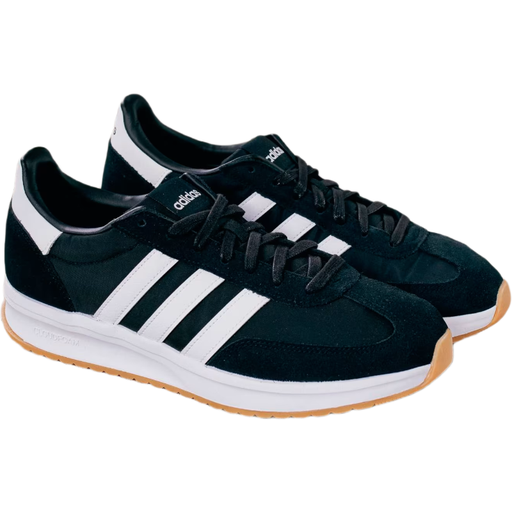
Why it suits this profile: A retro-inspired casual trainer for everyday wear, commuting and relaxed walks.
The product details describe this style as lightweight and flexible, but not as a specialist running shoe. That helps you make a realistic decision about how to use it.
Synthetic leather and textile, rubber outsole, breathable textile lining and a classic shape.
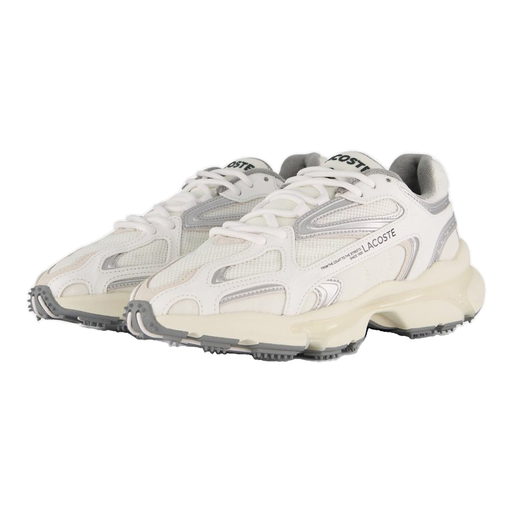
Why it suits this profile: For anyone looking for a polished everyday trainer with thoughtful material and comfort details.
The specifications list mesh, suede and synthetic overlays. This lets you weigh up the materials and care requirements in advance, rather than judging by appearance alone.
EVA midsole with TPU wrapping, OrthoLite insole, padded tongue and rubber outsole with an anti-slip tread, according to the product description.
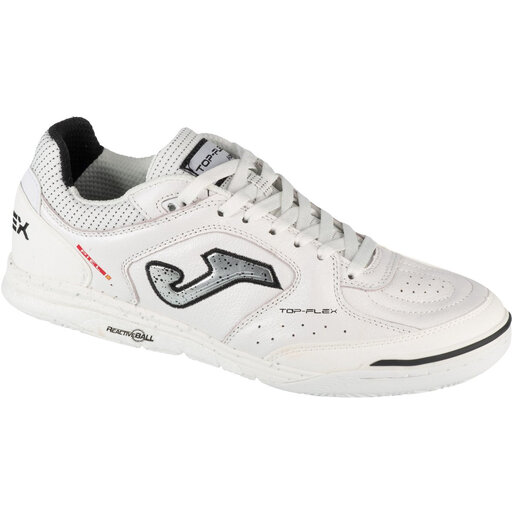
Why it suits this profile: For futsal and indoor football, where grip, flexibility and a sole suited to sports floors matter.
The product details explicitly state that it’s for indoor use and has a non-marking rubber sole. This makes it a clearer choice than a general sports trainer.
Flexible indoor construction, EVA insole, reinforced toe and lace fastening; the stated fit is regular.
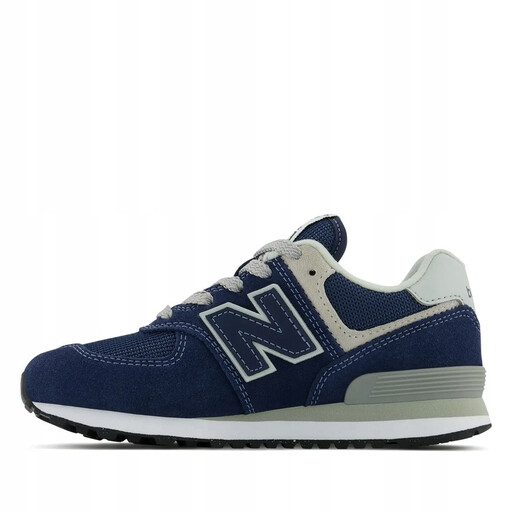
Why it suits this profile: A practical children’s trainer for school, play and everyday wear, with a fastening children can manage themselves.
The size is matched to the stated foot length, and the hook-and-loop fastening means you’re not choosing on appearance alone.
Suede, synthetic materials and mesh, a lightweight EVA midsole, rubber tread outsole and hook-and-loop fastening.
We’ve put together a complete, up-to-date list of products that meet these strict selection criteria and comply with the applicable European safety regulations.
Measure both feet at the end of the day, wearing the socks you normally use. Note the length of your longer foot and compare it with the style’s size guide. Also check whether the shoe has a regular, narrow or wide fit. If you’re unsure, the product measurements matter more than your usual EU size alone.
That depends on how you use them, the surface, your body weight, how well you care for them and the materials. Casual trainers worn every day will wear differently from football boots used on artificial grass each week. Check the outsole, seams and heel when you notice the grip or stability starting to diminish. Alternating between two pairs can help each pair last longer.
For everyday wear, look for casual trainers with a rubber outsole, a comfortable fit that doesn’t pinch and materials suited to the weather and the level of care you’re happy to give them. Styles such as the New Balance 574, Skechers trainers, Puma Speedcat, Adidas Run 70s and Vans Old Skool vary in material and shape. So compare more than just the brand: check the sizing, sole and stated intended use too.
