
Vandaag of morgen in huis

Kwaliteit gegarandeerd

Welkomstaanbiedingen ontgrendelen: GRATIS bezorging | Tot 80% korting | Gratis 30 dagen JoyPlus-proefperiode
Download de app
Buying shoes online seems simple: choose a brand, select your size and place your order. But a style that looks appealing can disappoint in practice. The sole may not offer enough grip, a trainer may come up narrower than expected, or a water-repellent style may be mistaken for a fully waterproof shoe.
Use this practical checklist to compare women’s shoes, men’s shoes, unisex shoes, trainers and sports shoes based on the features that really matter. Then discover some popular options for everyday wear, sport and outdoor activities.
A trendy style isn’t automatically suitable for long walks or running. A flat rubber sole may be comfortable for casual wear, but might not offer enough cushioning for intensive training. So start by thinking about how you’ll use them: for work, around town, walking, running or trail running.
An EU size isn’t exactly the same across every brand. Width, the shoe’s last and the lining can also affect the fit. Check the size chart and compare the stated foot length with your own measurements. Pay particular attention to specific sizes, such as size 36 shoes, size 38 shoes or size 42 shoes.
Measure your foot at the end of the day, wearing the socks you usually wear. Measure both feet and use the longer measurement. For walking shoes or trail running shoes, a little extra room around the toes can be helpful, while a casual trainer can often fit more snugly.
Terms such as “comfortable”, “breathable” and “waterproof” only tell you so much when the specifications behind them aren’t clear. A mesh upper may help with ventilation, according to the product description, but it’s not the same as a membrane construction. With GORE-TEX shoes, you should also consider the sole, fastening and care instructions.
Always check who is making the claim. We don’t present a statement about performance as established fact when it comes only from the brand or product description. According to Salomon’s product information, a GORE-TEX membrane is designed to offer water resistance and breathability; your conditions of use and how you care for the shoes still matter.
The most important specifications are:
A shoe that feels comfortable when you try it on can still cause pressure points after prolonged wear. With styles that have a lined interior, such as some women’s boots or Crocs clogs, the amount of available space can feel different from that of a lightly lined trainer.
For everyday wear, rubber soles and a suitable tread are often more important than a striking colour detail. Look out for the difference between:
The PELLIOT running shoe’s product description lists an EVA midsole and a ROCKYTEC outsole for cushioning and grip. On paper, that makes the style suitable for use on different surfaces, but your running style and terrain will determine whether it’s the right choice.
Leather, mesh, synthetic materials and CROSLITE all have different care requirements. Leather generally needs a suitable care product and shouldn’t be fully submerged. According to several product descriptions, you can clean mesh and synthetic panels with a soft brush or damp cloth. Machine washing is not recommended for various styles.
Also check the product’s origin, manufacturer details and warranty information. Several of the styles mentioned list a legal guarantee of at least two years under EU consumer law. Your exact rights may depend on the national legislation that applies.
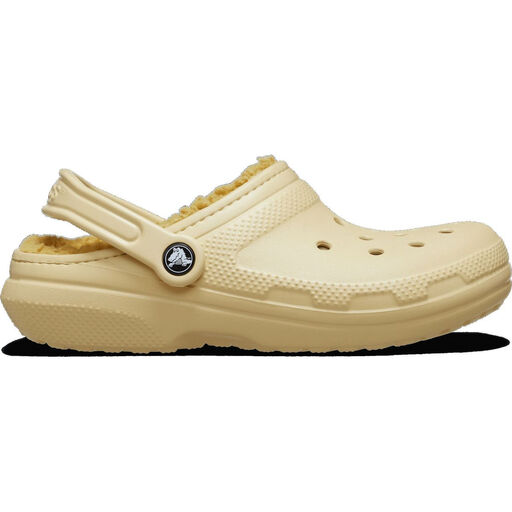
Why it suits this shopper: This unisex slip-on style is designed for everyday wear at home, on the go or in your free time. The product information lists size 42-43 and 100% CROSLITE.
The material and size details are clearly stated. The style isn’t presented as a running or walking shoe, making it easier to match it to the right purpose.
Lightweight material, a slip-on design and unisex sizing make them easy to wear every day.
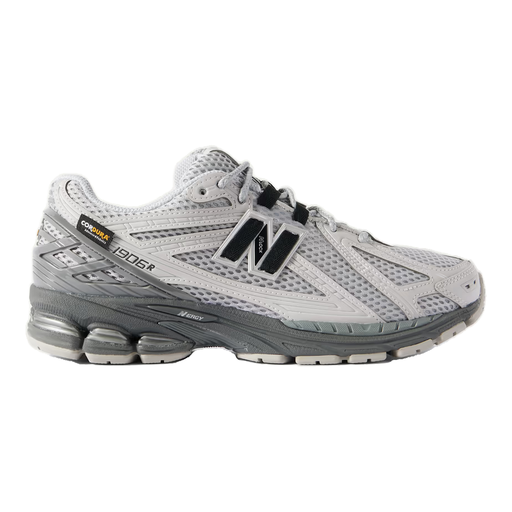
Why it suits this shopper: This trainer combines mesh and synthetic materials with an ABZORB midsole and rubber outsole. It’s a good fit for shoppers looking for one pair to wear with casual outfits, day to day and for light sporting activities.
The product page describes the materials, midsole, fastening and care instructions. That means you don’t have to rely solely on its retro look or a general claim about comfort.
ABZORB cushioning according to the product description, mesh for ventilation and a rubber sole with grip.
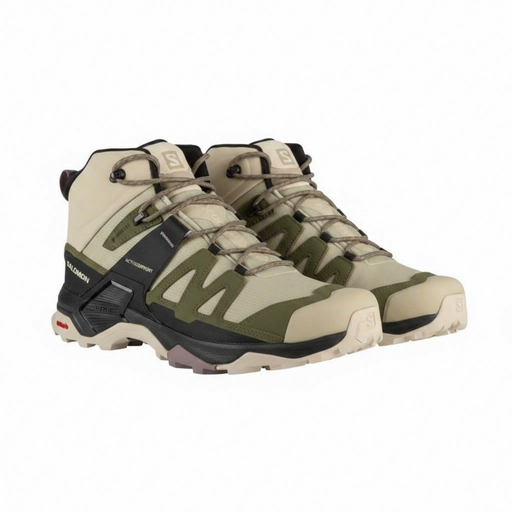
Why it suits this shopper: According to the product description, this mid-cut walking shoe is designed for walks and uneven terrain. Its listed GORE-TEX construction, Contagrip MA sole and EnergyCell midsole make it well suited to outdoor use.
This isn’t an ordinary casual trainer: the sole, higher cut and stated membrane are all suited to walking. Be sure to check the fit and care instructions.
Mid-cut design, Contagrip MA rubber and a GORE-TEX membrane according to the listed product details.
We’ve put together a complete, up-to-date list of products that meet these strict selection criteria and the applicable European safety regulations.
If style is your main priority, take a look at Nike Dunk Low, Vans Knu Skool, Vans Old Skool or Puma styles. For colder days, Skechers On-The-GO boots and women’s boots are practical options to explore. If you’re looking for a leather style, take a look at the Geox Women D Bleyze E Collection. For running and trail running, the PELLIOT shoe, Nike Pegasus Trail 3 and Salomon Speedcross styles are more suitable than a standard lifestyle trainer.
Use filters for brand, size, colour, material and intended use. This will help you find shoes by brand more quickly and avoid choosing a style based on the photo alone.
Use the size chart for the specific style and compare it with your measured foot length. Check the stated fit, too. A size 38 from one brand may fit differently from a size 38 from another. If you’re between sizes, the shoe’s construction and intended use can help you decide.
According to the product descriptions for the Salomon styles mentioned, a GORE-TEX membrane helps provide water resistance and breathability. That doesn’t mean you should assume every shoe is waterproof in all conditions. Seams, the tongue, fastening, wear and care can all affect how well the shoes keep water out.
Their lifespan depends on the distance you walk, the surface, your body weight, how often you wear them, the materials and how you care for them. Let your shoes dry thoroughly after use, keep them away from direct heat and follow the washing or care advice on the label. Replace a pair when the sole becomes visibly smooth, the cushioning noticeably deteriorates or the fit no longer feels stable.
