
Vandaag of morgen in huis

Kwaliteit gegarandeerd

Welkomstaanbiedingen ontgrendelen: GRATIS bezorging | Tot 80% korting | Gratis 30 dagen JoyPlus-proefperiode
Download de app
Buying shoes online seems simple: choose a style, select your size and check out. Yet many disappointing purchases are caused by an incorrect fit, unclear material information or a sole that is unsuitable for the intended use. Casual trainers for commuting have different requirements from running shoes for tarmac, walking shoes for off-road paths or children’s shoes for school and outdoor play.
Use this practical checklist to compare shoes based on features you can verify. That way, you can look beyond colour, brand name and marketing terms.
A size 42 can fit differently depending on the brand and model. Shoe width, the shape of the toe box and the thickness of the lining also affect the fit. A standard fit is not automatically suitable for a wide foot. Always check the size chart, sizing advice and available width options.
Children’s shoes require extra attention. Children grow quickly, but shoes that are too large can feel unstable when walking. A model such as the Skechers Meteor-Lights is described in the product information as having a standard fit. That is useful information, but you should still check the child’s foot length and the fit of the specific model.
A soft insole can feel pleasant for everyday use, but that does not mean the shoe is suitable for running or long walks. Pay attention to the difference between casual shoes, comfortable shoes, running shoes and walking shoes.
For sports use, grip, flexibility, cushioning and ventilation are more important than appearance alone. A flat canvas trainer may work well with a casual outfit, but it may offer less support and protection on long or uneven routes.
Suede, canvas, synthetic materials and mesh each require different care. Shoes that the product information says are not machine washable may be damaged if you wash them anyway. Also check whether a model contains components of animal origin. For example, the Vans Hylane listing states that non-textile components of animal origin may be present.
Do not look only at the size. Also check:
When buying trainers online, even a half-size difference can affect the space around your toes. Follow the model’s sizing advice and compare it with a pair that already fits you well.
A rubber outsole is hard-wearing and widely used for trainers, children’s shoes and walking shoes. However, the material alone does not tell you everything. Look at the tread as well. A sole with a clearly defined tread pattern may offer more grip on wet pavements than an almost flat sole.
For running shoes, it is useful to check the type of terrain for which the model is described. According to the product description, the PELLIOT models feature an EVA midsole and a ROCKYTEC rubber outsole. The manufacturer describes this construction for use on both paved and unpaved surfaces, among others. Treat this as the brand’s product information and match your choice to your own running routes.
Mesh and textile are often lightweight and breathable. Canvas has a classic look, while suede and synthetic materials require a different level of care. For colder days, a lined shoe may be more practical. According to the product information, the Skechers On-The-GO Glacial Ultra has a faux-fur lining, a rubber sole and a textile insole.
Also look out for conflicting information. A product may be described as “breathable”, while the exact lining or construction provides less ventilation than expected. Use the material composition as a point of reference rather than relying only on the commercial product name.
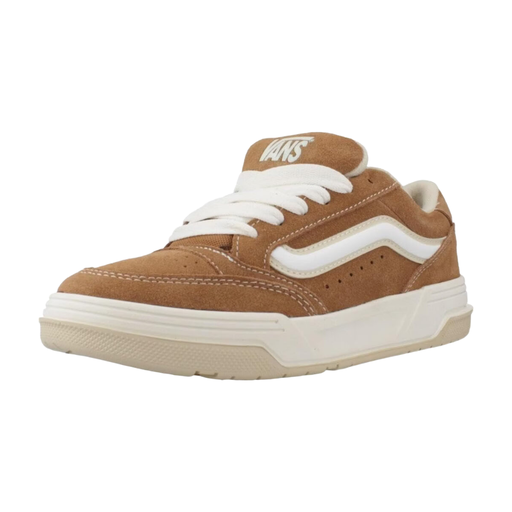
Why it suits this profile: A low-cut style with laces and a standard fit for everyday use, work or informal occasions.
The product information lists the fit, lace fastening, materials and sole tread, so you do not have to rely on appearance alone.
Suede and synthetic upper, textile lining, rubber outsole and a padded insole according to the product description.
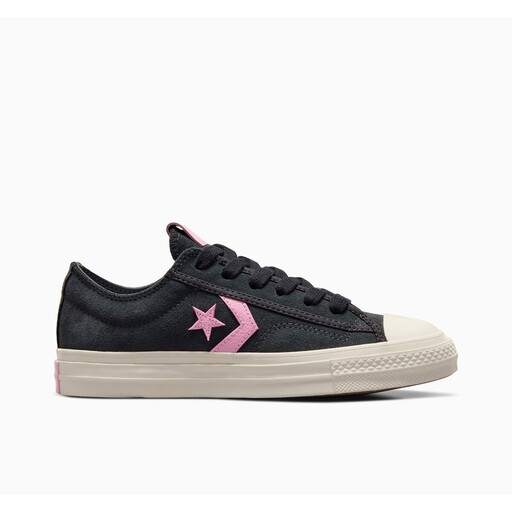
Why it suits this profile: Ideal if you are looking for a recognisable low-cut trainer that works with a range of outfits.
The description mentions canvas, a textile lining and a vulcanised rubber outsole. This makes the materials and construction easier to assess.
Lightweight canvas upper, low-cut design, rubber sole and a cushioned insole according to the product description.
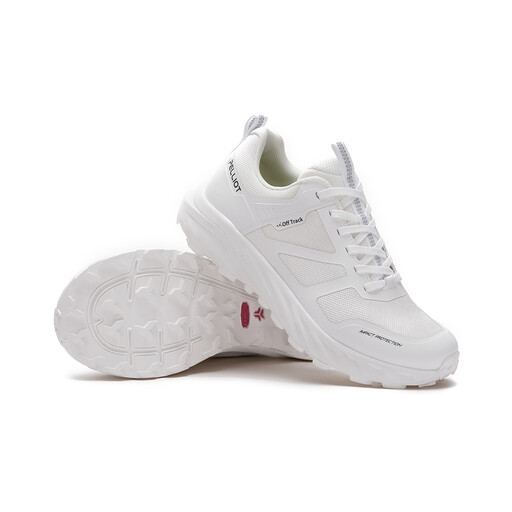
Why it suits this profile: Suitable for running and routes that alternate between tarmac and off-road terrain, provided the fit works for your foot.
The product description specifies the intended terrain, foot length for each size and both standard and narrow versions. This helps prevent choosing the wrong size or width.
Sandwich mesh and woven upper, EVA midsole and ROCKYTEC rubber outsole according to the product information.
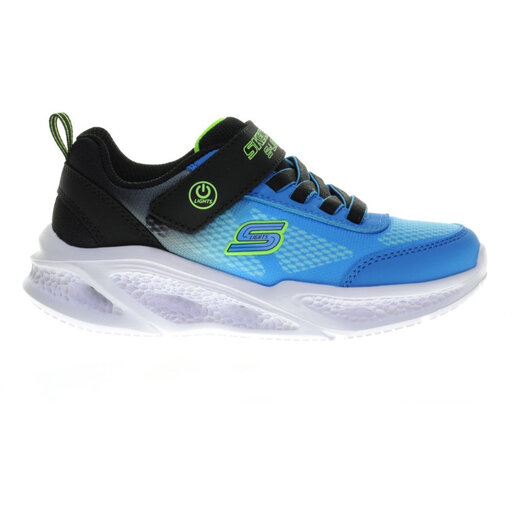
Why it suits this profile: A high-top children’s trainer with hook-and-loop fastening for school, play and everyday use.
The size, standard fit, G width and fastening are specified. It also states that the shoes must not be machine washed because of the built-in lights.
Synthetic upper, rubber sole, hook-and-loop fastening and a non-removable insole according to the product details.
We have put together a complete, up-to-date list of products that fully meet these strict selection criteria and the applicable European safety regulations.
Use this quick checklist before placing your order:
The same approach applies to women’s and men’s shoes. The difference is not only in the label, but mainly in the available sizes, widths, last and intended use. When comparing Vans trainers, Converse trainers or Skechers shoes, it is best to assess the models side by side based on fit and materials rather than brand alone.
Measure your foot length in centimetres while standing upright. Then compare the measurement with the size chart for the specific product. Do not automatically choose the size you wear in another brand. Also check whether the model has a standard, narrow or generous fit, and take account of the socks you plan to wear.
Lifespan depends on the material, frequency of use, body weight, surface and care. Everyday trainers wear out more quickly when you also use them for sport or long walks. Check the sole, seams and lining regularly. Alternating between two pairs can reduce drying time and wear.
The costs are usually limited to a soft brush, a damp cloth and a mild cleaning product. Suede may require additional care. Only wash shoes in a machine when the product information expressly permits it. Allow wet shoes to air-dry and avoid direct heat, as this can warp or dry out the material.
