
Vandaag of morgen in huis

Kwaliteit gegarandeerd

Welkomstaanbiedingen ontgrendelen: GRATIS bezorging | Tot 80% korting | Gratis 30 dagen JoyPlus-proefperiode
Download de app
Buying shoes online seems straightforward until you’re faced with women’s trainers, men’s trainers, kids’ shoes, running shoes and walking shoes. A low price or a famous brand name doesn’t tell you everything about fit, grip and comfort. With the right checks, you’ll avoid ending up with a pair that spends most of its time in the cupboard after a few weeks.
A Nike Dunk Low, Converse Star Player or Skechers trainer might match your outfit, but a stylish shoe isn’t automatically suitable for long walks or sport. So start by looking at the sole, the upper material, the fastening and the intended activity.
An EU size isn’t identical across every brand or model. The width at the forefoot, the height over the instep and the room in the toe box also determine whether a shoe feels comfortable. Always check the size chart and, ideally, measure both feet at the end of the day.
Words like “waterproof”, “maximum cushioning” or “professional” need to be checked in the product information. A shoe with water-repellent nubuck isn’t the same as a model with a waterproof membrane. And a trail sole with aggressive lugs won’t automatically feel comfortable on tarmac.
A brand’s own research may suggest certain materials or technologies support certain performance claims. In practice, your experience also depends on the surface, how long you use them, your foot shape and how you care for the shoes. Base your choice on verifiable features.
Look for the stated fit, width and foot length in millimetres or centimetres. Some shoes are listed as a regular fit; other models have a narrower or more close-fitting construction.
Practical points to check:
With children’s shoes, a simple fastening is often important. The New Balance PC574EVN, for example, has a Velcro strap and a rubber outsole with tread. That can be practical for school and daily use, but regularly check that your child still has enough room in the shoe.
The midsole affects how the shoe feels when walking, running or jumping. EVA foam is often used for a lightweight build and cushioning. According to the product information, the adidas Supernova Ease uses Dreamstrike foam throughout the midsole. The PELLIOT models list an elastic EVA midsole.
Cushioning isn’t a fixed quality guarantee. A soft sole won’t feel right for everyone and can feel less stable during quick lateral movements. For everyday wear, a balance between comfort and stability is usually more practical than simply choosing the thickest sole.
Match the outsole to the surface:
Note the difference between water-repellent and waterproof. The Nike Manoa 454350 is described as water-repellent nubuck with a robust rubber sole. That makes it an interesting option for winter walks, but the product description doesn’t indicate the same membrane construction as a GTX model.
For everyday wear, low-cut trainers such as adidas Barreda Decode, Converse Star Player and Nike Dunk Low are sensible categories to compare. They differ in upper materials: canvas on the Converse Star Player 76 OX, and leather or textile on the Nike Dunk Low models. For sport, fit, sole and support matter more than the silhouette alone.
If you’re after running shoes, look at adidas running shoes, Skechers trainers with sporty features or PELLIOT trail running shoes. For basketball, basketball shoes with a close fit, grip and support for lateral moves are more suitable than general sports shoes. If you often head out on woodland paths, trail running shoes or walking shoes with tread will serve you better than a flat lifestyle trainer.
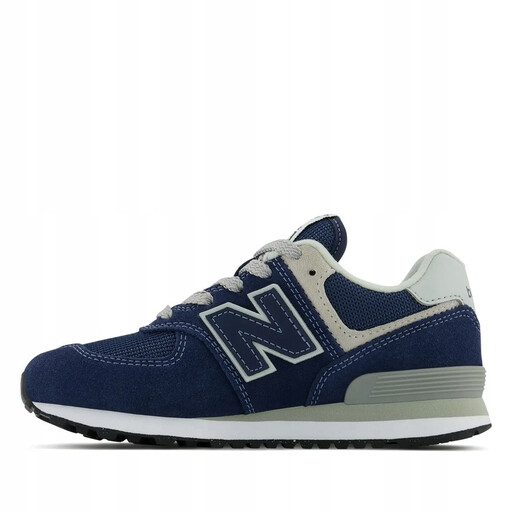
Why it fits this profile: These kids’ shoes are geared towards school, play and everyday use. The Velcro fastening makes them easy to get on and off.
The product information clearly lists the materials, midsole, outsole and fastening. That means you don’t have to choose purely on colour or brand name.
Suede, synthetic material and mesh; lightweight EVA midsole; rubber sole with tread; Velcro fastening.
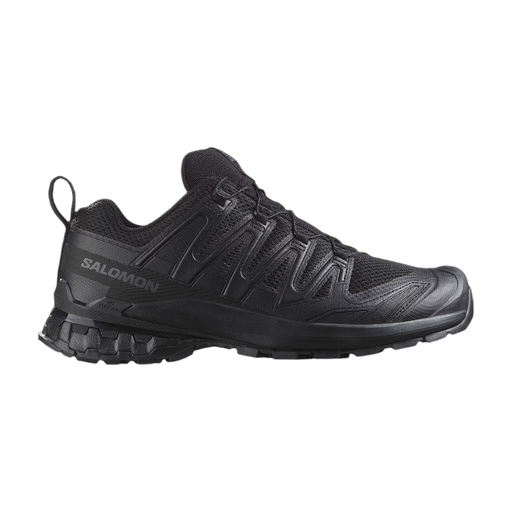
Why it fits this profile: For walkers and trail runners who regularly tackle wet or technical trails, this model offers features to suit those conditions.
The description specifies the GORE-TEX membrane, the Contagrip sole and the 3D Advanced Chassis. You can therefore assess water protection and stability features separately.
GORE-TEX membrane; Quicklace system; reinforced toe and heel; Contagrip outsole; suitable for trail running and walking.
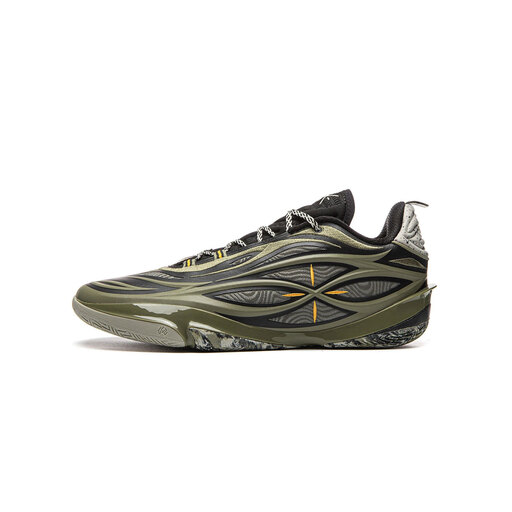
Why it fits this profile: This model is designed for basketball and intensive movement on indoor or outdoor courts, where grip and a close fit are essential.
The product details list specific materials, a carbon plate and different rubber compounds in the sole. That gives you more to go on than a generic claim about sports shoes.
GCU rubber at the forefoot; TUFF RB rubber at the rear; woven jacquard mesh; full-length carbon plate; close, supportive fit.
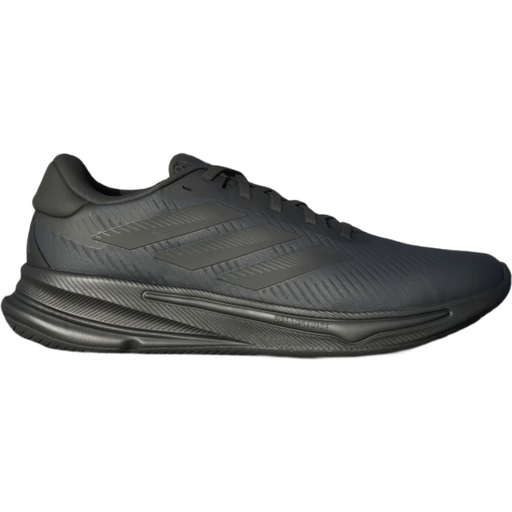
Why it fits this profile: According to the product information, these running shoes are designed for short to mid-distance runs and daily training loops.
The use case, fit, mesh upper, midsole and rubber lugs are described separately. That lets you decide whether the model suits your running routine.
Regular fit; breathable mesh; Dreamstrike midsole; rubber lugs; lace-up closure for an adjustable fit.
We’ve compiled a complete, up-to-date list of products that fully meet these strict selection criteria and comply with current European safety regulations.
Longevity depends on how often you walk or run, body weight, surface, storage and care. Let shoes air after use and avoid prolonged heat when drying. Clean canvas, mesh, leather and nubuck according to the product instructions. A running shoe that’s visibly wearing unevenly or whose sole has lost its grip may be due for replacement, even if the upper still looks tidy.
Also check the information about warranty and returns when buying. Several product listings mention a statutory warranty of at least two years under EU consumer rules. That’s separate from normal wear and tear through use.
Measure both feet on a sheet of paper, ideally wearing the socks you usually use. Compare the longest foot with the size chart for your chosen model. Also check the stated fit and width. “Regular” doesn’t mean every model will feel the same on every foot.
There isn’t a fixed number of months. Look at the condition of the midsole, the tread and how the sole is wearing. Frequent running on tarmac stresses a shoe differently to mixed training on forest ground. Store running shoes in a dry place and avoid using them as your everyday shoes by default to limit wear.
A waterproof or water-repellent model can help in the rain, but ventilation, temperature and care still matter. A GTX model like the Salomon XA Pro 3D v9 GTX is constructed differently to a canvas trainer or a water-repellent leather walking shoe. Choose based on the conditions you’ll actually use the shoes in.
