
Vandaag of morgen in huis

Kwaliteit gegarandeerd

Welkomstaanbiedingen ontgrendelen: GRATIS bezorging | Tot 80% korting | Gratis 30 dagen JoyPlus-proefperiode
Download de app
Buying shoes online may seem straightforward, but an appealing photo doesn’t always tell you everything. A sole can look sturdy yet offer little grip. A style may be described as comfortable, but its narrow fit might not suit your feet. Sports shoes, trainers and walking shoes are also sometimes promoted for several activities, even though their construction is mainly designed for one particular use.
So, look out for these common pitfalls:
If possible, measure your feet at the end of the day, when they tend to take up a little more space. Then check your foot length in millimetres and compare it with the size chart for that specific style. With running and trail-running shoes, a little extra room around the toes can feel more comfortable, especially if you wear thicker socks.
Check the width, too. Some styles are available in a standard or narrow fit. A shoe that’s too tight won’t become more comfortable just because you wear it in for longer. For children, a practical fastening is important. Hook-and-loop fastenings, as found on some children’s trainers, make it easier for them to put their shoes on and take them off by themselves.
The upper affects how the shoe feels and how it performs in everyday use.
Look out for conflicting product information. Online listings sometimes include general descriptions that don’t apply to every colour or version. Always check the product specifications for the size and version you’ve chosen.
The sole should suit the surface you’ll be walking or running on. For city wear, a rubber outsole with a fairly flexible tread is often enough. For running, key points to consider include a low weight and a cushioned midsole. For unpaved paths, focus on the tread, stability and durability.
The PELLIOT Running Shoes range is one example. According to the product description, these styles use an EVA midsole and a ROCKYTEC rubber outsole. These are product specifications you can check, but they don’t guarantee that the shoe will feel the same to every runner. For technical trails, a style with a pronounced tread may be a better choice than ordinary trainers.
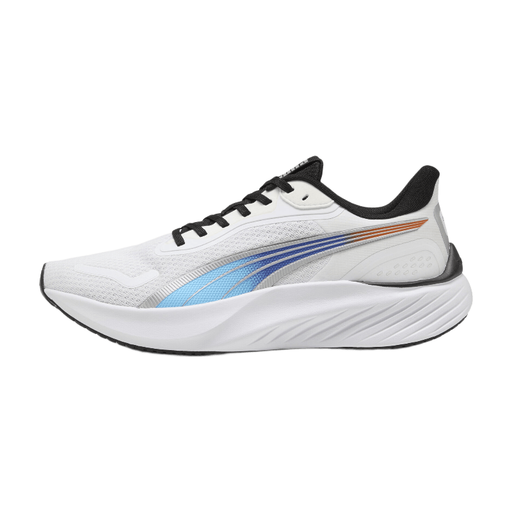
Why it suits this profile: This style combines a casual look with features for light sports and everyday wear. The product information lists a lightweight foam construction and a rubber sole.
The description specifies the materials, lace-up fastening and rubber PROTREAD outsole, rather than relying solely on general claims about comfort.
Lightweight foam, a rubber sole and an upper made from textile and synthetic materials.

Why it suits this profile: A sensible choice if you’re looking for walking or trail shoes for changeable weather and unpaved routes.
The product details list the GORE-TEX membrane, 3D Advanced Chassis construction and Contagrip outsole separately. This helps you match the features to the terrain you have in mind.
Water-resistant membrane according to the product description, Quicklace fastening and a sole designed to grip on wet and dry surfaces.

Why it suits this profile: This style is designed for running and routes that take you from tarmac onto unpaved ground. The size chart lists foot lengths for each European size.
The product information specifies a sandwich mesh upper, EVA midsole, ROCKYTEC sole and a standard or narrow fit. This makes it easier to compare styles.
Lightweight upper, EVA cushioning and a rubber outsole with tread, according to the product specifications provided.
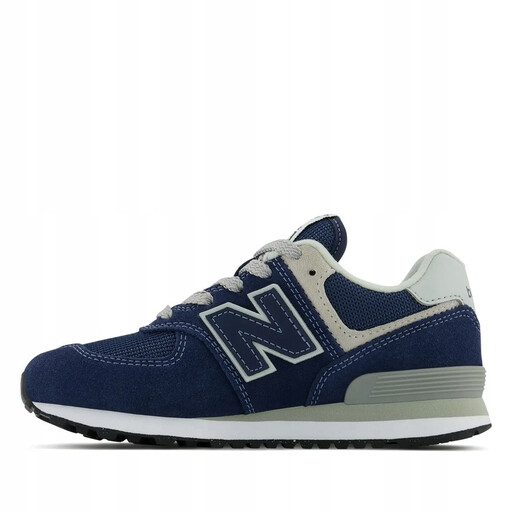
Why it suits this profile: These children’s trainers are designed for school, play and everyday wear. The hook-and-loop fastening is practical for young children.
The description lists a suede, synthetic material and mesh upper, as well as a rubber sole with tread. That tells you more than just the style name.
Hook-and-loop fastening, EVA midsole and rubber outsole with tread, according to the product information.
We’ve put together a complete, up-to-date list of products that meet these strict selection criteria and comply with the applicable European safety regulations.
Measure both feet and use the longer measurement. Compare it with the size chart for the style, ideally in millimetres. Check the stated width and fit, too. Nike Dunk Low, New Balance 574, Converse or Vans Old Skool trainers may fit differently from running or walking shoes.
For everyday wear, it’s important to choose comfortable shoes with a suitable sole, enough room for your toes and a fastening that works for you. Trainers, including women’s and men’s styles and casual designs, are practical for the city and workplace. For walking, running or outdoor activities, it’s better to choose a style with a sole, cushioning and upper suited to that activity.
How long they last depends on how often you wear them, your body weight, the surface, the materials and how well you care for them. Check the soles, seams and heels regularly for signs of wear. Leave wet shoes to air-dry naturally and follow the washing and care instructions. If a fault isn’t caused by normal use or wear and tear, the statutory guarantee may apply; many product pages state a minimum statutory guarantee of two years under EU consumer rules.
