
Vandaag of morgen in huis

Kwaliteit gegarandeerd

Welkomstaanbiedingen ontgrendelen: GRATIS bezorging | Tot 80% korting | Gratis 30 dagen JoyPlus-proefperiode
Download de app
Buying shoes online may seem simple, but a great photo and a low price don’t tell the whole story. The wrong fit, a sole without the right grip or a material that doesn’t suit how you’ll use them can leave you with a pair you hardly ever wear.
That applies to online trainers, running shoes, trail running shoes, walking boots and sports shoes. Men’s, women’s and children’s shoes also differ in comfort, fastening and care. Use these practical checks to compare your options more effectively and avoid a costly mistake.
The word “comfort” doesn’t tell you much without more detail. Check the midsole, the footbed and the construction of the outsole. An EVA or IMEVA midsole may feel lightweight, while a Memory Foam footbed may simply provide extra cushioning inside the shoe. That doesn’t automatically make a style suitable for running or long walks.
A rubber sole generally offers more grip than a smooth lifestyle sole, but the tread determines where the shoe is suitable. A flatter pattern is often fine for city wear. On gravel, mud or wet paths, deeper grooves, a sturdy tread and a rubber compound matter more. Check whether the product description mentions grip on wet and dry surfaces, rather than simply promising that the shoes are “non-slip”.
An EU size isn’t identical across every brand. The shoe’s last, width, toe room and lining thickness all affect the fit. Measure both feet at the end of the day and compare their length with the size guide. Children’s shoes need extra attention: an easy-to-adjust hook-and-loop fastening may be more practical than laces, but the shoe shouldn’t be loose around the foot.
First, decide where you’ll wear the shoes:
A comfortable pair of trainers may be ideal for commuting, but not for a long trail. Conversely, a trail shoe may feel unnecessarily stiff or bulky in the city.
An upper made from mesh or textile generally lets more air through than one made entirely from synthetic material or leather. This can feel more comfortable during exercise and on warmer days. Leather and synthetic leather are often easier to wipe clean, but need different care.
Always check the material details. For example, the PUMA Speedcat OG has a leather upper, a textile lining and a rubber sole. The Vans Old Skool has a textile upper and lining, with a rubber sole. This information helps you make a more realistic judgement about care, breathability and when to wear them.
Laces give you an adjustable fit, while hook-and-loop fastenings can be handy for children or anyone who wants to put their shoes on quickly. Also check the stated width, such as D or G, and whether the listed size has a standard fit.
If you’re unsure, the insole length in centimetres is often a more useful point of comparison than the EU size alone. Allow for socks and a little extra room in children’s shoes, but don’t choose a size so large that it fails to hold the foot securely.
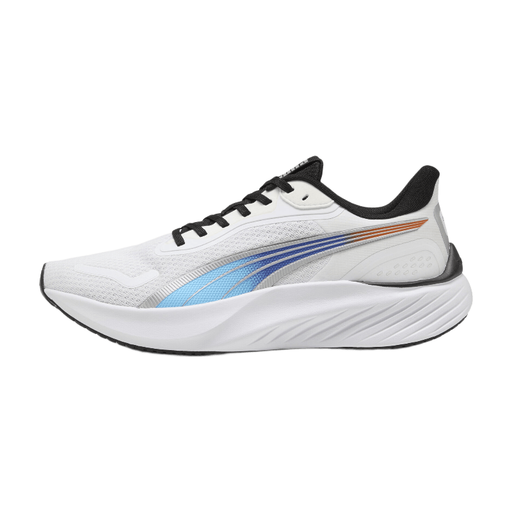
Why it suits this profile: This style combines a lightweight foam construction with a lace-up fastening and a rubber PROTREAD outsole. It’s a practical choice for everyday wear, light training and a sporty look.
The product information specifies the materials, foam construction and rubber sole. So you don’t have to rely on the general promise of “comfort” alone.
Lightweight foam; rubber PROTREAD sole; upper made with at least 30% recycled materials, according to the product information.
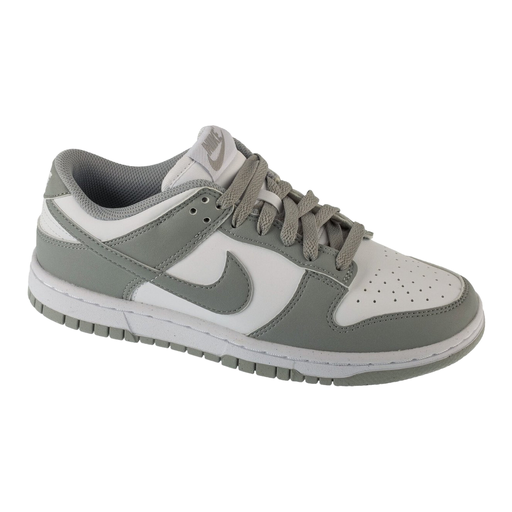
Why it suits this profile: The leather and textile finish, padded collar and rubber sole make these a good choice for casual everyday wear, where appearance and a secure fit both matter.
The product page lists the upper material, lining and sole separately. This helps you consider style alongside care requirements and comfort.
Leather and textile upper; padded collar; rubber sole with pivot point, according to the product description.
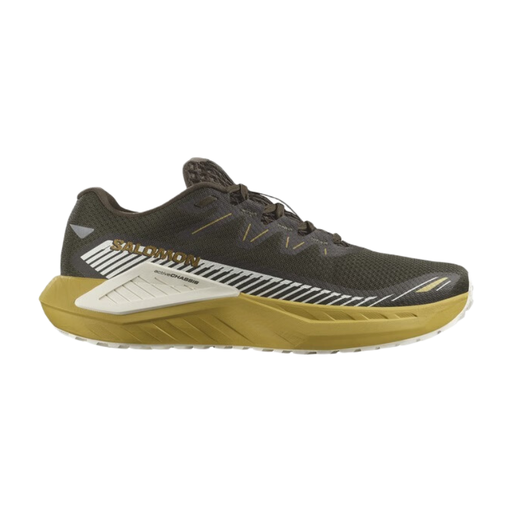
Why it suits this profile: According to the product description, this style is designed for running and outdoor activities on gravel and mixed terrain. The combination of Active Chassis, Energy Foam and All Terrain Contagrip is well suited to those looking for extra stability and a more pronounced tread.
The intended use and sole technology are clearly described. This makes it a less likely choice to get wrong on unpaved paths than a casual trainer with a flat sole.
Active Chassis; Energy Foam midsole; All Terrain Contagrip rubber outsole; breathable mesh, according to the product information.
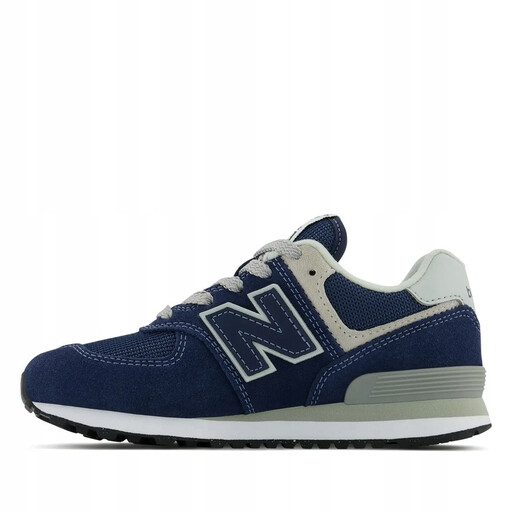
Why it suits this profile: The hook-and-loop fastening, EVA midsole and treaded rubber sole are practical for school, play and everyday wear.
The fastening is easy to use and the sole construction is clearly specified. Always check your child’s foot length and the fit before ordering.
Suede, synthetic material and mesh; lightweight EVA midsole; treaded rubber outsole.
We’ve put together a complete, up-to-date list of products that meet these strict selection criteria and the applicable European safety regulations.
Measure both feet on a sheet of paper and note the longer measurement. Compare this length with the size guide for the specific style. Also check the stated width and fit. An EU size alone doesn’t always give you enough information.
That depends on how often you wear them, the surfaces you use them on, your body weight, the materials and how well you care for them. Check the soles for smooth patches, cracks and noticeably reduced cushioning. For running shoes, the number of hours you run in them and the way your foot lands also matter. A shoe worn only for everyday use may wear differently from one used for training several times a week.
You can, but whether they’re practical depends on the design. A trail shoe with a deep tread may feel less smooth on tarmac and wear out more quickly. A lightweight running shoe may be suitable for walking and commuting, provided the fit and grip suit your route. Always check the product description and choose based on how you’ll use the shoes, not just the brand name or appearance.
