
Vandaag of morgen in huis

Kwaliteit gegarandeerd

Welkomstaanbiedingen ontgrendelen: GRATIS bezorging | Tot 80% korting | Gratis 30 dagen JoyPlus-proefperiode
Download de app
Buying shoes online is convenient, but a great product photo tells you little about fit, materials or intended use. If you focus only on the brand, discount or appearance, you could end up with shoes that pinch, wear out quickly or aren’t suitable for what you need them for.
Use these practical checks to compare women’s, men’s and children’s shoes based on verifiable product information.
A size 43 won’t fit the same way in every brand or style. Width, toe shape and room around the toes all matter too. Some product pages describe a standard fit, while other styles are specifically designed to fit more narrowly or generously.
Measure your foot from your heel to your longest toe, then compare the measurement with the size chart. For children’s shoes, it’s important to measure regularly because children’s feet grow quickly. Also check whether the size shown is an EU, UK or US size.
Words such as ‘cushioned’, ‘breathable’ or ‘comfortable’ are only useful when you check the specifications behind them. For example, look at:
According to Pelliot’s own product information, some styles feature an EVA midsole and a ROCKYTEC rubber outsole. These are verifiable material specifications; they don’t guarantee that every wearer will have the same experience.
Not every trainer can go in the washing machine. Washing shoes with synthetic components, leather details or built-in lights may cause damage. Always check the care label.
For the A08639C CTAS HI, Converse recommends cleaning with a damp cloth and mild soapy water, then leaving the shoes to dry at room temperature. According to the product information, Skechers light-up shoes shouldn’t be machine-washed, as this could damage the lights and battery components.
As well as the size, check whether the shoe is described as standard fit, slim fit or a roomier style. Pelliot lists its running shoes in standard and slim fits. This can help you choose a style for narrower or standard-width feet.
According to the product information, the Crocs Crush Sandal has a closer fit around the toes. If you wear socks or would like extra room, the size information suggests considering a size up. Measure your foot length and check the measurements in centimetres in the size chart.
The material can affect how a shoe feels and what it’s suited to:
A running shoe for road use won’t necessarily have the same tread as a style designed for mud, loose ground or walking trails. So choose walking shoes and running shoes based on the surfaces you’ll use them on.
Laces let you adjust the fit. Hook-and-loop fastenings are practical for children and anyone who wants to put their shoes on quickly. Slip-on styles, such as various Crocs clogs, are handy at home, in the garden, at the beach or for short everyday outings.
Look out for details such as a heel strap, pull tab and removable insole too. These features can make shoes easier to use, but don’t in themselves indicate any medical or orthopaedic benefits.
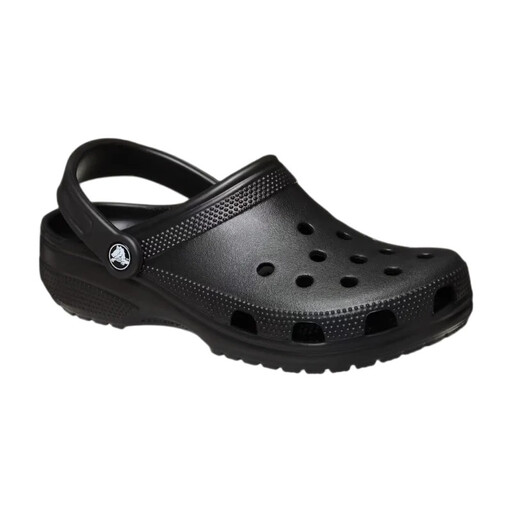
Why it suits this profile: A simple slip-on style for everyday wear, the garden, the beach or short trips. The product information lists several sizes and a size chart based on foot length.
The size recommendation is based on foot length. Check your measurement rather than relying only on your usual shoe size.
Made from 100% Croslite according to the product information, with a pivoting heel strap. Clean with water and mild soap.
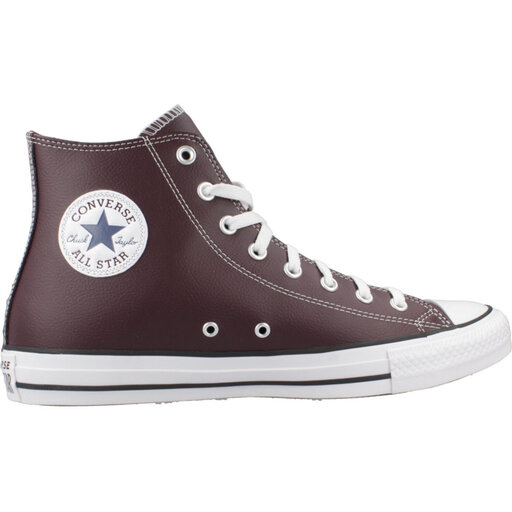
Why it suits this profile: A high-top Converse trainer with a leather upper for anyone looking for a distinctive casual style to wear with jeans or shorts.
The materials and rubber toe cap and sole details are clearly listed, so you don’t have to rely on lifestyle photos alone.
Leather upper, vulcanised rubber sole and high-top design. Clean with a damp cloth; do not machine-wash.

Why it suits this profile: Designed for running on a variety of surfaces, from city pavements to trails. The product page lists standard and slim fits.
The sole type and midsole are described in specific terms. Check whether you’ll mainly use them on tarmac, woodland paths or wet trails.
Mesh and woven textile, an EVA midsole and a ROCKYTEC rubber outsole, according to the product specifications.
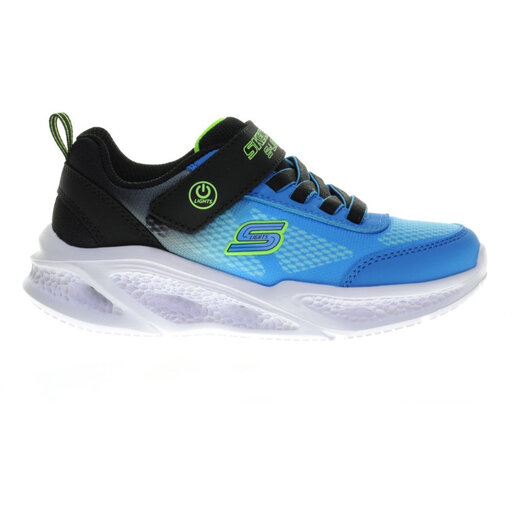
Why it suits this profile: A children’s trainer with a hook-and-loop fastening, standard fit and rubber sole. This makes it a practical choice for school, play and everyday wear.
The product page lists the fit and size 33 separately. Measure your child’s foot rather than choosing a size based on age alone.
Synthetic upper, rubber sole, hook-and-loop fastening and standard fit, according to the product specifications.
We’ve put together a full, up-to-date list of products that meet these strict selection criteria and the applicable European safety regulations.
Place your foot on a sheet of paper, mark your heel and longest toe, then measure the distance in centimetres. Do this for both feet and use the larger measurement. Then compare it with the size chart for the specific style. Also consider the width, the socks you’ll wear and whether children’s shoes need extra room.
Their lifespan depends on the materials, distance walked, surface, body weight, care and how often you wear them. Casual trainers, walking shoes and running shoes are put under different levels of strain. Replace your shoes if the sole is visibly wearing unevenly, the upper is torn or they no longer feel stable.
They can be, as long as the specifications suit how you’ll use them. Check the sole, fastening, material and size rather than looking at the price alone. For everyday walking, trainers with suitable cushioning and a flexible sole can be a practical choice; for running or rough trails, specialist sports shoes or trail styles are generally a better fit.
