
Vandaag of morgen in huis

Kwaliteit gegarandeerd

Welkomstaanbiedingen ontgrendelen: GRATIS bezorging | Tot 80% korting | Gratis 30 dagen JoyPlus-proefperiode
Download de app
Buying shoes online may seem straightforward, but an appealing photo and a familiar brand name don’t tell you everything. A style may look comfortable, while the sizing runs differently, the sole isn’t suited to how you’ll use it or the material is difficult to care for.
Use this practical checklist to compare men’s shoes, women’s shoes, children’s shoes, trainers and sports shoes by features you can actually check in advance.
An EU size isn’t identical across every brand or style. A shoe may fit true to size, come up large or feel narrower than expected. Some styles are also listed only in US or UK sizes. Always check the size guide and, where available, the foot length in centimetres.
Pay attention to the width, too. A standard-width shoe may fit differently from a wider version. It’s especially important to check the fit of children’s shoes, as shoes that are too big may feel less stable, while shoes that are too small can quickly become uncomfortable.
Terms such as ‘comfortable’, ‘durable’ and ‘all-terrain’ are only useful when you can match them to specific details. For example, check:
For example, according to adidas’ own information, some styles have a textile upper, rubber outsole and a specific midsole. These are product details you can check. They don’t guarantee that the shoe will feel the same on everyone.
A pair of everyday trainers isn’t automatically suitable for running. For walking, travelling and cycling in the rain, grip, protection and ease of care matter more than appearance alone. For running, you’ll want to consider weight, breathability, cushioning and the surfaces the style is designed for.
Measure both feet at the end of the day, wearing the socks you normally use. Compare your longer foot with the product’s size guide. Bear in mind the shape of the toe box and the width of the shoe.
Sizing advice varies across the selected styles:
Take this advice seriously, but always check the current product page.
Textile and mesh generally allow more air to circulate than synthetic leather, but they aren’t automatically waterproof. A rubber sole can offer grip, but the tread and depth of the grooves also affect how suitable the shoe is for wet or loose surfaces.
Breathable comfortable shoes or trainers can be practical for everyday wear. For a walking holiday, waterproof walking boots with a protective toe and deeper tread make more sense. If a shoe is described as waterproof, check whether it uses a membrane or another construction. Don’t treat a brand’s marketing claim as a universal guarantee in all weather conditions.
Laces usually offer more scope for adjustment than a slip-on design. Hook-and-loop fastenings can be handy for children’s shoes. A treaded sole can provide more grip on uneven ground, while a flat rubber sole is better suited to casual wear.
Check the cleaning instructions, too. According to the product information, several adidas styles in this selection must not be machine-washed and should be cleaned with a damp cloth. Other styles are listed as machine-washable. Incorrect care can damage the material, glue or shape.
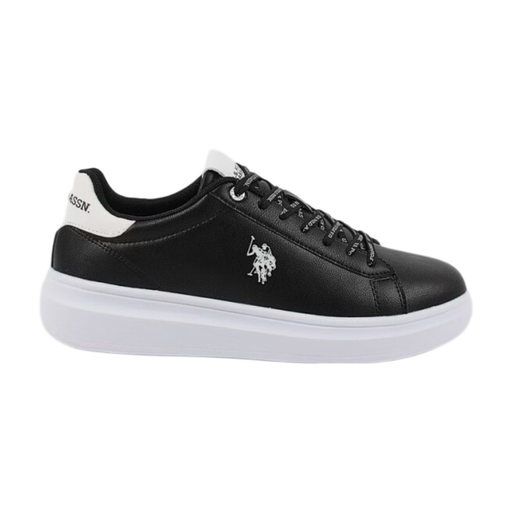
Why it suits this profile: These black casual trainers have a standard width, lace-up fastening and a lightly padded insole. They’re a good choice for everyday wear, work and casual outfits.
The product information specifies the shoe width, rubber sole, synthetic leather and mesh materials, and lace-up fastening. So you don’t have to rely on the photo or the word ‘comfort’ alone.
Closed toe, rubber sole, black colour and adjustable lace-up fastening.
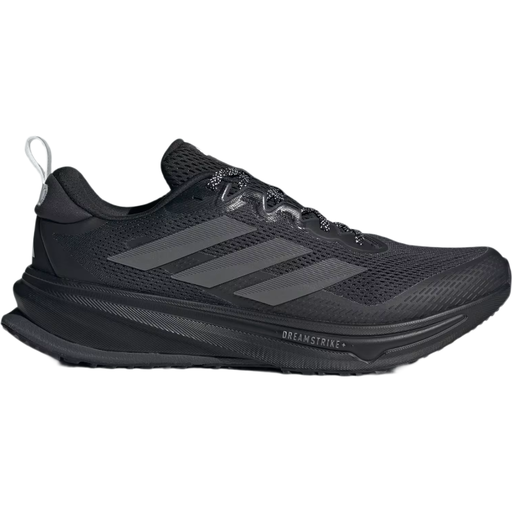
Why it suits this profile: According to the product description, the ATR version is designed for a range of surfaces. The shoe has a padded insole, adjustable laces and an upper made from synthetic material and textile.
The specifications go beyond a vague promise, covering the construction, materials and care restrictions: clean with a damp cloth and do not machine-wash.
ATR construction, padded insole, adjustable laces and synthetic rubber outsole.
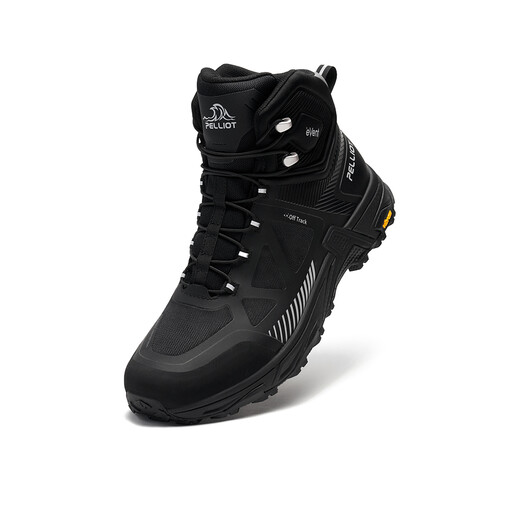
Why it suits this profile: For walking, camping and travelling over varied terrain, a protective toe, deeper tread and a waterproof membrane (according to the product description) are all useful features.
The listing specifies a hard-wearing synthetic upper, protective toe, waterproof membrane and treaded rubber sole. Be sure to check the fit against your foot length.
Protective toe, treaded sole, quick-lace system and a size chart with foot lengths in millimetres.
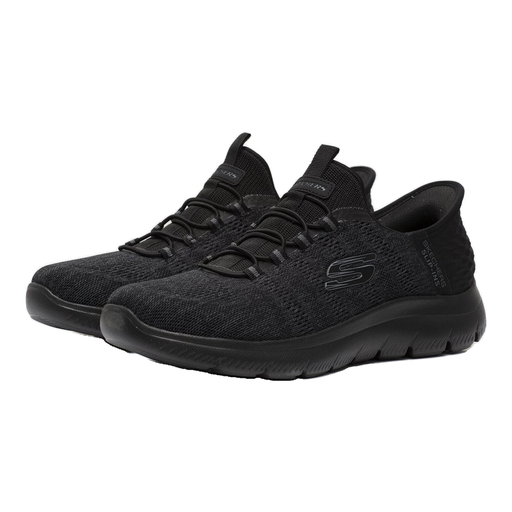
Why it suits this profile: This slip-on style has a textile upper, fixed insole and treaded rubber outsole. It’s particularly practical for everyday wear and short trips.
The product information describes the fit as true to size and recommends choosing your usual size. That makes it easier to pick the right size than with a style that has no sizing advice.
Slip-on design, memory foam insole, regular fit and treaded rubber sole.
We’ve put together a complete, up-to-date list of products that meet these strict selection criteria and current European safety regulations.
Measure your foot length in centimetres or millimetres and compare it with the size chart for that specific style. Don’t automatically use the size you wear in another brand. Also check whether the style comes up large, small or true to size, and note the stated width.
How long they last depends on how you use them, the surfaces you wear them on, your body weight, the materials and how you care for them. Hiking boots worn every day on wet, rough paths will wear differently from casual trainers mainly worn indoors or on flat streets. Follow the care label and let shoes dry naturally, unless the manufacturer advises otherwise.
No. Comfort depends mainly on fit, width, sole construction, material and what you’ll use the shoes for. Compare the technical product details and check the returns and warranty policies before buying shoes online. This gives you a better basis for choosing than price or brand name alone.
