
Vandaag of morgen in huis

Kwaliteit gegarandeerd

Welkomstaanbiedingen ontgrendelen: GRATIS bezorging | Tot 80% korting | Gratis 30 dagen JoyPlus-proefperiode
Download de app
Buying shoes seems straightforward until, after a few weeks, you develop problems with a tight toe box, soles that wear out quickly or insufficient grip on wet pavements. Online, you will also see terms such as “maximum cushioning”, “lightweight” and “suitable for every terrain”. These descriptions only become meaningful when you link them to verifiable specifications.
This buying guide will help you compare running shoes, trail running shoes, women’s trainers, men’s trainers, children’s shoes and other sports shoes with confidence.
A casual trainer may look great, but that does not automatically mean it is suitable for long walks or sport. A leather or synthetic upper may be sturdy, while the shoe offers less ventilation than a model with mesh. So, alongside the colour and model, always look at the material, sole and intended use.
Cushioned shoes often feel soft when you first put them on. However, the fit may still be wrong if your toes do not have enough room or your heel is not held securely enough. A soft insole cannot compensate for a last that is too narrow. Check the stated foot length, width fitting and advice on the product page.
A rubber sole does not offer the same grip on every surface. For everyday use on tarmac, a flatter tread is often practical. For mud, loose stones or wet paths, a deeper tread is more relevant. Brand names for sole technology are no guarantee for your particular situation; assess the material and tread together with the environment in which you walk or run.
Measure both feet at the end of the day while wearing the socks you usually use. Compare the measurement with the product’s size chart, as an EU size can fit differently depending on the brand or model.
Pay attention to these points:
For example, the PELLIOT Running Shoes list foot lengths in millimetres and, according to the product description, offer a standard version and a slim-fit for narrower feet. This makes the choice more specific than simply saying “true to size”.
For warm days, running and intensive sports sessions, mesh and woven textile are often airier than fully synthetic materials. A leather upper can offer a different look and structure for everyday wear.
Check the following:
“Breathable” does not mean that the shoe will stay dry in all conditions. It usually describes a construction that can support airflow and moisture management. According to the product description, the PUMA Pounce Lite collection uses an upper with textile and synthetic sections, while the Converse Star Player 76 OX has a canvas upper and textile lining.
The midsole largely determines how the shoe feels when you walk or run. EVA and Cloudfoam materials are often associated with cushioning or energy return in product descriptions. Treat this information as the manufacturer’s description, not as a medical promise.
The outsole determines how the shoe contacts the ground:
Grip is particularly important for trail running shoes. According to the product information, the Salomon DRX DEFY GRVL has an All Terrain Contagrip outsole and an Active Chassis for use on gravel and mixed surfaces. However, always check the current product details and size availability before buying.
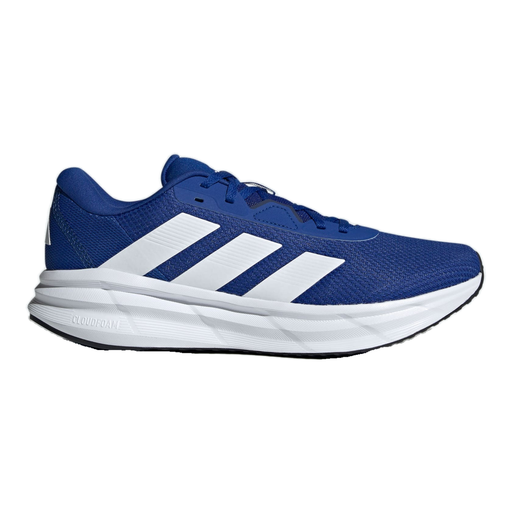
Why it suits this profile: According to the product description, the regular fit, lace fastening and Cloudfoam midsole make this model suitable for beginner runners and everyday sports use on the road.
The product information states EU size 42, a foot length of 270 mm and a regular fit. This allows you to check the details more precisely than by judging appearance alone.
Textile upper, Cloudfoam midsole and TPU outsole according to the product specifications.
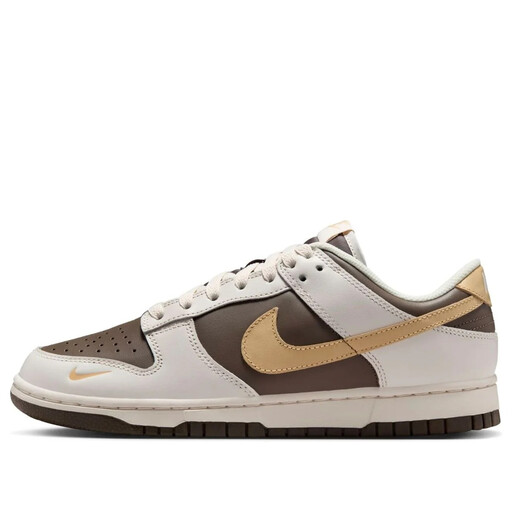
Why it suits this profile: For anyone looking for a well-finished everyday trainer who values leather, a padded collar and a recognisable low-top design.
The choice is not based on the silhouette alone: the product page lists leather and textile for the upper, a padded collar and a rubber sole.
Leather upper, padded collar, lined interior and rubber outsole according to the product description.
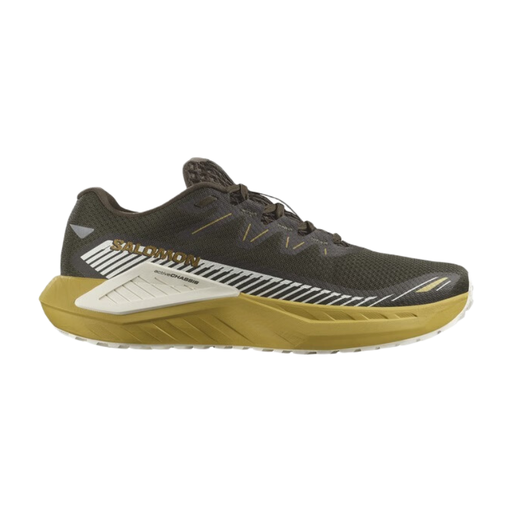
Why it suits this profile: According to the product information, this model is designed for gravel, mixed surfaces, trail running and walking. It is therefore suited to users who go beyond ordinary tarmac.
Choosing a trail model prevents you from using a flat city outsole on loose or uneven paths. However, check that the last suits your foot.
Active Chassis, Energy Foam midsole and All Terrain Contagrip rubber according to the product details.
We have put together a complete, up-to-date list of products that fully meet these strict selection criteria and the applicable European safety regulations.
A model such as the Skechers Go Run 400-Darvix for children lists a regular fit, mesh upper, rubber sole and hook-and-loop fastening according to the product information. These are practical features for school, play and everyday use, but always check the current size and availability.
Measure your foot in millimetres and compare the measurement with the size chart for the specific model. Measure both feet and use the larger measurement. Also consider the fit: a regular last, slim-fit or wide last can affect your final choice.
Their lifespan depends on use, surface, body weight, care and material. Sports shoes that are frequently worn outdoors wear differently from trainers used in the office or for everyday activities. Replace a pair when the sole shows visibly uneven wear, the upper starts to come away or the fit no longer feels stable.
No. Comfort mainly depends on the fit, correct size, material and intended use. An expensive model with a narrow last may feel less comfortable than a simpler model that suits your foot better. So compare the specifications and choose based on how you intend to use the shoes.
