
Vandaag of morgen in huis

Kwaliteit gegarandeerd

Welkomstaanbiedingen ontgrendelen: GRATIS bezorging | Tot 80% korting | Gratis 30 dagen JoyPlus-proefperiode
Download de app
Buying shoes online might seem straightforward, but a nice photo doesn’t tell you much about fit, materials or grip. If you only focus on the brand or a discount, you could end up with shoes that pinch, wear out quickly or aren’t right for what you need them for. This guide helps you compare women’s shoes, men’s shoes, trainers and sports shoes based on features you can actually check.
A trainer that looks sporty isn’t automatically suitable as a running shoe. Casual shoes are usually designed for everyday wear, not for repeated impact, wet trails or long training sessions. So start by thinking about where you’ll use them: work, walking, running, travel, indoor use or outdoor activities.
A size 42 can fit differently depending on the brand and model. The shape of the toe, the width of the last and the material all determine how much room your foot actually has. Some models include a foot length or fit guide. Use that information alongside your usual size, and also check whether the shoe has a regular, narrow or wide fit.
Terms like “ultra-light”, “extra comfortable” and “all-terrain” are only useful when the product information gives concrete details. Think about the upper material, the type of sole, the closure, the cushioning and the tread pattern. According to a brand’s own research, performance claims can sound convincing, but they aren’t automatically a guarantee for every user. So compare the listed features with your own situation.
Measure your foot at the end of the day, when your feet are usually a bit larger. Place your heel against a wall and measure to the longest point. Compare the result with the product’s size guide. Pay attention to:
Leather and suede can be sturdy and mould to your foot over time, but they need proper care. Textile and mesh are often lighter and, according to the product description, allow more airflow. Synthetic leather is easy to wipe clean, but it feels different from natural leather.
Also check the composition. Some models state that they contain non-textile parts of animal origin. That’s useful information if you’re conscious about material choices.
For everyday use, a rubber sole with a modest tread is often enough. For running shoes and trail shoes, the midsole and outsole are more important. Look out for:
No sole performs the same in every condition. So check whether the model is intended for tarmac, mixed terrain, indoor use or dry conditions.
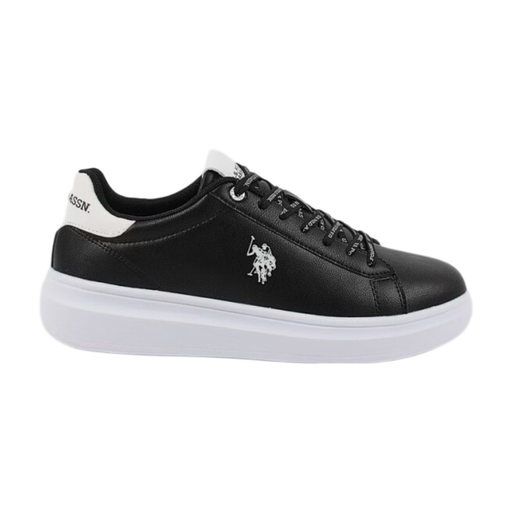
Why this fits the profile: This black men’s trainer is designed for casual use and combines a standard width with a lace-up closure. That makes it practical for everyday outfits and the commute.
The product information mentions the material, sole, closure and width. So you don’t have to rely on looks alone.
Synthetic leather and mesh, lightly padded insole, rubber sole and closed toe.
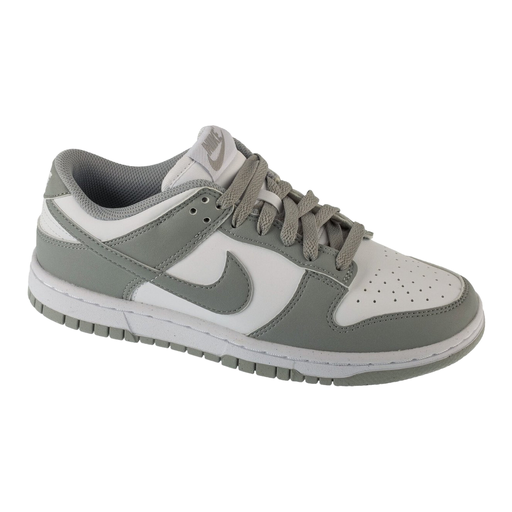
Why this fits the profile: This women’s shoe suits anyone looking for a recognisable model for everyday wear who values leather, textile and a padded collar.
The listed materials and rubber outsole give you more information than just the colour and product image.
Leather and textile upper, padded collar, lined insole and rubber sole with pivot-point tread.

Why this fits the profile: This model is designed for running and use on mixed surfaces, from city streets to paths. The product information mentions standard and narrow fits.
Instead of choosing a regular trainer for intensive use, here you can see specifications for surface, foot shape and care.
Mesh and woven textile, EVA midsole and ROCKYTEC rubber outsole; the size guide is based on foot length.
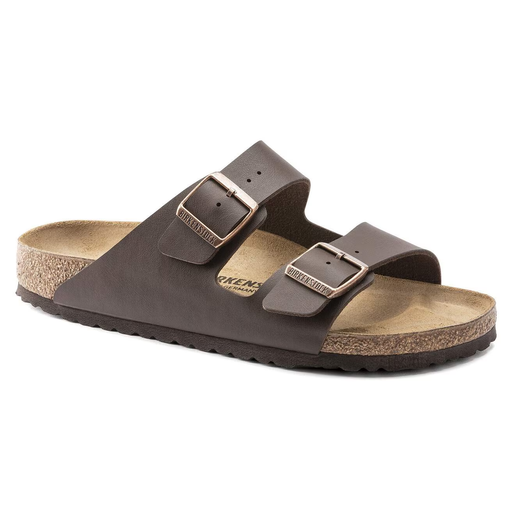
Why this fits the profile: This sandal has two adjustable straps and is suitable for anyone looking for an open style for home, leisure and dry summer days.
The adjustability allows you to fine-tune the fit more precisely than with a fixed slide.
Birko-Flor synthetic upper, cork-latex footbed, suede lining and EVA outsole.
We’ve put together a full, up-to-date list of products that fully meet these strict selection criteria and comply with current European safety regulations.
A brand name can help you search, but always compare the specific model. For example, a Vans Hylane has a suede and synthetic upper, a textile lining and a rubber sole with tread. A Converse Star Player 76 OX, according to the product information, uses a canvas upper and a vulcanised rubber sole. That difference matters for feel, care and when you wear them.
For slides and sandals, check the adjustability, the footbed, water drainage and the sole tread. A bathroom slide needs different features from an outdoor sandal. For trail shoes, look at grip, durability and fit; for casual shoes, focus on material, closure and everyday comfort.
Store shoes in a dry place, let wet models dry at room temperature and follow the manufacturer’s care advice. Don’t use bleach or high heat if it’s not recommended. That way, you’ll avoid unnecessary damage to glue, textile and synthetic materials.
Measure both feet in millimetres and use the sizing on the product page. Take the size of your longer foot as a starting point. Also check the fit: standard, narrow or wide. With lace-up shoes, you can usually adjust the fit a bit more precisely.
That depends on the material, how often you wear them, the surface and how you care for them. Everyday trainers wear out faster if you use them in the rain, for work and on long walks. Sports shoes can gradually lose their original cushioning and grip, even if the upper still looks fine. Replace shoes when the sole is clearly smooth, the structure is distorted or the comfort noticeably decreases.
No. The right choice depends on fit, material and use. A lightweight mesh shoe can feel better for movement, while leather or suede suits a different style and care routine. Compare concrete specifications and choose the model that matches your foot and daily use.
