
Vandaag of morgen in huis

Kwaliteit gegarandeerd

Welkomstaanbiedingen ontgrendelen: GRATIS bezorging | Tot 80% korting | Gratis 30 dagen JoyPlus-proefperiode
Download de app
Buying shoes online seems simple: choose a style, select your size and place your order. Yet many purchases end in disappointment. A shoe may look appealing but be unsuitable for long walks, running or everyday wear. Checking the fit, materials and sole carefully can help you avoid making the wrong choice.
Nike Dunk Low, New Balance trainers, PUMA trainers and Vans trainers are popular choices, but popularity does not automatically mean a shoe is suitable for your needs. A low-profile casual trainer with a rubber sole may be perfectly suitable for the city, but it may lack the cushioning, support or grip you need for running or walking.
So look at what you intend to use the shoes for first, and only then consider the brand or model. Women's shoes, men's shoes and unisex shoes also differ in more than just appearance. The last, available sizes and fit can vary from one model to another.
An EU size is not exactly the same for every brand. The shape of the toe box, the width of the last and the thickness of the lining can also affect the fit. Always check the size guide and compare it with your foot length in millimetres or centimetres.
Pay attention to when you measure your feet, too. Ideally, do it at the end of the day and wear the socks you would normally wear with the shoes. For sports shoes or running shoes, a little extra room around the toes is useful, while a casual shoe can often fit more closely.
Terms such as “lightweight”, “grip” and “comfortable” are only useful when it is clear what they are based on. Look for verifiable information such as:
When a brand describes a particular performance benefit, we do not treat it as an independently proven result. For example, PELLIOT’s product description states that the EVA midsole provides shock absorption and resilience. That is a product specification from the listing, not a medical guarantee.
A good fit starts with foot length, but it does not end there. If you have narrow feet, check whether a slim fit is available. For regular or wider feet, a standard model may fit better. Adjustable straps or a wide shape are useful for sandals and flip-flops, as your foot is less enclosed.
Also check whether the model has a regular fit and whether the seller recommends choosing your usual size. If you are unsure, the size guide is more important than the size you wear in another brand.
Mesh and textile generally allow more air through than fully enclosed materials. This can be comfortable for sports shoes, trainers and everyday summer wear. Leather and synthetic overlays can add structure and improve durability, but they often require different care.
An online product detail such as “unlined” does not mean that the shoe will be comfortable for everyone. It may improve airflow, but it may also feel different on sensitive feet. That is why you should also read the care instructions and customer reviews where available.
The midsole largely determines how a shoe feels underfoot. EVA is widely used in running shoes and sports shoes because of its low weight and cushioning properties, as described by the manufacturer. In casual shoes, the midsole may be thinner, with greater emphasis on flexibility and appearance.
The outsole should suit the surface you will be walking or running on:
Bear in mind that grip claims may come from the brand’s product description. Assess them alongside the visible tread pattern, the material and how you plan to use the shoes.
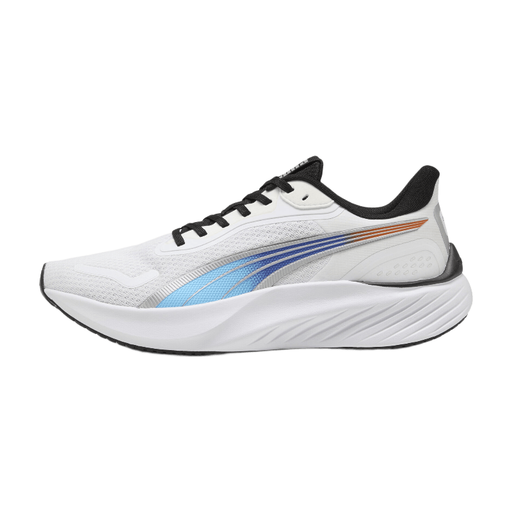
Why it suits this profile: A versatile model for everyday wear, light training and short running activities. The product description mentions a lightweight foam construction and a PROTREAD rubber outsole.
The choice is based on concrete information about the foam, material construction and rubber sole, rather than appearance alone.
Textile and synthetic upper, rubber outsole and a lace fastening for an adjustable fit.
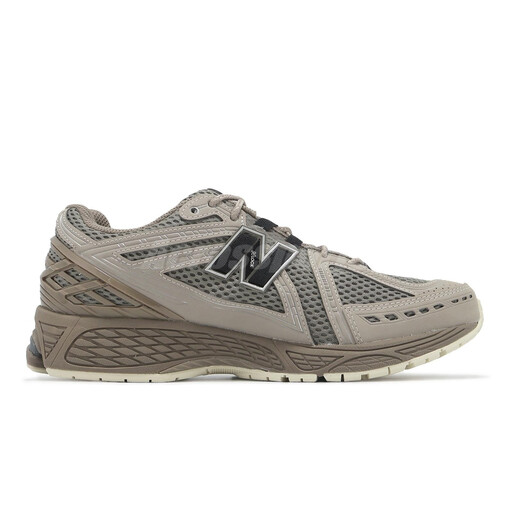
Why it suits this profile: According to the product listing, this model combines a retro running-shoe profile with mesh, synthetic sections and ABZORB cushioning. This makes it suitable for everyday wear and light exercise.
The material and sole information makes it clear what you are buying; the model is not presented merely as a fashionable trainer.
Mesh and synthetic upper, ABZORB midsole, Stability Web technology according to the manufacturer, and a rubber sole.
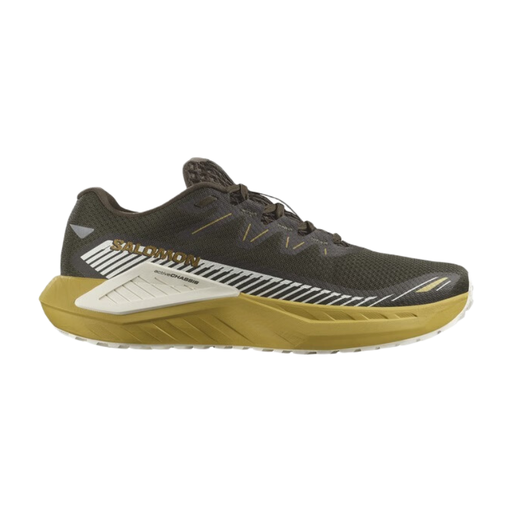
Why it suits this profile: Designed for trail running, gravel paths and walks on mixed terrain. The product information lists Active Chassis, Energy Foam and an All Terrain Contagrip outsole.
The sole and construction are linked to gravel and mixed terrain, rather than recommending a city model for every situation.
Synthetic mesh, EVA-based Energy Foam midsole and rubber All Terrain Contagrip outsole according to the product description.
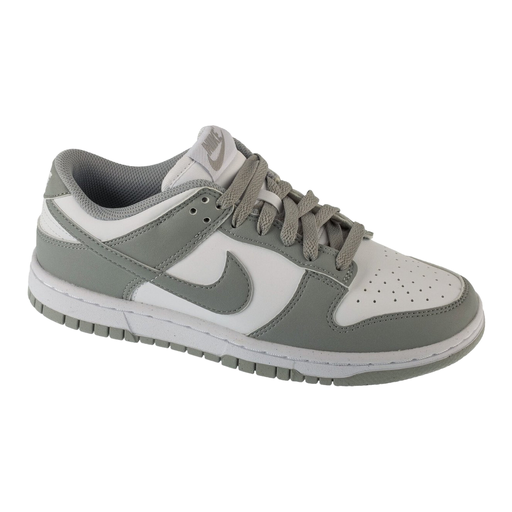
Why it suits this profile: A women's trainer for everyday wear with a low profile, leather and textile upper, and a rubber sole with pivot point according to the product details.
The shoe is positioned as a casual model, not a running shoe. This helps prevent unrealistic expectations about how it should be used.
Leather and textile upper, padded collar, cushioned insole and rubber outsole.
We have put together a complete, up-to-date list of products that fully meet these strict selection criteria and the applicable European safety regulations.
Measure your foot length while standing upright and compare your longer foot with the model’s size guide. Also check the stated fit, such as slim fit, regular fit or wide fit. A brand’s size designation is not always directly comparable with that of another brand.
For everyday walking on paved roads, casual shoes or trainers with a secure fit, sufficient flexibility and a rubber sole are often practical. For woodland paths, mud or gravel, walking shoes or trail-running shoes with a more pronounced tread are a more logical choice. Always check the product specifications rather than relying solely on the model name.
Their lifespan depends on how often they are worn, your body weight, the surface, the materials and how well they are cared for. A pair worn every day will generally wear out faster than shoes that are alternated. After a wet walk, allow your shoes to air-dry naturally, avoid direct heat and follow the care label. This will help keep the materials and sole in usable condition for longer.
