
Vandaag of morgen in huis

Kwaliteit gegarandeerd

Welkomstaanbiedingen ontgrendelen: GRATIS bezorging | Tot 80% korting | Gratis 30 dagen JoyPlus-proefperiode
Download de app
Buying shoes online seems simple until your order arrives. The colour looks different from the product photo, the size fits differently than expected or the sole turns out to be unsuitable for how you plan to use them. A few targeted checks can significantly reduce the chance of making the wrong choice.
This applies to men’s, women’s and children’s shoes, as well as trainers, casual shoes, sports shoes, running shoes and trail running shoes. The right choice depends not just on the brand or appearance, but above all on fit, material and the surface you’ll be using them on.
A brand name doesn’t automatically mean a model is right for your needs. Vans trainers can work well with a casual outfit, but they don’t have the same construction as running shoes. A fashionable trainer isn’t necessarily suitable for long walks either.
So start by thinking about how you’ll use them:
A size 39 or 44 is a useful starting point, but it doesn’t guarantee a good fit. The shape of the toe, the width of the last and the room around the toes vary from one model to another. Children’s feet also grow quickly.
If possible, measure your feet at the end of the day, wearing the socks you plan to wear with the shoes. Then compare the measurement with the product’s size chart. For children’s shoes, Geox product information recommends allowing around 0.5 to 1 centimetre of growing room and choosing a size up if you’re unsure.
Terms such as ‘breathable’, ‘comfortable’ or ‘lightweight’ are only useful if you know what they’re based on. So check the details:
For example, according to PUMA’s product description, the Speedcat OG has a leather upper, textile lining, rubber midsole and rubber outsole. These are details you can check; descriptions of comfort and style reflect the brand’s positioning.
Look beyond the length. A regular fit isn’t the same as a wide fit. Pelliot lists some running models in both a standard version and a slim-fit version. This may matter if you have narrower feet.
Also check that the product page actually offers your size. A model may be available in different sizes and colours, but stock can vary by colour. For children’s shoes, double EU sizes such as 20-21 or 23-24 are common for certain clogs.
The outsole largely determines how a shoe performs on different surfaces. A flat rubber sole is often enough for everyday use. Grip, tread and cushioning are more important for running and trail running shoes.
According to the product information, the Pelliot models in this selection use an EVA midsole and a ROCKYTEC rubber outsole. Some versions also mention Vibram Megagrip. Always check that the specification applies to the exact version you’ve chosen, rather than just another version in the same product range.
According to the product description, a mesh upper can help with airflow, but it often needs more attention when it gets dirty. Leather may need different care from synthetic material. Don’t automatically put shoes in the washing machine: follow the care label.
For children, a simple fastening is practical. According to the product information, the Geox B Lightyloo has a single hook-and-loop fastening combined with elastic laces. Crocs clogs have a slip-on design and are made from 100% Croslite, according to the product description. That makes them practical for short periods at home or during leisure time, but an open clog style isn’t suitable for every walking or sporting activity.
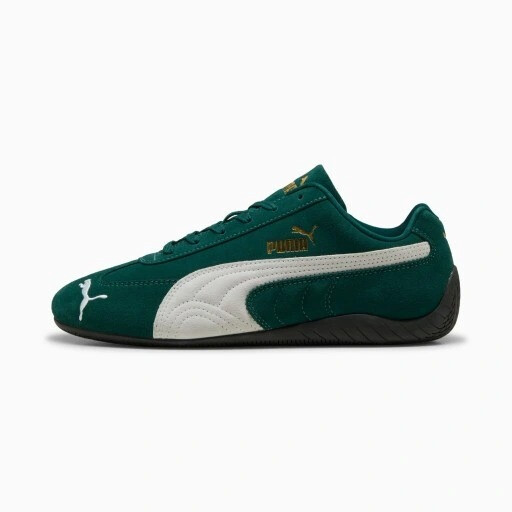
Why it suits this profile: A low-profile shoe with laces and a flat heel, suited to everyday wear and casual outfits. The dark green colour pairs easily with jeans and casual clothing.
The product information specifies a regular fit, a round toe and the materials used. This lets you compare the shoe based on facts, rather than appearance alone.
Leather upper, textile lining, rubber outsole and lace fastening, according to the product details.
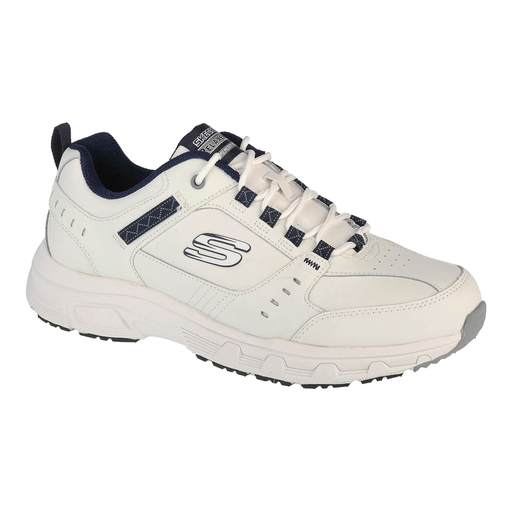
Why it suits this profile: Designed for adults looking for a walking shoe for everyday use, with a roomy fit and a sporty look.
The size 44, width D and regular fit are clearly specified. The upper and sole materials are listed too, so you don’t have to judge the shoe on the word ‘comfortable’ alone.
Synthetic upper, rubber outsole, lace fastening, pull tab and a roomier Relaxed Fit, according to the product information.

Why it suits this profile: Designed for runners looking for a lightweight shoe for a range of surfaces, from city streets to unpaved paths.
The product information lists foot lengths, EU sizes, standard and slim-fit options, and the type of sole. Check that the version you choose has exactly the same features.
Sandwich mesh and woven upper, EVA midsole and ROCKYTEC rubber outsole, according to the product description.
We’ve put together a complete, up-to-date list of products that meet these strict selection criteria and the applicable European safety regulations.
Measure both feet in centimetres and use the measurement for your longer foot. Compare it with the size chart for the specific model. Also check the stated fit and the room around the toes. Growing room is important for children, but too much extra space can reduce stability.
Their lifespan depends on the material, how often you wear them, your body weight, the surface and how well you care for them. A casual trainer worn around town will be used differently from a sports shoe or trail running shoe. Check the soles regularly for wear and follow the care instructions. If a fault isn’t caused by normal wear and tear, your statutory consumer rights in the EU apply; some product pages state a two-year legal guarantee.
Costs are usually limited to cleaning products, a soft brush or cloth and, if needed, a waterproofing product suitable for the material. Leather, mesh and synthetic materials don’t all need the same care. So check the care label first and avoid products that could damage the colour or adhesive.
