
Vandaag of morgen in huis

Kwaliteit gegarandeerd

Welkomstaanbiedingen ontgrendelen: GRATIS bezorging | Tot 80% korting | Gratis 30 dagen JoyPlus-proefperiode
Download de app
Buying shoes online seems simple: choose a brand, select your size and place your order. In practice, most disappointing purchases are caused by the wrong fit, a sole that is unsuitable for the terrain or a model designed for a different activity. For example, a trainer for everyday wear is not automatically suitable as a running shoe.
Marketing language can also be confusing. Terms such as “extra comfort”, “professional grip” or “durable materials” mean little if the specific composition and intended use are not clear. Use these checkpoints to compare trainers, sports shoes, running shoes and walking shoes more practically.
Nike shoes, adidas shoes, Puma shoes, Salomon shoes and Skechers shoes each come in different models for a range of uses. A stylish casual shoe is not designed to withstand the same demands as a running shoe or trail running shoe.
So check the following first:
Sizes can vary between brands and models. An EU size 42 does not have exactly the same internal length in every shoe. As well as the size, pay attention to the stated foot length in centimetres or millimetres. For the adidas Runfalcon 5, for example, a foot length of 26.7 cm is given for size 42 2/3. That is more useful than relying solely on your usual size.
Measure your foot at the end of the day, wearing the socks you normally use. Then compare your longest foot with the specific size chart. Extra care is important when buying children's shoes, as their feet are still growing and an overly roomy shoe can affect the fit.
A rubber tread can provide grip, but it does not automatically make a shoe waterproof. A mesh upper often offers better breathability, while a membrane such as GORE-TEX is described in the product information for the Salomon XA Pro 3D v9 GTX as providing protection against wet weather. This is a product specification, not a guarantee that your feet will stay dry in all conditions.
Also consider the terrain. A flat rubber sole is generally suitable for use on the street, while a trail running shoe may have a deeper tread and additional reinforcement. Only use sports shoes with studs or cleats for their intended purpose. The Nike Huarache 9 Varsity Lax FG, for example, is designed for lacrosse on natural grass, not for everyday walking on asphalt.
Pay attention to the stated fit, width and internal length. “Regular fit” or “normal fit” gives a general indication, but does not tell you everything about the space around the toes or instep. A model with width G may feel different from one with width D.
Also check:
The outsole mainly determines grip and durability. The midsole affects how flexible or firm a shoe feels. Product descriptions mention EVA, IMEVA, Cloudfoam and Bounce 2.0, among others. According to the relevant brand descriptions, these are materials or constructions designed to provide cushioning or a lightweight feel. Treat this as an indication of the design, not as a universal promise of comfort.
For everyday use, flexible trainers such as the Vans Old Skool or Converse Star Player 76 OX can be a sensible choice. For running, models such as the adidas Galaxy 7, adidas Runfalcon 5 and adidas Ultrarun 5 are built more specifically around a running purpose.
Leather, synthetic leather, mesh and textile require different types of care. A leather upper may have a different appearance and care routine from breathable mesh. Check the washing instructions before ordering. Many models should not be put in the washing machine or tumble dryer.
For muddy shoes, the following usually works:
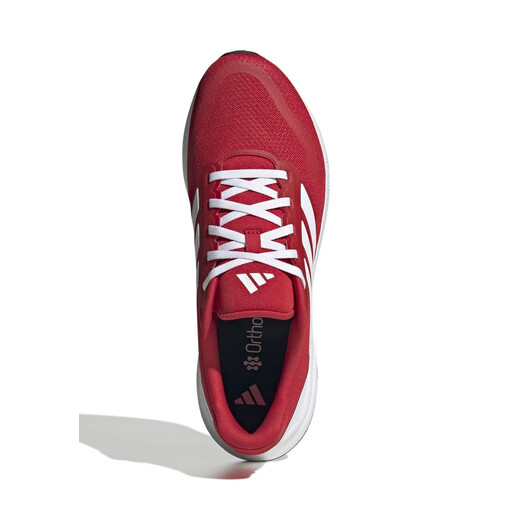
Why it suits this profile: According to the product description, this shoe is designed for everyday running and short distances of 0–10 km. The mesh upper, Cloudfoam midsole and lace fastening make it practical for beginner runners.
The intended use and size information are clearly stated. This means you do not have to use a casual trainer as a running shoe.
Mesh upper, Cloudfoam midsole, OrthoLite insole and Adiwear outsole according to the product specifications.
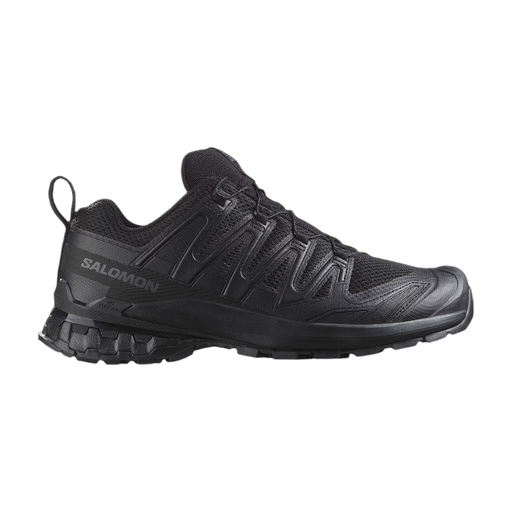
Why it suits this profile: According to the product information, this model is designed for trail running and walking. The combination of GORE-TEX, 3D Advanced Chassis, Contagrip rubber and Quicklace is suited to use on wet or uneven paths.
The product specifications identify both the terrain and the construction. This prevents you from choosing based solely on appearance or brand name.
GORE-TEX membrane, Quicklace system and Contagrip outsole according to the product description.
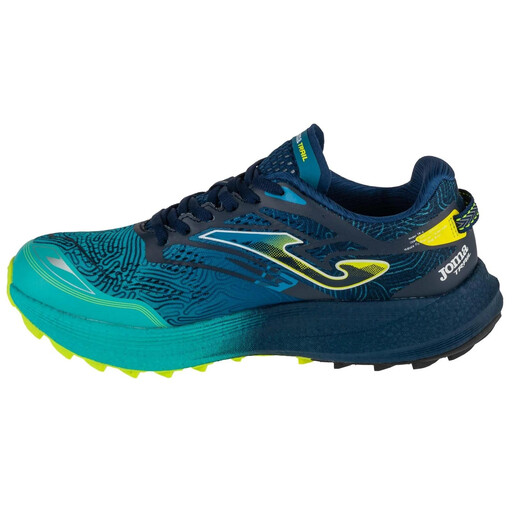
Why it suits this profile: According to the product description, the Joma TR-6000 is made for trail running. Mesh, an EVA midsole, reinforced toe and heel areas and a lugged sole are designed for unpaved and uneven routes.
The shoe is not presented as a general casual shoe. Instead, it has a clear trail profile with reinforced areas and high traction according to the specifications.
Breathable mesh, EVA midsole, rubber outsole and regular fit in size 44.
We have put together a complete, up-to-date list of products that fully meet these strict selection criteria and the applicable European safety regulations.
Measure both feet in centimetres and use the size guide for the specific model. Use the measurement of your longest foot as the starting point. Also check the fit and width, as a size chart alone cannot tell you whether a shoe is suitable for a wide or narrow foot.
Their lifespan depends on use, the surface, body weight, care and the material. Casual shoes worn every day wear differently from shoes used in rotation. Replace a pair when the sole becomes noticeably smooth, seams come loose or the fit visibly changes. A statutory minimum two-year guarantee may apply in cases of lack of conformity, but normal wear and tear is not automatically covered.
This is possible for gentle walking on flat ground, but not every model is suitable for long walks or technical terrain. For woodland, gravel and mud, walking shoes or trail running shoes with a suitable tread are more practical. Always check the stated intended use, sole and level of support before ordering.
