
Vandaag of morgen in huis

Kwaliteit gegarandeerd

Welkomstaanbiedingen ontgrendelen: GRATIS bezorging | Tot 80% korting | Gratis 30 dagen JoyPlus-proefperiode
Download de app
Buying shoes online is convenient, but an attractive photo and a well-known brand name are not enough. The difference between a comfortable purchase and a pair that stays in the cupboard often comes down to details such as the fit, sole construction and intended use.
When shopping online, pay particular attention to these common pitfalls:
Choosing the right size does not start with the number on the box, but with the shape and length of your foot. Measure your feet at the end of the day, when they are generally slightly larger. Compare the result with the size chart for the specific model.
Also pay attention to:
Extra checks are important when buying children’s shoes. A child’s foot grows, but an oversized shoe can feel unstable at school, during sport and while playing. Check the size regularly rather than choosing based solely on age.
The sole largely determines how a shoe feels and where you can use it. A flat rubber sole, for example, is suitable for casual shoes and everyday trainers. For outdoor activities, tread, flexibility and grip are more important.
Material affects breathability, weight, appearance and maintenance. Leather can feel sturdy, but requires care. Canvas is generally lightweight and breathable, but can be more sensitive to rain. Mesh often allows more air to pass through, while a membrane may offer protection against moisture according to the product specification.
Check the following before buying:
A claim about comfort or grip should be read as product information from the brand or seller, not as a guarantee for every user. Foot shape, surface and duration of use all affect the experience.
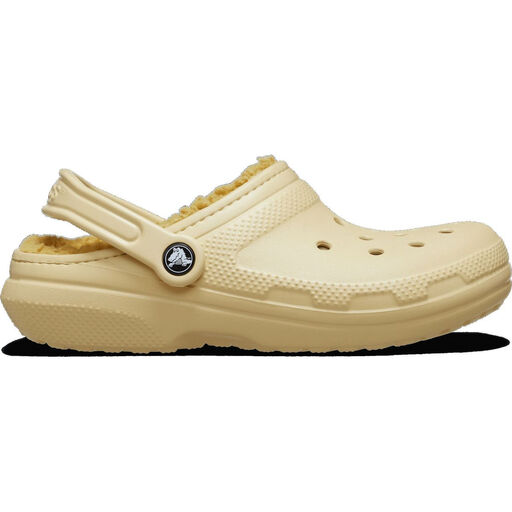
Why it suits this profile: The slip-on design is practical for home, leisure and short everyday journeys. The product information lists 100% CROSLITE and size 42-43.
The clearly stated material and size make comparison easier. However, check that size 42-43 suits your foot length.
Lightweight material, slip-on design and unisex styling for everyday use.
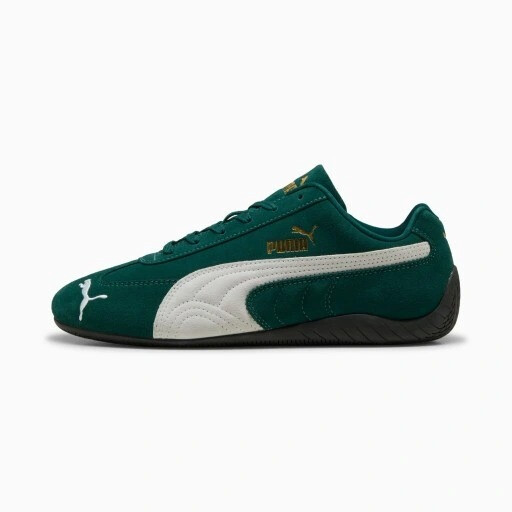
Why it suits this profile: This low-profile trainer is designed for a polished streetwear and casual look. According to the product information, the model has a leather upper, textile lining and rubber outsole.
The material construction and regular fit are more specific than a general comfort claim. The product information recommends impregnating the shoes before first use.
Leather upper, lace fastening, flat heel and rubber sole.

Why it suits this profile: According to the product description, this model is designed for trail running and walking on varied terrain. The listed GORE-TEX membrane and treaded sole are suited to wet outdoor conditions.
The intended use, fastening, membrane and sole are all clearly specified. This helps prevent you from choosing an ordinary trainer for muddy or technical trails.
GORE-TEX membrane, Quicklace system, 3D Advanced Chassis and Contagrip outsole.
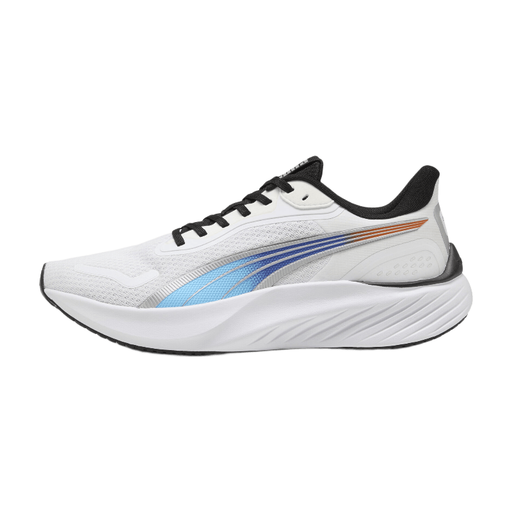
Why it suits this profile: According to the product information, this versatile model is suitable for running, training and everyday use. The listed size is EU 42.
The product information specifies the composition of the upper, lining and sole. Check the insole length before ordering rather than relying solely on EU 42.
Lightweight foam, rubber PROTREAD sole and an upper containing at least 30% recycled materials according to the product information.
We have put together a complete, up-to-date list of products that fully meet these strict selection criteria and the applicable European safety regulations.
Use this quick checklist when comparing shoes in different sizes:
For online purchases in the European Union, many consumer purchases are covered by a statutory guarantee. Some product pages also state a minimum statutory guarantee of two years. Check the seller’s current terms and keep your order details.
Measure both feet in centimetres and use the size chart for the model you have chosen. If there is a difference, use the size of your longer foot as the guide. Also consider the last and the type of socks you intend to wear.
Look for an explicitly stated waterproof or water-repellent construction and check which component provides this protection, such as a membrane. A leather or synthetic shoe without such a specification is not automatically waterproof.
That depends on the material, frequency of use, surface and maintenance. A pair of casual shoes for light everyday use will wear differently from running shoes, football boots or trail running shoes. Check the sole, seams and fit regularly, and replace shoes when they are visibly worn or no longer fit properly.
