
Vandaag of morgen in huis

Kwaliteit gegarandeerd

Welkomstaanbiedingen ontgrendelen: GRATIS bezorging | Tot 80% korting | Gratis 30 dagen JoyPlus-proefperiode
Download de app
Buying shoes seems straightforward until, a few weeks later, you develop problems caused by a poor fit, slippery soles or materials that wear out faster than expected. Online, you often see terms such as “extra comfort”, “waterproof” and “performance”, but these descriptions only become meaningful when you check the technical details.
As a Joybuy Product Recommendation Officer, I filter product information based on practical considerations: what is the shoe designed for, which materials have been used and does the size suit your foot? By carrying out these checks, you can make a more informed choice from options including women’s trainers, men’s trainers, children’s shoes, running shoes, walking shoes and sliders.
A trainer such as the Nike Dunk Low, Converse Star Player or Vans Old Skool may be suitable for everyday use. However, its flat rubber sole and casual construction are not automatically designed for running, long walks or muddy paths.
Running requires different features from everyday street use. Look for cushioning, flexibility, weight and grip. For trail running, the tread, stability and upper protection are particularly important.
A water-resistant shoe may offer better protection against light rain or splashes, but that is not the same as a fully waterproof construction. Check whether the product information mentions a membrane such as GORE-TEX, and also examine the seams, tongue and fastening.
A high-cut leather walking shoe can be practical in wet Dutch autumn and winter weather, but it requires care. A breathable mesh running shoe feels lighter, but is generally less suitable for prolonged rain.
An EU size is not identical across every model. The last, toe room and width all affect how a shoe feels. Ideally, measure your foot at the end of the day, wearing the socks you normally use. Then compare the measured foot length with the product’s size guide.
If you have wide feet, look for terms such as wide shoes, a wide toe box or standard- and slim-fit versions. Children’s shoes require additional checks: children grow, but a shoe that is too roomy can reduce stability when walking and playing.
As well as the size, check:
Some runners wear slightly thicker socks. An extra half size may then feel more comfortable, but always follow the size guide for the specific model first.
The midsole affects how the shoe feels underfoot. EVA foam is often used to create a lightweight construction with cushioning. The product information for some PELLIOT running shoes mentions an elastic EVA midsole. According to the product description, it is designed to provide cushioning and resilience when used on different surfaces. This is a product specification, not a guarantee of a particular running performance or physical effect.
For everyday use, a soft insole may be sufficient. For longer runs or walks, fit, stability and overall weight are at least as important as the thickness of the sole alone.
A smoother rubber tread is often suitable for use in towns and cities. For wet woodland, loose stones and mud, you need a deeper tread. Also check whether the sole is designed for tarmac, mixed terrain or trail running.
The product information for the Salomon XA Pro 3D v9 GTX mentions a Contagrip outsole, 3D Advanced Chassis and a GORE-TEX membrane. The Salomon DRX DEFY GRVL is described as having an All Terrain Contagrip outsole. Use these details as points of comparison, but bear in mind that grip depends on the surface, wear and weather conditions.
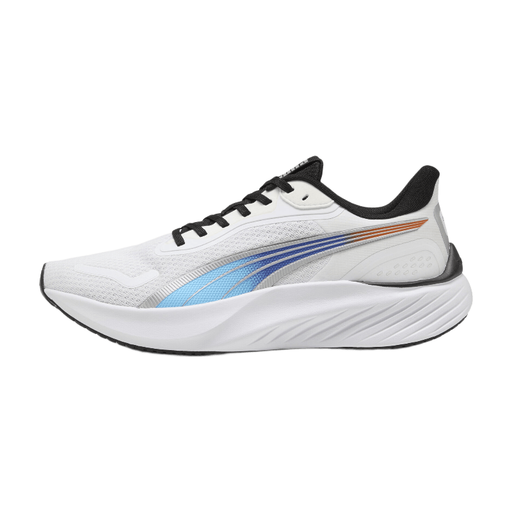
Why it suits this profile: This model combines everyday wear with light training. The product information mentions a lightweight foam construction, a rubber PROTREAD outsole and a lace-up fastening.
The product details specify the materials and sole, so you do not have to judge the shoe on appearance alone.
Textile and synthetic materials; rubber sole; according to the product information, the upper contains at least 30% recycled materials.
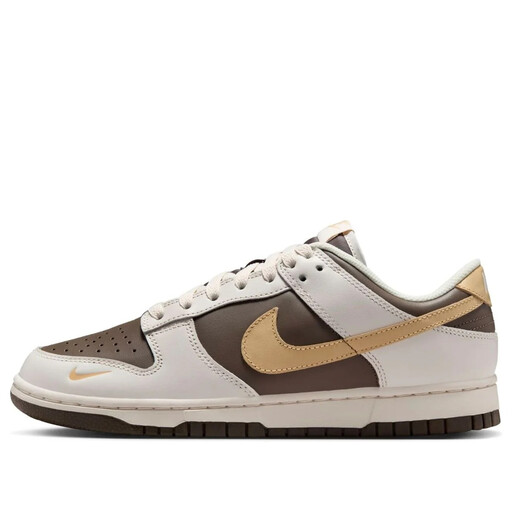
Why it suits this profile: A good choice if you are looking for a leather women’s trainer with a recognisable low-profile silhouette for everyday wear.
The leather outer, textile lining and rubber sole are clearly specified. This makes it easier to compare the model with canvas or mesh trainers.
Leather upper; padded collar; cushioned insole; rubber outsole with pivot point according to the product description.
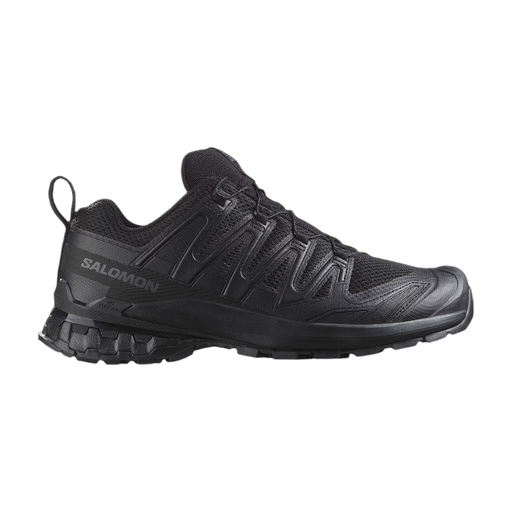
Why it suits this profile: Designed for trail running, walking and outdoor use, where grip, support and protection from wet conditions all matter.
The product information clearly distinguishes this model from ordinary trainers through its GORE-TEX membrane, trail construction and sole tread.
GORE-TEX membrane according to the product description; Contagrip rubber sole; Quicklace fastening; reinforced toe and heel.
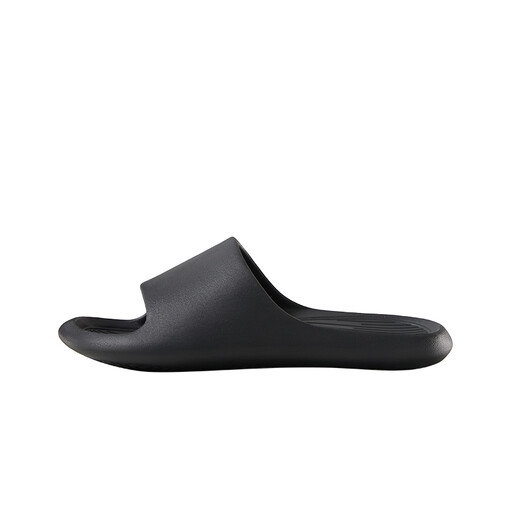
Why it suits this profile: These pool sliders are intended for light everyday use and, according to the product information, have a wide fit suitable for different foot shapes.
The size guide lists the recommended foot length for each size. This makes choosing more accurate than relying on small, medium or large alone.
EVA material; wide fit; lightweight design; textured footbed according to the product description.
We have put together a complete, up-to-date list of products that fully meet these strict selection criteria and the applicable European safety regulations.
Lifespan depends on the material, how the shoes are used and how they are cared for. Clean leather shoes with a suitable product and allow them to dry naturally. Do not place wet shoes directly on a radiator. Mesh shoes can usually be cleaned with a damp cloth; always check the care label first.
Rotate your shoes if you use them intensively. Check the sole, seams and heel counter regularly. With running shoes and trail running shoes, tread wear is particularly important as a sign that it is time to compare your options again. For children, secure fastenings and a good fit matter more than appearance alone.
Measure both feet in millimetres while standing upright. Use the longer foot as your reference and compare the result with the model’s size guide. Also consider the width and read user information about whether the fit is regular, narrow or roomy.
Look for an explicitly mentioned waterproof membrane, such as GORE-TEX, and check the construction of the tongue and seams. Water-resistant leather may be suitable for light rain, but it does not automatically offer the same protection as a full membrane.
There is no universal timeframe. Check the outsole for wear, look for deformation in the midsole and pay attention to changes in how the shoes feel when running. Anyone who runs frequently on tarmac may see wear sooner than someone who alternates between shoes or uses them less intensively. This makes inspection more important than replacing them after a fixed number of months.
