
Vandaag of morgen in huis

Kwaliteit gegarandeerd

Welkomstaanbiedingen ontgrendelen: GRATIS bezorging | Tot 80% korting | Gratis 30 dagen JoyPlus-proefperiode
Download de app
Buying shoes seems simple until a pair starts rubbing after a few weeks, offers insufficient grip or turns out not to be suitable for its intended use. Online, you often see terms such as “lightweight”, “extra comfort” and “breathable”. These descriptions only really tell you something when you also check the specific product details.
In this buying guide from the Joybuy Product Recommendation Officer, you’ll learn what to look for in trainers, running shoes, women’s trainers, men’s trainers and children’s shoes. This allows you to compare models based on fit, material, fastening and sole, rather than just appearance or brand name.
A soft insole feels pleasant when trying shoes on, but it won’t correct the wrong size or width. So check the stated fit, shoe width and sizing advice. A model with Memory Foam may provide extra cushioning, but it will still be unsuitable if your foot slides forwards or your toes don’t have enough room.
Casual trainers are intended for everyday use. Running shoes generally have a different midsole and outsole, designed to cope with repeated steps while running. A fashionable trainer is therefore not automatically suitable for running, long walks or intensive training.
Marketing copy sometimes mentions good grip, but you should also check the material and tread pattern of the outsole. A flat rubber sole may be suitable for the city, while a sole with lugs is better suited to unpaved paths. According to adidas’s own product information, the Adiwear outsole offers grip and durability; this is a product specification, not a guarantee for every surface or weather condition.
When ordering online, don’t just compare your usual EU size. Also check the stated foot length in millimetres or centimetres and read the sizing advice. This is particularly important when comparing different brands, such as Skechers shoes, PUMA trainers and adidas running shoes.
Also look out for:
For example, the Skechers Graceful model is described as coming up large, with one size smaller recommended. This differs from models that, according to the product information, fit normally or true to size.
A mesh or textile upper may feel more breathable than synthetic leather. This can make a model suitable for everyday use in warmer weather, but it doesn’t automatically say anything about water resistance. So check whether the description mentions a specific finish.
For breathable summer trainers, you can also browse the wider category via the breathable summer trainers range.
The midsole affects how a shoe feels under your foot. Product information may mention IMEVA, EVA, Bounce 2.0, Cloudfoam and Dreamstrike. These are brand-specific materials or names. According to PUMA’s own information, IMEVA is designed to provide a lightweight, comfortable feel. According to adidas’s own information, Bounce 2.0 and Cloudfoam are designed for cushioning and comfort.
Also look at the outsole:
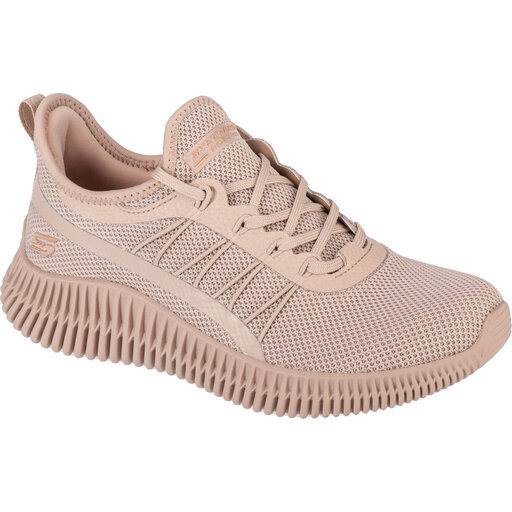
Why it suits this profile: A low-cut model for everyday use, with laces, a regular fit and a textile upper.
The product information states that it has a regular fit and recommends choosing your usual size. However, check this against your foot length and the returns policy.
Textile upper, rubber sole, lace fastening and D shoe width according to the product details.
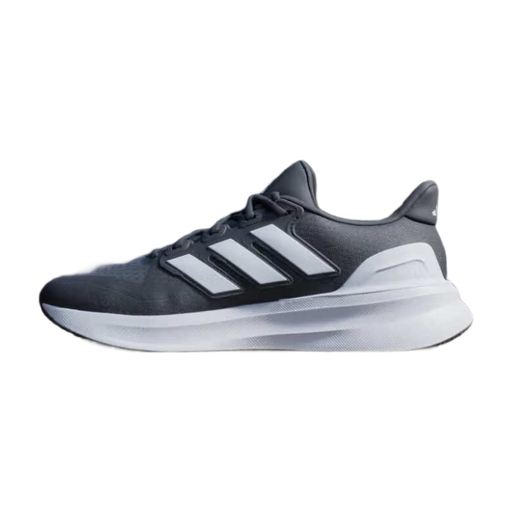
Why it suits this profile: Designed for runners looking for a mesh upper, cushioning and a grippy outsole for training.
The description specifies mesh, Bounce 2.0 and an Adiwear rubber outsole. This allows you to compare the shoe more meaningfully than relying on the word “sporty” alone.
Mesh upper, Bounce 2.0 midsole, OrthoLite insole according to the product information, and a regular fit.
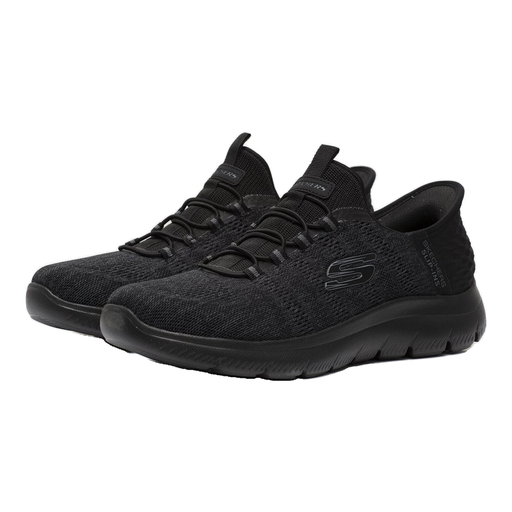
Why it suits this profile: A slip-on for adults who want to get ready quickly and are looking for a casual shoe for everyday use.
Size 44 is described as a regular fit. The fixed insole and slip-on construction are clearly stated in advance, so you know that adjustability is limited.
Textile upper, Air-Cooled Memory Foam insole and treaded rubber outsole according to the product details.
For women’s trainers and men’s trainers, material, width and everyday use are often decisive factors. A textile or mesh model may be comfortable for commuting, while synthetic leather may be easier to wipe clean. For children’s shoes, a practical fastening, sufficient toe room and the right size are particularly important. Hook-and-loop models, such as some Skechers children’s trainers, are quick to put on and take off.
For walking or longer distances, check the sole as well as comfort. Anyone who mainly walks on tarmac will generally need different features from someone who uses unpaved paths. For every pair, check the full product information, care advice and available sizes.
We’ve put together a complete, up-to-date list of products that fully meet these strict selection criteria and the applicable European safety regulations.
Measure your foot at the end of the day while wearing the socks you intend to wear with the shoes. Compare the longer foot with the product’s size chart. Also check the stated width and specific sizing advice; an EU size is not identical across every brand.
Their lifespan depends on use, surface, body weight, care and material. Look out for visible wear on the outsole, cracks in the upper and a midsole that no longer feels even underfoot. If you run intensively, replacing your shoes in good time is more important than when they’re used casually from time to time.
You can, provided the fit and appearance suit how you intend to use them. Bear in mind that running shoes are designed for a specific running motion and surface. For everyday use, casual trainers or comfortable shoes may be more practical. Always check the product description before using a pair for a different activity.
