
Vandaag of morgen in huis

Kwaliteit gegarandeerd

Welkomstaanbiedingen ontgrendelen: GRATIS bezorging | Tot 80% korting | Gratis 30 dagen JoyPlus-proefperiode
Download de app
Buying shoes seems straightforward, until a few weeks later when you develop a sore, cramped forefoot, slippery soles or materials that wear out quickly. Photos and marketing copy alone are rarely enough to help you make the right choice, especially when shopping online. A style might look great but still be unsuitable for long walks, rainy bike rides or everyday wear at school.
Focus on the features that matter for how you’ll use the shoes. Here are some practical points to consider when choosing men’s shoes, women’s shoes, children’s shoes, trainers, sports shoes and walking shoes.
A retro trainer, skate shoe or casual shoe might go well with your clothes, but that tells you little about its fit and support. A flat rubber sole might be suitable for short trips around town, while walking or running calls for more cushioning and a sole suited to the terrain.
An EU size isn’t exactly the same across every brand. Width, toe room and the shape of the last also vary. So don’t automatically order the same size as another pair you own. Measure your feet at the end of the day and check the product’s size chart. It’s particularly important to check children’s shoes carefully: feet grow quickly, and a shoe that’s too tight can become uncomfortable.
These terms are sometimes used quite broadly. Check which materials and construction details are actually specified. A water-repellent nubuck upper isn’t the same as a fully waterproof membrane construction. And a shoe with a treaded sole isn’t automatically suitable for wet tiles, mud or technical trails.
Look for:
Product details are particularly useful for larger sizes. For example, the range includes size 47.5 styles such as the Skechers Track-Ripkent and New Balance U1906WFD. The Vans Knu Skool is available in sizes including 41 and 44.5. Always check the exact version on the product page.
The midsole plays a big part in how a shoe feels when you’re walking or exercising. EVA foam is often used for its light weight and cushioning properties. For example, the New Balance U2002RCE lists a combination of ABZORB and N-ergy technologies in its midsole. A lightweight EVA midsole is also specified for children’s shoes such as the New Balance PC574EVN.
For running shoes, trail running shoes and sports shoes, also look at:
A sole with deep grooves can be useful on loose or muddy ground. For everyday wear in town, a simpler tread is often enough.
Mesh and textile uppers generally offer breathability, while synthetic overlays or nubuck can add structure. Leather and nubuck need different care from mesh, though. Where possible, follow the cleaning instructions in the product information. Many styles shouldn’t be machine-washed and should be left to air-dry, away from direct heat.
For waterproof shoes, check whether a membrane is specified. The Salomon XA Pro 3D v9 GTX lists a GORE-TEX membrane. The Nike Manoa is described as water-repellent, with a nubuck leather upper. These are different product features, so you shouldn’t assess both styles in the same way.
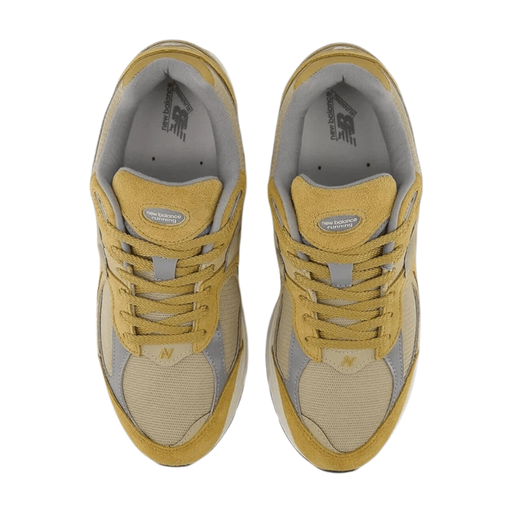
Why it suits this profile: A versatile trainer for anyone looking for one pair for everyday wear, walking and a sporty look. Its retro design goes well with casual clothes, without the need for a specialist running shoe.
The product information lists mesh, synthetic materials, rubber and two cushioning technologies. This lets you base your choice on specific material features rather than appearance alone.
ABZORB and N-ergy midsole, according to the product description; mesh with synthetic overlays; size 45.5.

Why it suits this profile: Designed for walkers and trail runners who regularly take on unpaved paths, wet grass and changing conditions.
Rather than simply promising “waterproof” performance, the product page specifies a GORE-TEX membrane, Contagrip outsole and 3D Advanced Chassis. Make sure the fit is right for your foot, though.
GORE-TEX membrane according to the product details; Quicklace fastening; Contagrip rubber sole, with reinforced toe and heel.
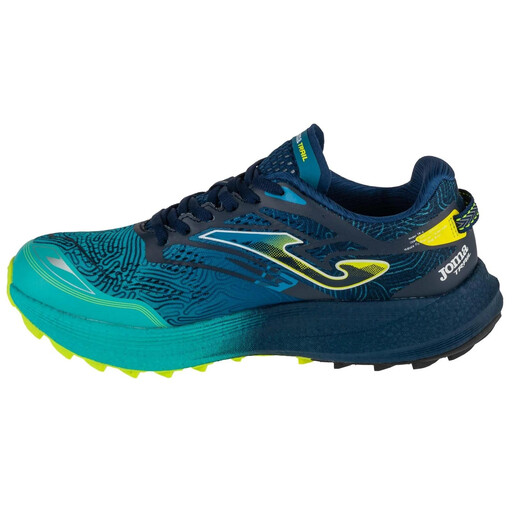
Why it suits this profile: An option for anyone who trains on trails and is looking for a shoe with a mesh upper, shock-absorbing EVA midsole and deeply treaded sole.
The specifications list more than just cushioning: they also mention a high-grip sole and reinforcements at the toe and heel. This makes it easier to assess whether the shoe is suitable for uneven routes.
Mesh upper with synthetic detailing; EVA midsole; rubber outsole with traction; regular fit in size 44.
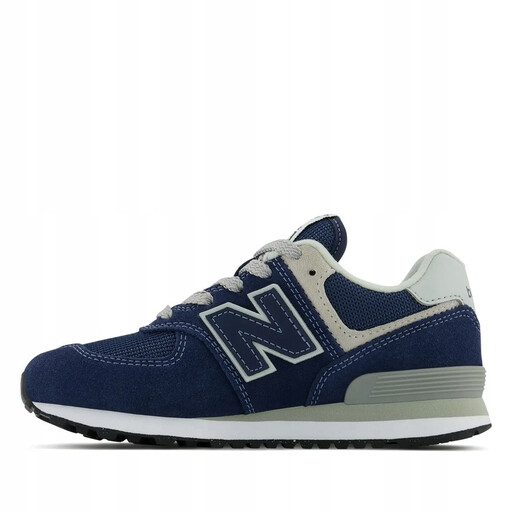
Why it suits this profile: These children’s shoes are designed for school, play and everyday wear. The hook-and-loop fastening makes them easy to put on and take off.
The product details list the material, sole type, fastening and size. This helps you check whether the shoe is suitable for your child’s daily routine.
Hook-and-loop fastening; EVA midsole; rubber outsole with tread; suede, synthetic material and mesh upper.
We’ve put together a full, up-to-date list of products that meet these strict selection criteria and comply with current European safety regulations.
Measure both feet in millimetres while standing and use the measurement of your longer foot. Compare it with the chart on the product page. Allow for socks and intended use: walking shoes are sometimes worn with thicker socks.
It depends on the material, distance walked, body weight, surface and care. Look for cracks in the upper, worn-smooth tread and a compressed midsole. Alternating between two pairs can give the materials time to air between wears, but it doesn’t replace checking for wear and tear.
Not necessarily. Comfort depends mainly on fit, size, sole and how you’ll use the shoes. A trail running shoe may feel unnecessarily stiff for everyday wear around town, while a lightweight trainer may not offer enough grip on muddy paths. So compare the specifications with how you plan to use them.
