
Vandaag of morgen in huis

Kwaliteit gegarandeerd

Welkomstaanbiedingen ontgrendelen: GRATIS bezorging | Tot 80% korting | Gratis 30 dagen JoyPlus-proefperiode
Download de app
Buying shampoo online may seem straightforward, but there is a huge range to choose from. Shampoo for dry hair serves a different purpose from silver shampoo, baby shampoo or clarifying shampoo. Terms such as “mild”, “natural” and “for hair loss” do not always tell the whole story either.
If you focus only on the front of the packaging, you may end up choosing a product that dries out your scalp, makes coloured hair look dull more quickly or simply is not suitable for everyday use. The following points will help you compare shampoos in a practical way.
Words such as “repair”, “growth”, “anti-dandruff” or “for hair loss” sound clear, but performance varies depending on the formula and the individual. A brand’s claims do not guarantee the same results for every user.
According to the product description for RYO Roy, the shampoo is intended to help reduce hair loss. This is a product claim made by the brand, not a medical guarantee. If you experience sudden or severe hair loss, itching or a painful scalp, it is sensible to consult a doctor or other healthcare professional.
Sulphate-free shampoo can be a good choice for coloured, dry or sensitive hair, but sulphates are not automatically unsuitable. They help remove sebum, styling-product residue and dirt. The right choice depends on the condition of your hair and how often you wash it.
So check the ingredients list. Sodium Laureth Sulfate, for example, is included in NIVEA Diamond Gloss Care Shampoo and Garnier Loving Blends Avocado Oil & Shea Butter. On its own, this does not tell you whether a product is right or wrong for you; also look at glycerine, oils, fragrance and conditioning polymers.
Silver shampoo is designed to neutralise unwanted yellow or brassy tones. Clarifying shampoo is intended to remove build-up from styling products, minerals or excess sebum. Neither type is necessary for every wash.
Follow the instructions on the packaging. The L’Oréal Professionnel Serie Expert Silver Shampoo, for example, states a processing time of 1 to 3 minutes. Leaving it on for too long can affect the colour result. Clarifying shampoo is generally used as an additional cleansing step, rather than automatically as your regular daily shampoo.
Start by choosing based on your main concern:
Check the full INCI list, preferably on the packaging. Glycerine can help leave hair feeling cared for and supple. Avocado oil, shea butter, argan oil and almond oil are often used in formulas for dry hair. Fragrance and fragrance allergens such as limonene, linalool or geraniol may be less suitable for some people.
A vegan shampoo also is not automatically fragrance-free or suitable for a sensitive scalp. According to the product information, Nuxe Sun After-Sun Hair & Body Shampoo is marketed as vegan and biodegradable, but it does contain fragrance.
Do not compare only the price of the bottle; consider its contents too:
Also consider the recommended amount. A richly lathering shampoo is not necessarily more economical; the amount you need depends on your hair length, thickness and the amount of product build-up.
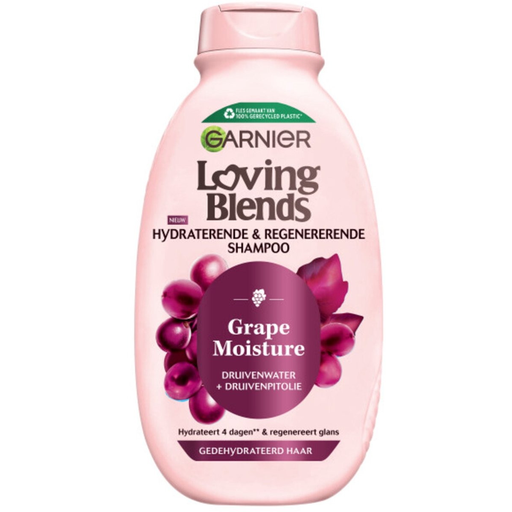
Why it suits this profile: An accessible choice for anyone looking for an everyday shampoo that leaves hair feeling conditioned and supple.
The product description clearly states a size of 300 ml and that it is intended for daily washing; check the current ingredients list if you are sensitive to fragrance.
300 ml contents; product information mentions grape extract and a soft, glossy finish.
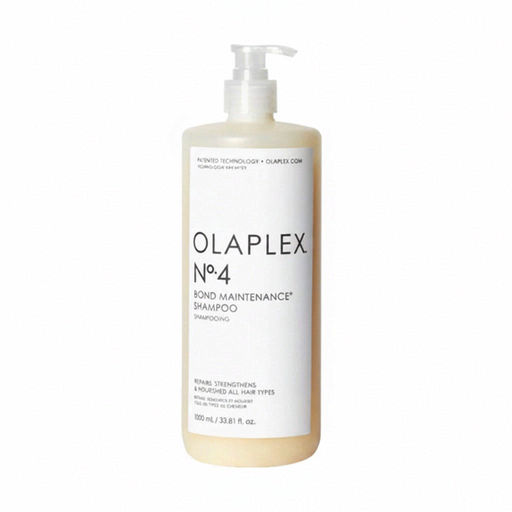
Why it suits this profile: A large bottle for anyone caring for damaged or coloured hair and following an established routine.
The product information states that it has a sulphate-free formula and is suitable for coloured hair. Always check the packaging and current ingredients when purchasing.
1,000 ml contents; according to the product information, vegan, sulphate-free and suitable for coloured hair.
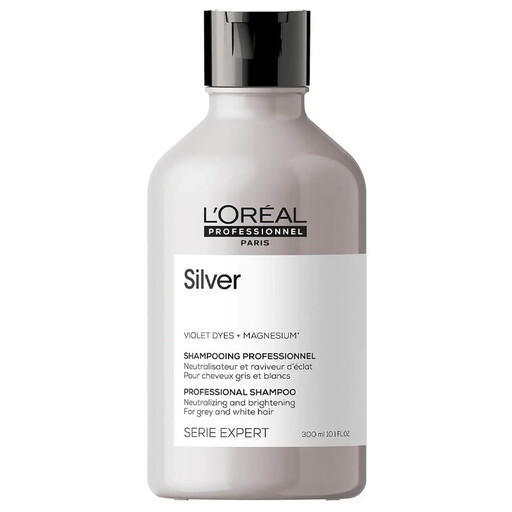
Why it suits this profile: Designed for grey, white or light blonde hair where you want yellow or brassy tones to be less visible.
The product description mentions violet pigments and a processing time of 1 to 3 minutes. This allows you to tailor its use more precisely than with an ordinary shampoo.
300 ml contents; intended for grey, white and light blonde hair; contains violet pigments according to the product information.
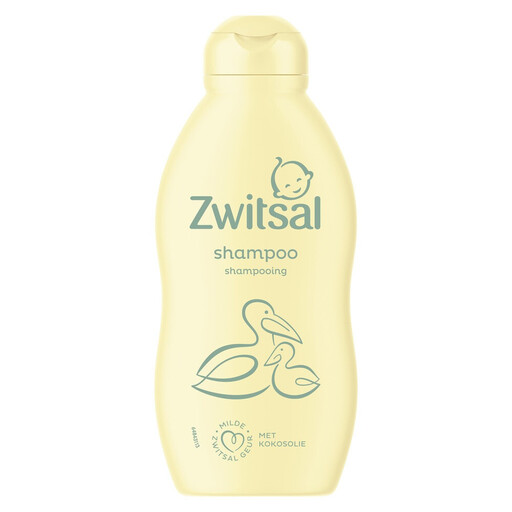
Why it suits this profile: A baby shampoo for parents looking for a product with a small dosage and an anti-sting formula.
The product information states that it contains 0% sulphate cleansers and can be used from birth. Always use under supervision and stop if redness or irritation occurs.
200 ml contents; anti-sting formula according to the product description; ingredients list includes glycerine, among other ingredients.
We have put together a complete, up-to-date list of products that fully meet these strict selection criteria and the applicable European safety regulations.
This depends on your scalp, hair length, sporting activities and styling products. An oily scalp may require more frequent washing, while dry or curly hair may sometimes benefit from washing less often. Only use clarifying shampoo when there is clear build-up or your hair starts to feel weighed down.
Look for shampoo for dry hair containing ingredients such as glycerine, argan oil, avocado oil or shea butter. Also pay attention to how your hair feels after washing. A formula that leaves hair feeling supple may be more practical than a shampoo with a high level of cleansing ingredients that leaves your scalp feeling tight.
According to a brand’s product description, shampoo for hair loss may contain ingredients intended to care for the hair and scalp. This does not guarantee that hair loss will stop or that new hair growth will occur. If symptoms persist or you notice bald patches or sudden changes, it is important to seek medical advice.
Check the best-before date, batch number and period-after-opening symbol on the packaging. Keep shampoo closed, at room temperature and out of direct sunlight. If the smell, colour or texture changes, or irritation develops, stop using the product.
