
Vandaag of morgen in huis

Kwaliteit gegarandeerd

Welkomstaanbiedingen ontgrendelen: GRATIS bezorging | Tot 80% korting | Gratis 30 dagen JoyPlus-proefperiode
Download de app
Buying shampoo online may seem straightforward, but products vary considerably in terms of ingredients, size and intended user. Shampoo for dry hair has different properties from shampoo for oily or curly hair. Terms such as “repairing”, “natural” and “mild” do not always tell the whole story either.
This practical guide focuses on the points that really matter: your hair type, the ingredients list, how often you use it and the bottle size.
Words such as moisturising, repairing and strengthening usually describe the purpose of a formula. They do not guarantee that damaged hair will be structurally repaired. Hair is made of keratin and cannot heal in the same way as skin tissue. However, shampoo can temporarily make your hair feel softer, smoother or easier to manage.
According to the product descriptions provided by various brands, ingredients such as argan oil, shea butter, aloe vera and keratin are used for hair care. So, assess the full formulation rather than just the front of the packaging.
A sulphate-free shampoo can be a good choice if you are looking for gentler cleansing or prefer to avoid certain ingredients. However, sulphates are cleansing agents and are not unsuitable for everyone. If you have oily hair, a more thorough cleanse may actually be preferable.
Silicones can make hair feel smoother, but some users prefer a silicone-free shampoo. Consider your own hair and routine. Someone who uses a lot of styling products may need a different level of cleansing from someone who only gives their hair light daily care.
A 550 ml bottle may seem good value, but it is not always convenient for a small bathroom, gym bag or travelling. A 250 ml pack is more compact, while 400 ml is often a practical middle size. Compare the price per 100 ml and consider how often you wash your hair.
Do not just look at individual ingredients shown on the front. Check whether the formula contains fragrance, colourants or known allergens if you are sensitive to them. For example, Andrelon Pro Nature Shea lists coumarin in its product information. This is relevant information for consumers who want to avoid fragrance allergens.
Also pay attention to the difference between a brand claim and a verifiable product specification. “94% ingredients of natural origin”, vegan, dermatologically tested or 100% biodegradable are properties that, according to the product description, apply to certain Andrelon formulas. Check the packaging for the latest information.
Common sizes in the range include:
A shampoo for daily use should primarily cleanse comfortably without leaving your scalp feeling tight. Wash with lukewarm water, massage mainly into the scalp and rinse thoroughly. The lengths usually need less shampoo than the roots.
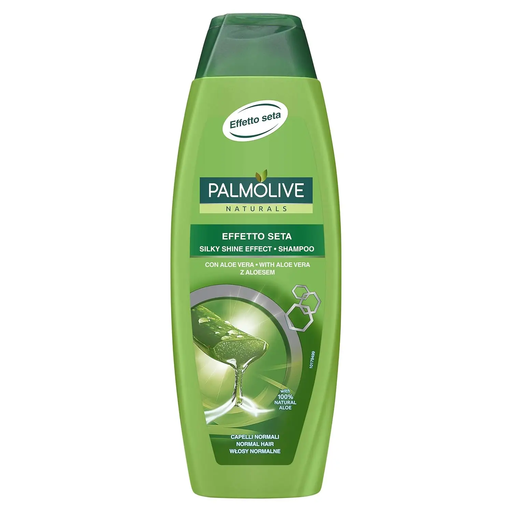
Why it suits this profile: The 350 ml size is a practical middle option. According to the product description, the aloe vera formula is suitable for frequent use and designed to leave hair feeling soft and shiny.
The product page clearly states the variant, size and usage instructions. You do not have to rely solely on the term “moisturising”.
350 ml, aloe vera as a named ingredient and intended for frequent use.
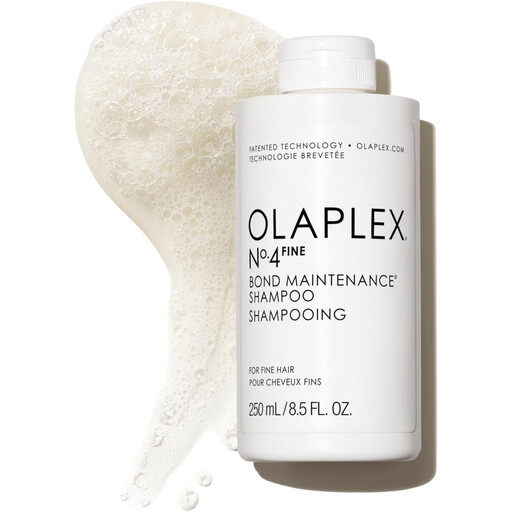
Why it suits this profile: According to the product information, this compact professional shampoo is vegan, colour-safe and suitable for chemically treated hair.
The product information names specific use cases instead of making only a broad claim for all hair types.
250 ml, vegan according to the product description and suitable for coloured or chemically treated hair.
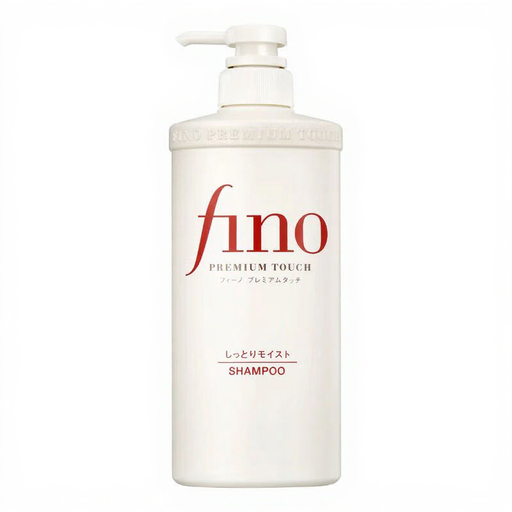
Why it suits this profile: The large pump bottle is well suited to regular use. According to the product description, the formula is intended for all hair types and damaged hair.
The size and pump packaging are clear from the outset, making it easier to estimate usage costs and storage requirements.
550 ml, pump bottle and a product description focused on hydration, care and damaged hair.
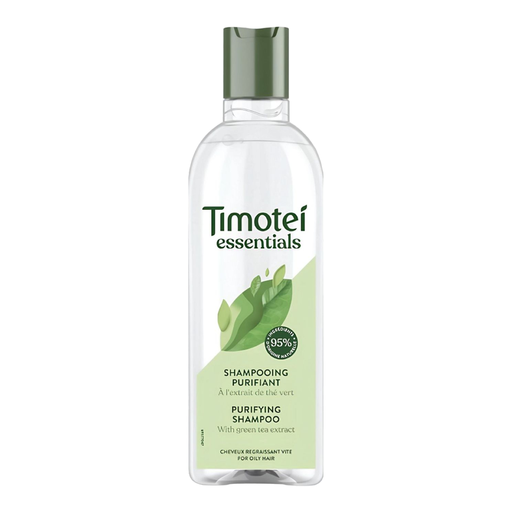
Why it suits this profile: According to the product information, this shampoo is intended for oily hair, daily use and a lightweight feel.
The target user and intended use are specified. This makes it a more targeted choice than a general shampoo with only a “fresh” claim.
400 ml, silicone-free according to the product description and green tea as a named ingredient.
We have put together a complete, up-to-date list of products that fully meet these strict selection criteria and the applicable European safety regulations.
Choose a formula containing nourishing or moisturising ingredients, and use conditioner on the lengths as well. For dry hair, aloe vera, glycerine, argan oil or shea butter may be worth considering. Product descriptions often mention proteins, keratin or quinoa for damaged hair. Always check that the fragrances and ingredients suit your personal preferences.
This depends on your scalp, hair length, sporting activities and styling products. Oily hair may need washing more often, while dry or curly hair may benefit from washing less frequently. A shampoo for daily use is not automatically suitable for every scalp. Adjust the amount you use and rinse thoroughly.
Follow the shelf-life and usage information on the packaging. After opening, look for the indicated period-after-opening symbol, often expressed in months. Store shampoo in a dry place, keep the bottle tightly closed and stop using it if its smell, colour or texture changes. If irritation occurs, stop using it immediately.
