
Vandaag of morgen in huis

Kwaliteit gegarandeerd

Welkomstaanbiedingen ontgrendelen: GRATIS bezorging | Tot 80% korting | Gratis 30 dagen JoyPlus-proefperiode
Download de app
Buying shampoo online may seem straightforward, but the sheer choice can make comparisons difficult. A product may be marketed as moisturising, repairing or suitable for hair loss, while its ingredients and contents vary considerably. If you focus only on the brand name, packaging or discount, you may end up paying for a formula that is not well suited to your own hair.
This buying guide helps you focus on verifiable information: hair type, scalp, ingredients, contents and intended use. That way, you can find the right shampoo for dry hair, shampoo for damaged hair, anti-dandruff shampoo or a practical shampoo deal.
Words such as “repair”, “growth” and “100% dandruff-free” sound clear, but the effect depends on the formula, the condition of your hair and how often you use the product. Performance claims come from the brand and should not automatically be regarded as guaranteed results for every user.
According to the Head & Shoulders product description, Classic Anti-Dandruff is presented as a formula that helps remove dandruff and prevent it from returning when used regularly. This is a brand claim, not a guarantee for every user. If scalp problems persist, shampoo is not a substitute for professional advice.
A small bottle may seem cheap, but a shampoo multipack or salon-size bottle may work out cheaper per 100 ml. When comparing products, consider:
A large size is particularly practical for families, salons or people who already know that the formula suits their routine. For a new shampoo, a 250 to 400 ml bottle may be the wiser choice.
A sulphate-free shampoo may appeal to people looking for gentler cleansing or who want to strip less oil from their hair. However, being sulphate-free does not in itself mean that a product is suitable for every scalp. Fragrance, oils, preservatives and other ingredients may also be relevant.
Always check the current ingredients list on the packaging. Brands can change their formulas. For example, L’Oréal Elvive Glycolic Gloss Shampoo is described as sulphate-free in the product information, while other shampoos in the range do contain cleansing sulphates.
First, choose based on your main need:
A shampoo for oily hair is not necessarily suitable for dry lengths. You can apply the shampoo mainly to your scalp and use conditioner through the lengths.
Read the INCI list on the packaging. Ingredients are listed in descending order of concentration, with exceptions for substances present in low quantities. Look out for:
Be particularly cautious about expectations with products marketed for hair loss. Some By Mi Cica Peptide Anti Hair Loss Derma Scalp Shampoo and Lucovitaal Shampoo for Hair Loss are offered, according to their product descriptions, for hair that appears thinner or is falling out. These descriptions are not a medical guarantee. If you experience sudden or significant hair loss, it is sensible to consult a doctor.
A 1,000 or 1,500 ml pump bottle is handy when several people use the same shampoo. A 95 ml travel size is better suited to hand luggage or trying out a formula first. Also check the instructions for use: some products require a brief massage, while others recommend a longer massage or a second wash.
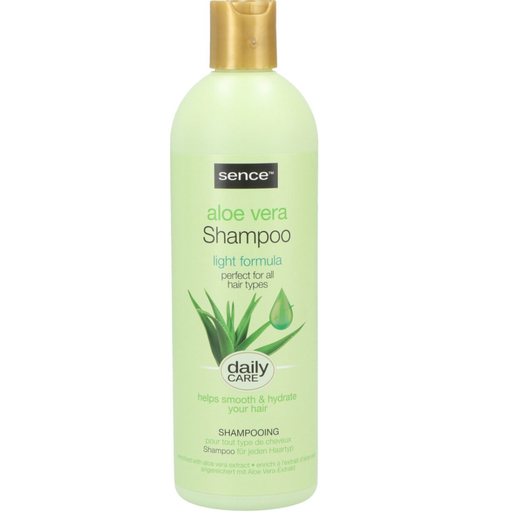
Why it suits this profile: A manageable 400 ml bottle for anyone wanting to try shampoo for dry hair without immediately buying a large size.
The product information clearly states the Aloe Vera variant and the contents. Do not expect medical benefits; compare the current ingredients list on the packaging.
400 ml contents; Aloe Vera variant; according to the product description, intended for dry and damaged hair.
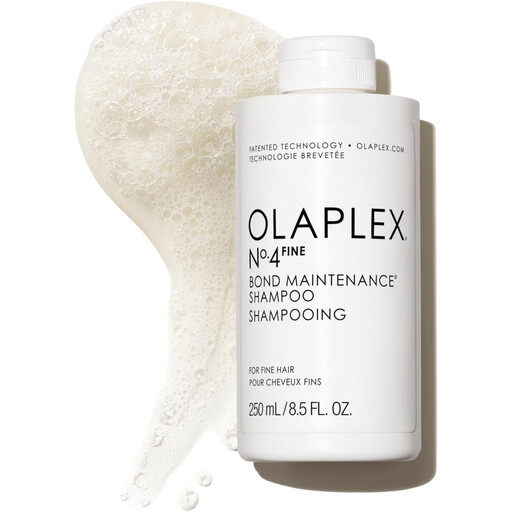
Why it suits this profile: A compact choice for anyone looking to care specifically for damaged, treated or fine hair and who values a professional shampoo.
The product information specifies, among other things, that it is vegan, colour-safe and suitable for chemically treated hair. Check the current packaging before buying.
250 ml; according to the product description, designed for gentle cleansing and to help care for damaged hair; dermatologically tested according to the stated product specification.
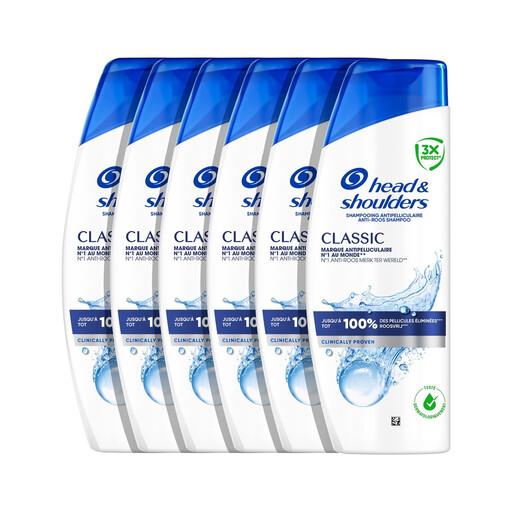
Why it suits this profile: A shampoo multipack for families or households where anti-dandruff shampoo is used regularly.
The packaging states the bottle size and total number of units separately. The formula is not sulphate-free; this is also stated in the product specifications.
6 bottles of 250 ml; 1,500 ml in total; piroctone olamine is included in the ingredients list.
We have put together a complete, up-to-date list of products that fully meet these strict selection criteria and the applicable European safety regulations.
First, wet your hair thoroughly and use a small amount. Apply the shampoo mainly to your scalp and massage it in with your fingertips. Rinse thoroughly. If you have dry, long or damaged hair, apply conditioner mainly through the lengths.
Use anti-dandruff shampoo according to the instructions on the packaging. Alternating between a specific formula and a regular shampoo can be practical, but stop using it if irritation occurs. Avoid contact with the eyes and check the warnings for children.
Look for a moisturising or repairing shampoo containing conditioning ingredients such as glycerine, oils, proteins or panthenol. Do not automatically choose the richest formula: it may leave fine hair feeling limp. Products such as Sence Aloe Vera, Syoss Intense Oleo and L’Oréal Absolut Repair are examples with different contents and compositions. Compare the ingredients list and use conditioner if needed.
Check the shelf-life information on the packaging. Many cosmetics also display a symbol such as 12M, which refers to the recommended period after opening. Keep shampoo closed, dry and out of direct sunlight. A shampoo deal or large bottle is only good value if you use it within that period.
Not necessarily. “Professional” often refers to positioning, formula or salon size, but the right choice depends on your hair and scalp. Check the instructions for use, contents and ingredients. A 1,500 ml bottle is practical for intensive use, but less suitable if you want to try the formula first.
