
Vandaag of morgen in huis

Kwaliteit gegarandeerd

Welkomstaanbiedingen ontgrendelen: GRATIS bezorging | Tot 80% korting | Gratis 30 dagen JoyPlus-proefperiode
Download de app
Buying shampoo seems straightforward until you have to choose between dozens of varieties for dry, damaged, oily, curly or coloured hair. Marketing terms such as “repair”, “volume” and “natural care” do not always tell you what you are actually getting. The right choice therefore starts with your scalp, your hair lengths and the ingredients list.
Words such as “against hair loss”, “repairing” or “anti-dandruff” often describe a product’s intended purpose, but they do not guarantee a personal result. According to brands’ own information, certain formulas may help care for the hair or scalp. That is different from having a medical effect.
When buying shampoo for hair loss, it is sensible to read the product description, instructions and warnings. If symptoms persist or are particularly noticeable, consumers should seek advice from a doctor or another qualified healthcare professional.
A product containing many ingredients of natural origin may still contain perfume or fragrance allergens. For example, Andrelon Pro Nature Shea Shampoo states that it contains 94% ingredients of natural origin and includes coumarin. Always check the current ingredients list on the packaging, particularly if you have a sensitive scalp or known allergies.
A 1,500 ml bottle may seem like good value, but it is most practical when you wash your hair frequently, share it with several people or are looking for a professional shampoo for salon or home use. For occasional use, a 250 to 400 ml bottle may be more convenient. Compare the price per 100 ml and check whether a pump is included. For example, the 1,500 ml L’Oréal Professionnel Pro Longer bottle states that the pump is not included.
You can have an oily scalp and dry ends. In that case, do not use a strongly cleansing shampoo along the full length of your hair without considering the consequences. Focus on massaging shampoo into the scalp, and let the lather run through the lengths as you rinse.
Use this classification as a starting point:
A sulphate-free shampoo uses different cleansing agents from, for example, sodium laureth sulphate or sodium lauryl sulphate. Some consumers choose sulphate-free products because their hair or scalp responds more comfortably to them. Others prefer a more strongly foaming cleanse, for example when using a lot of styling products.
A silicone-free shampoo contains no silicones such as dimethicone. Silicones can make the hair feel smoother, but they do not suit every haircare routine. According to the manufacturer, Andrelon Pro Nature Shea Shampoo contains 0% sulphates and silicones. Check the current packaging, as formulations can change.
Pay attention to:
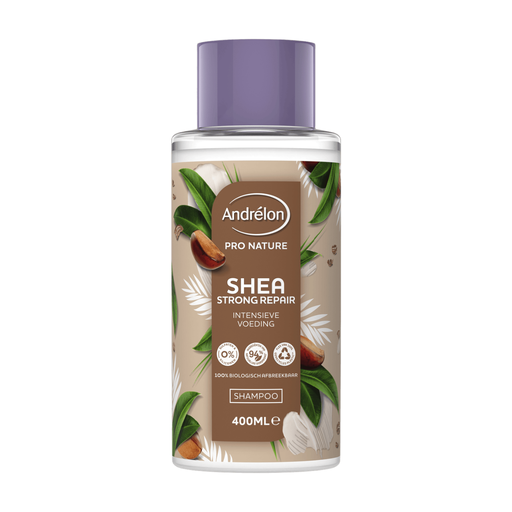
Why it suits this profile: The 400 ml bottle is attractively priced and the product information focuses on nourishing and caring for the hair. According to Andrelon’s own information, the formula contains 94% ingredients of natural origin.
The product details clearly specify 400 ml, a shea butter fragrance and 0% sulphates and silicones, rather than making only a general care claim.
400 ml; sulphate- and silicone-free formula according to the product information; vegan and dermatologically tested according to the listed product specifications.
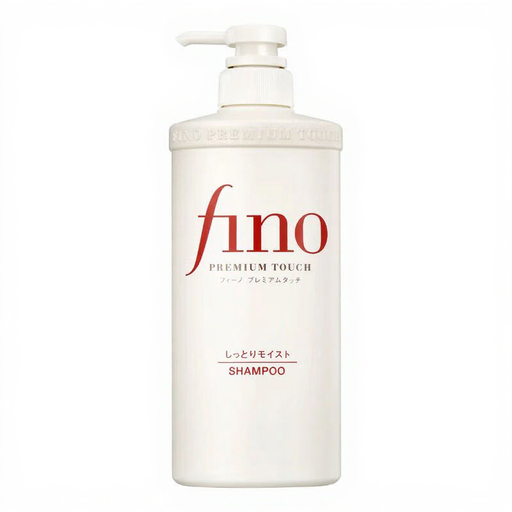
Why it suits this profile: This variant contains 550 ml and, according to the product information, is intended for all hair types, including damaged hair. The packaging comes with a pump.
The ingredients list includes squalane, PCA and dimethicone, among others. This means you can assess in advance whether these conditioning and smoothing ingredients suit your routine.
550 ml; pump dispenser; suitable for all hair types and dermatologically tested according to the product specifications.
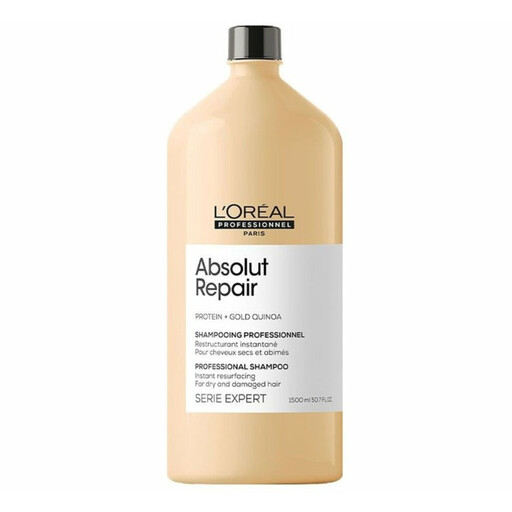
Why it suits this profile: The large bottle is designed for long-term use at home or in a salon. The product details list damaged hair as a target use and golden quinoa and protein among the ingredients.
The 1,500 ml volume makes it a practical, verifiable choice for intensive use. However, bear in mind the larger format and the fact that no pump is included.
1,500 ml; professional product range; intended for damaged hair according to the product specifications.
We have put together a complete, up-to-date list of products that fully meet these strict selection criteria and the applicable European safety regulations.
That depends on your scalp, exercise and styling routine, and the amount of sebum your scalp produces. A shampoo for daily use can be practical, but washing more frequently is not automatically necessary. Use a small amount, gently massage it into the scalp and rinse thoroughly.
Not necessarily. Sulphate-free shampoo may be suitable if you want to avoid sulphates or are looking for a gentler cleanse. However, check whether the alternative cleansing agents and fragrances suit you. A sulphate-free formula does not automatically cleanse better or more gently for every consumer.
Look at the combination of hair type, scalp type and ingredients. Shampoo for dry hair often contains conditioning ingredients such as oils, glycerine or butters. For damaged lengths, proteins and amino acids may be worth considering. Also use a conditioner and limit heat styling if your hair breaks easily. Expect shampoo mainly to cleanse and provide a temporary cosmetic conditioning effect, rather than permanently repairing split ends.
