
Vandaag of morgen in huis

Kwaliteit gegarandeerd

Welkomstaanbiedingen ontgrendelen: GRATIS bezorging | Tot 80% korting | Gratis 30 dagen JoyPlus-proefperiode
Download de app
Buying shampoo seems simple until you have to choose between baby shampoo, shampoo for a sensitive scalp, anti-dandruff shampoo and formulas for dry, oily or damaged hair. Attractive packaging or a claim such as “natural” does not always tell you enough about the formula. If you focus only on marketing terms, you may choose a product that is not right for your scalp, hair or washing routine.
A daily shampoo can work well for normal hair, but a sensitive scalp may react differently to fragrance, certain cleansers or preservatives. Always check the full ingredients list rather than just the front of the bottle.
For babies and young children, the age guidance, supervised use and a tear-free formula are important. An adult shampoo is not automatically suitable as a baby shampoo.
Ingredients such as aloe vera, shea butter and argan oil may sound appealing, but on their own they do not tell you how a shampoo will work for your hair. Natural fragrances can also be undesirable for some people. Look at the combination of cleansers, conditioning ingredients, fragrance and any warnings.
Claims about shine, repair, hydration or dandruff control are also brand claims. A brand’s own research may report certain results, but the outcome may not be the same for every hair type.
A 400 ml shampoo may seem better value than a 200 ml bottle, but usage depends on the length and thickness of your hair and how often you wash it. A 1-litre pump bottle is practical for a family, but less convenient for travelling or when you want to try a formula first.
Sulphate-free shampoo does not contain sulphate cleansers such as SLES or SLS. This can suit people looking for gentler cleansing or who want to avoid stripping too much oil from their hair. However, sulphates are not automatically unsuitable: with oily hair, more thorough cleansing may be preferable.
Also note the difference between sulphate-free and silicone-free. Silicones can make hair feel smoother, while silicone-free shampoo is often chosen for a lighter or more natural feel. Neither feature on its own determines whether a product is suitable.
Common sizes include 200 ml shampoo, 300 ml shampoo, 400 ml shampoo and larger bottles. A small bottle is useful for trying a product first or taking it with you. For daily use by several people, a larger bottle may be the more practical choice.
If information conflicts, always check the packaging. For some product listings, volume details may differ between the title and description. The label contains the most up-to-date information about volume, shelf life, ingredients and use.
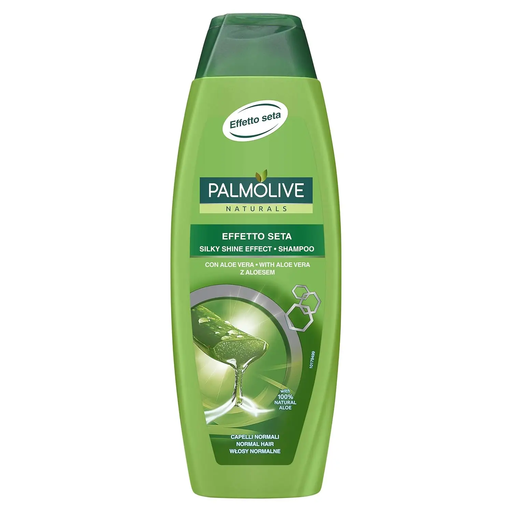
Why it suits this profile: A convenient size for anyone looking for a moisturising shampoo with aloe vera for regular use.
The product information clearly states the 350 ml volume and intended use, so you do not have to rely solely on a vague conditioning claim.
Aloe vera is listed as a variant; suitable for frequent use according to the product description; 350 ml volume.
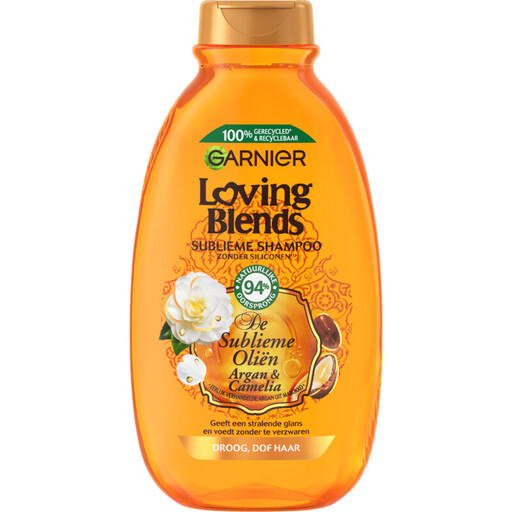
Why it suits this profile: For adults with dry, dull hair who value nourishing oils and a silicone-free formula.
The description mentions both the silicone-free formula and its target hair type: dry and dull hair. However, check the label for fragrance allergens.
Argan oil and camellia oil are included in the ingredients list; 300 ml volume; according to the product information, 94% ingredients of natural origin.
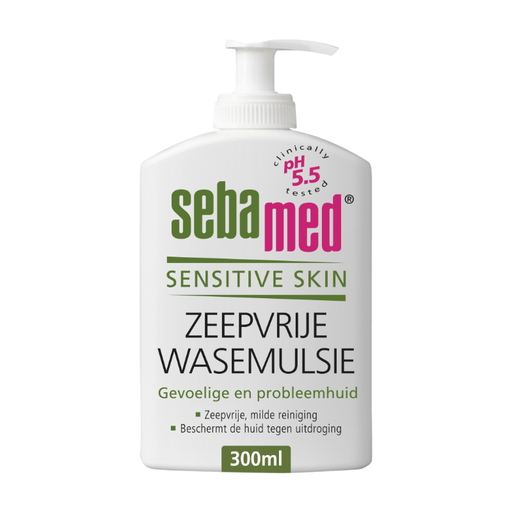
Why it suits this profile: A large pump bottle for households, sports enthusiasts or people who wash their hair frequently.
The pump makes it easier to dispense the right amount, so a large bottle does not automatically lead to waste. Check the ingredients if you have known allergies.
1,000 ml volume; pump bottle; decyl glucoside and other cleansing ingredients according to the product list.
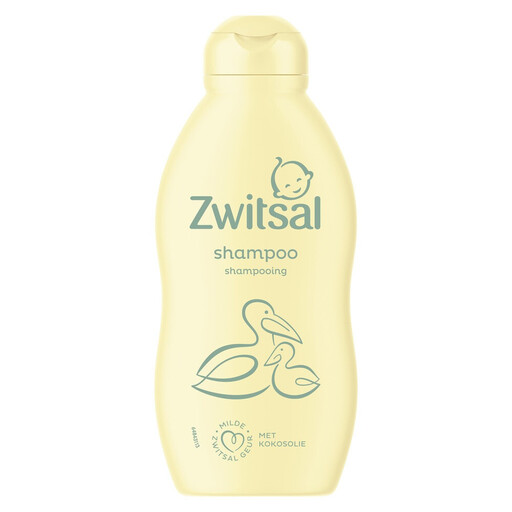
Why it suits this profile: A compact size for babies from birth, with a formula that has been dermatologically tested according to the product information.
The product information states 0% SLES, a tear-free formula and use from birth. Always use under supervision and follow the warnings on the packaging.
200 ml volume; coconut oil in the formula; according to the manufacturer, gentle on the scalp and dermatologically tested.
We have put together a complete, up-to-date list of products that fully meet these strict selection criteria and the applicable European safety regulations.
In general, use a small amount and focus on distributing the shampoo over your scalp. The lengths will be cleansed naturally as you rinse. Long or thick hair may need a second small wash. Rinse thoroughly and, if necessary, pair a nourishing shampoo for dry hair with conditioner through the lengths.
Store the bottle according to the instructions on the packaging. When trying a new product, check the ingredients and stop using it if you experience redness, itching or other irritation. If scalp problems persist, seeking advice from a doctor or pharmacist is wiser than repeatedly trying a different shampoo.
Choose a formula that the product information states is suitable for frequent or daily use and that matches your scalp. A cleansing shampoo may suit oily hair, while a gentler, moisturising shampoo is often more appropriate for dry hair. Do not automatically wash your hair more often just because it feels greasy quickly.
Check the expiry date or the period after opening on the packaging. Store shampoo in a cool, dry place away from direct sunlight. If the smell, colour or texture changes, stop using the product.
Not necessarily. Compare the price per 100 ml and consider how much you use. A 200 ml bottle is useful for trying a product first, while a 400 ml bottle may be better suited to everyday use. For a family or intensive users, a 1-litre bottle can be practical, provided you already know the formula.
