
Vandaag of morgen in huis

Kwaliteit gegarandeerd

Welkomstaanbiedingen ontgrendelen: GRATIS bezorging | Tot 80% korting | Gratis 30 dagen JoyPlus-proefperiode
Download de app
Buying shampoo seems simple until you have to choose from dozens of formulas for dry, oily, damaged or coloured hair. A high price or eye-catching packaging says little about whether a product is right for your hair. The right choice starts with your scalp, hair lengths and the ingredients list.
Terms such as “repairing”, “strengthening” and “anti-hair loss” sound clear, but they can have different meanings. According to a brand’s product description, for example, a shampoo may help reduce breakage, enhance shine or leave hair feeling well cared for. That is not the same as a medical effect or guaranteed hair growth.
So check:
Extra care is needed with anti-hair-loss shampoo. A cosmetic product may be intended to care for the hair and scalp, but it is not a substitute for medical advice in cases of sudden or persistent hair loss.
A sulphate-free shampoo can feel pleasant on coloured, dry or sensitive hair, but sulphates are not automatically unsuitable. They help remove oil, styling residue and dirt. If you have an oily scalp, you may actually need a more thorough cleanse.
“Natural”, “vegan” and “mild” are not complete buying criteria either. A shampoo bar may be plastic-free and vegan, for example, but still not suit every scalp. Always check the full ingredients list rather than just the front of the packaging.
A 1000 or 1500 ml shampoo bulk pack can be useful for a family or salon. However, a smaller bottle is a wiser choice if you are not yet familiar with the formula. A product that weighs down your hair or irritates your scalp will result in more waste when bought in a large size.
As well as the volume, consider the packaging, dosage and shelf life after opening. A pump bottle is practical in a salon, while a compact bottle may be more convenient at home or when travelling.
Choose your shampoo according to the issue you want to address:
Ingredients are generally listed in descending order by quantity. Cleansing agents such as Sodium Laureth Sulfate, Sodium Lauryl Sulfate or milder surfactants partly determine how thoroughly a shampoo cleanses. Glycerine, panthenol, oils and conditioners can help leave hair feeling softer.
A silicone-containing formula is not automatically a bad choice. Silicones can make hair feel smoother, although some users prefer a silicone-free shampoo because of their routine or styling preferences. So consider the overall effect on your hair rather than focusing on a single ingredient.
For everyday family use, 250 to 400 ml bottles or multipacks are practical. A salon may get better value from 1000 or 1500 ml, provided the shampoo suits most clients and is dispensed hygienically.
A 70-gram shampoo bar takes up little space and eliminates the need for a plastic bottle. On the other hand, you need to keep the bar dry and may need time to get used to applying it. For a fair comparison, calculate the price per 100 ml or per gram.
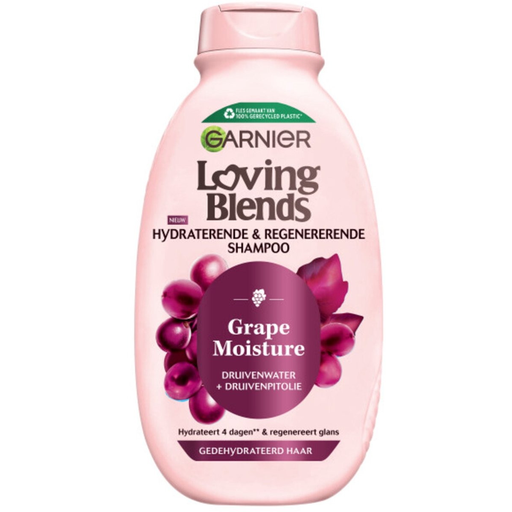
Why it suits this profile: An accessible size for anyone looking for a mild shampoo for everyday use and wanting to try a smaller bottle first.
The product information highlights hydration, softness and everyday use, without requiring you to buy a salon-size bottle straight away.
300 ml volume; according to the product description, suitable for everyday use and a soft, shiny appearance.
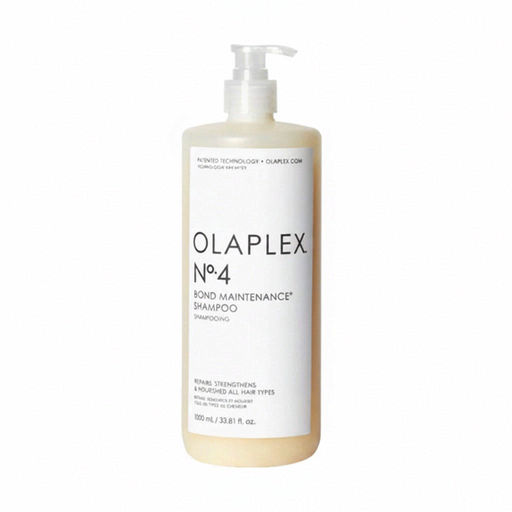
Why it suits this profile: An appealing choice for users with damaged or coloured hair who want a large bottle and a sulphate-free formula.
The product details explicitly mention colour-safe and sulphate-free. Check the current packaging if you are sensitive to fragrance or specific ingredients.
1000 ml volume; according to the brand description, moisturising and designed to help reduce hair breakage.
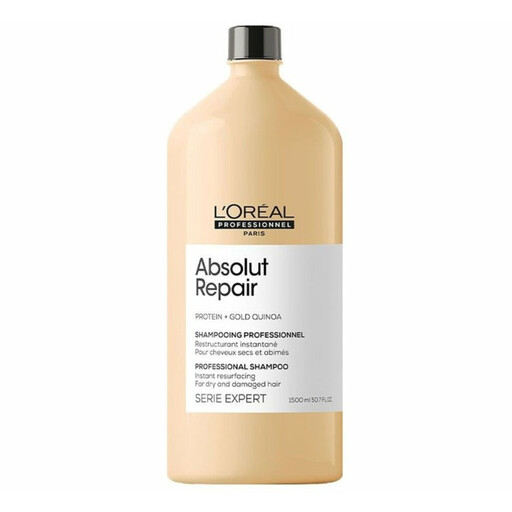
Why it suits this profile: A salon-size bottle for households with several users, hairdressers or intensive routines for damaged and chemically treated hair.
The volume and intended use are clearly specified. However, note that this formula contains sulphates, silicones and fragrance, so it will not suit every preference.
1500 ml volume; according to the product description, intended for damaged hair and containing quinoa extract and proteins.
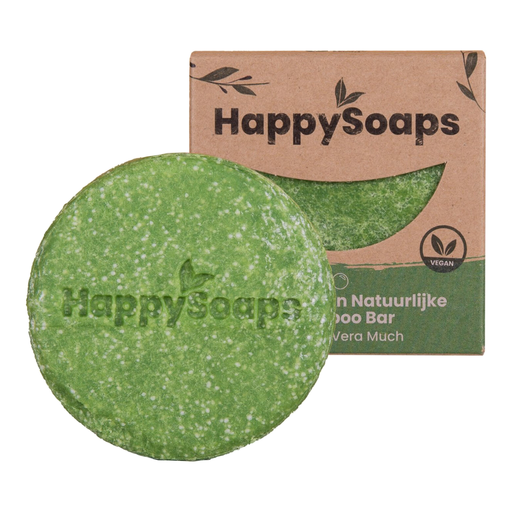
Why it suits this profile: Suitable for adults who want to try a shampoo bar for normal, oily or damaged hair.
The product information states that the packaging is 100% plastic-free and that the formula is vegan. Keep the bar dry to avoid using it up unnecessarily quickly.
70 gram; according to the product details, vegan, paraben-free and intended to moisturise and care for the hair.
We have put together a complete, up-to-date list of products that fully meet these strict selection criteria and the applicable European safety regulations.
Wet your hair thoroughly before applying shampoo. Use a small amount and work it mainly into the scalp. The lengths are usually cleansed sufficiently as the lather runs through them. Rinse thoroughly and, if your hair is dry or damaged, consider applying a conditioner or mask to the lengths.
Wash your hair as often as your scalp requires. A shampoo for oily hair may be suitable for more frequent washing, while an intensely nourishing formula can feel heavy more quickly on fine hair. Try a new shampoo for several washes and watch out for itching, redness, flaking or a tight feeling.
Start with your scalp, then choose a formula for the lengths. For a dry scalp or dry hair, look for moisturising ingredients. With an oily scalp, cleansing properties are more important. For coloured hair, check colour protection and whether the formula contains sulphates. If you are unsure, start with a smaller pack.
That depends on the amount used per wash, your hair length and the number of users. A 300 ml bottle can last an individual from several weeks to several months. A 1000 or 1500 ml pack makes most sense for families or salons. Compare the price per 100 ml and avoid using too much.
No. Sulphate-free is a product specification, not a universal measure of quality. It may suit people looking for a milder cleanse or a formula for coloured hair. If you use a lot of styling products or have an oily scalp, you may actually prefer a more powerful cleansing shampoo. Always check the full ingredients list and how your own hair and scalp respond to the product.
