
Vandaag of morgen in huis

Kwaliteit gegarandeerd

Welkomstaanbiedingen ontgrendelen: GRATIS bezorging | Tot 80% korting | Gratis 30 dagen JoyPlus-proefperiode
Download de app
Buying shampoo online might seem straightforward, but the sheer range of options makes it surprisingly difficult to compare. A formula designed for dry hair can feel too heavy on fine hair, while a shampoo for oily hair can be unnecessarily drying. Even terms like "natural", "restorative" and "shine" only really mean something once you look at the product details and ingredients.
With this practical checklist, you'll be able to see more quickly which shampoo suits your hair type, washing routine and personal preferences.
Words like "hydrating", "nourishing" or "restorative" are marketing descriptions. They don't always tell you how your hair will actually react to the formula. So, always check what the product is intended for according to the product information:
Don't take a brand's claim about performance as a guaranteed result. For example, according to a brand's own research, certain effects may have been measured in an instrumental test. That doesn't automatically mean everyone will have the same experience.
A clarifying shampoo is designed to remove residue from styling products, oils and other build-up more thoroughly. That can be useful when your hair feels heavy, but such a formula isn't necessarily right for every wash.
If you wash your hair every day, it's better to look for a product that is explicitly marketed as a daily shampoo. Also, pay attention to the cleansing ingredients, such as Sodium Laureth Sulfate, glucosides or betaines. No single ingredient determines whether a shampoo is suitable; the complete formula and how your hair feels after washing are far more important.
A shampoo without silicones, fragrance or colourants can suit a specific preference. That doesn't automatically make the formula right for every hair type. Always check the ingredients list and look out for any known sensitivities.
A fragrance-free shampoo like Neutral Shampoo Normal, for example, is aimed at scent-free, simple cleansing. Other products contain fragrance or fragrance allergens. Even a claim like vegan shampoo should be checked in the product information, as this can vary between different variants.
First, decide what you want to improve:
The ingredients list is in descending order of quantity. An ingredient at the top is therefore present in a larger amount than one at the bottom. Also look out for:
Stop using the product if irritation develops and follow the instructions on the packaging.
A 300 ml bottle is handy for a first purchase or if you want to try out different formulas. A 400 ml pack often suits regular use. A 1-litre shampoo, such as Sebamed Daily Shampoo 1L + Pump, is particularly practical when several people are using the same variant.
Don't just compare the price per bottle, but also the volume:
A larger pack isn't better value if the formula doesn't suit your hair.
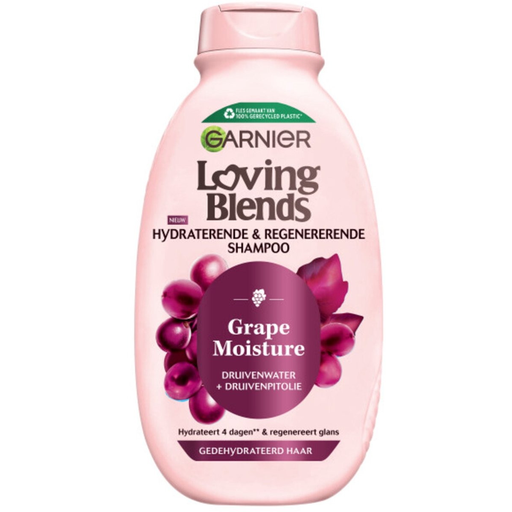
Why this fits the profile: The 300 ml size is manageable when you want to try a hydrating shampoo without committing to a large bottle straight away. According to the product description, the formula is designed to leave hair feeling soft and supple.
The product information mentions daily use and a mild formula. Do check the current ingredients list for fragrance and other components before purchasing.
300 ml; focused on hydration, softness and shine according to the product description.
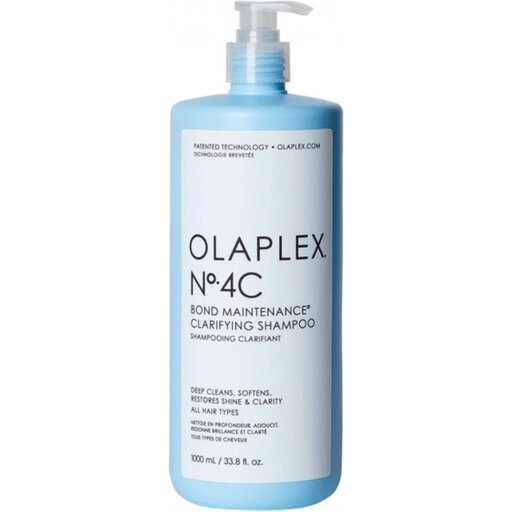
Why this fits the profile: The 1-litre pack is practical if you regularly use styling products and want to incorporate a clarifying shampoo into your routine. According to the product information, this variant is designed for deep cleansing.
Don't automatically use a clarifying shampoo with every wash. Adjust the frequency based on product build-up and how your hair feels.
1000 ml; according to the product information, vegan and free from sulphates and parabens.
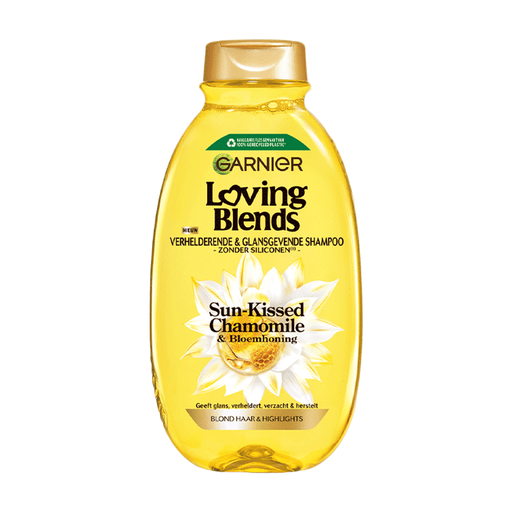
Why this fits the profile: According to the product description, this variant is designed for naturally blonde hair, highlights and various blonde hair types. That makes it more targeted than a general daily shampoo.
You choose based on hair type rather than just a general shine claim. According to Garnier's own research, a test was carried out after using shampoo and conditioner; the result is therefore not solely attributable to the shampoo.
300 ml; developed for blonde hair and highlights; chamomile and blossom honey are mentioned in the product information.
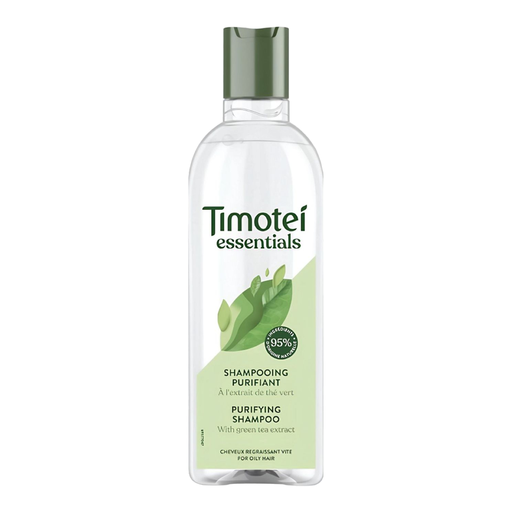
Why this fits the profile: The product information mentions a formula for oily hair, green tea, 400 ml volume and a silicone-free composition.
The variant is clearly linked to oily hair, so you're less likely to choose a heavy, nourishing shampoo that doesn't suit your scalp's needs.
400 ml; silicone-free according to the product information; focused on cleansing and a light feel.
We've put together a full, up-to-date list of products that fully meet these strict selection criteria and comply with current European safety regulations.
Look for a hydrating shampoo or nourishing shampoo with ingredients like glycerine, argan oil, avocado oil or shea butter. A formula for oily hair is usually less suitable when your lengths feel dry. If you have both an oily scalp and dry ends, don't automatically use a heavy shampoo all over your lengths.
That depends on your styling products, hair texture and washing routine. Use a clarifying shampoo when your hair feels visibly heavy or dull due to build-up, but not as a standard part of every wash. Follow the usage instructions on the packaging and consider combining it with a conditioner on the lengths.
A 1-litre shampoo can be better value per millilitre, but only if you like the formula and use it regularly. Compare the price per 100 ml, check the expiry information on the packaging and consider the storage space needed. For a first try, a 250 ml or 300 ml shampoo is often more practical.
