
Vandaag of morgen in huis

Kwaliteit gegarandeerd

Welkomstaanbiedingen ontgrendelen: GRATIS bezorging | Tot 80% korting | Gratis 30 dagen JoyPlus-proefperiode
Download de app
Buying shampoo online might seem straightforward, but the sheer range of options makes it surprisingly difficult to compare. A low price doesn’t tell you much about what’s inside, and a flashy label like “natural”, “repairing” or “volume” doesn’t automatically mean the formula is right for your hair. Even a value pack can be impractical if you don’t use the product often, or if you go off the scent after a while.
That’s why, as a Joybuy Product Recommendation Officer, I focus on verifiable information: ingredients, target audience, usage advice, volume and packaging. This way, you won’t end up relying on marketing claims alone.
Words like “repair”, “more volume” and “colour protection” usually describe a product’s intended purpose. They’re no guarantee that every hair type will respond the same way. According to Gliss-Kur’s own product information, the claim about reduced hair breakage is linked to use alongside conditioner. So, when choosing a shampoo for damaged hair, it’s wise to also look at the matching care products, not just the bottle.
A natural shampoo may contain plant extracts or ingredients of natural origin, but that doesn’t tell you everything about its cleansing power or fragrance. Always check the ingredients list. Andrelon Pro Nature Bamboo, for example, states 94% ingredients of natural origin and a sulphate-free, silicone-free formula. Those are far more concrete details than just the word “nature”.
An 800 ml bottle or a multi-pack of six bottles might look like a bargain, but compare the price per 100 ml and think about how often you actually use the product. A value pack of shampoo is best suited to households that use the same variant regularly. For occasional use, a 200 to 400 ml bottle is often more practical.
Start by choosing based on your main need:
If you’re looking for a sulphate-free shampoo, you need to check the ingredients list rather than just the front of the bottle. Andrelon Pro Nature Bamboo, Shea and Coconut all state a formula without sulphates and silicones. In contrast, several Palmolive and Garnier variants contain sodium laureth sulphate.
Also pay attention to fragrance and scent allergens such as limonene, linalool or coumarin. These substances aren’t problematic for everyone, but they can be relevant if you have a sensitive scalp. Product information and packaging can change, so always check the current label before use.
A bigger bottle isn’t automatically better value. Compare:
Dry shampoo works differently from regular shampoo. Andrelon Fresh & Pure Dry Shampoo is designed to give a fresher feel between washes. According to the instructions, you should spray it about 20 centimetres from the roots, leave it for two minutes and then brush it out. It doesn’t replace a normal wash.
For babies and young children, a baby shampoo with an appropriate age indication is important. Naïf Nourishing Shampoo for Babies & Kids is, according to the product information, developed for babies, toddlers and children, and contains no SLS/SLES or parabens. Avoid contact with the eyes and always follow the label.
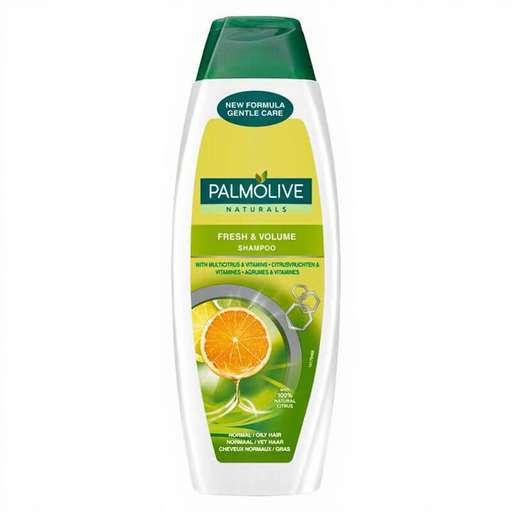
Why this fits the profile: A straightforward 350 ml bottle for anyone looking for a daily shampoo with a fresh, volumising aim.
The volume and ingredients are clearly stated, so you’re not relying solely on the term “volume”.
350 ml volume; formula with citrus extract and cleansing ingredients.
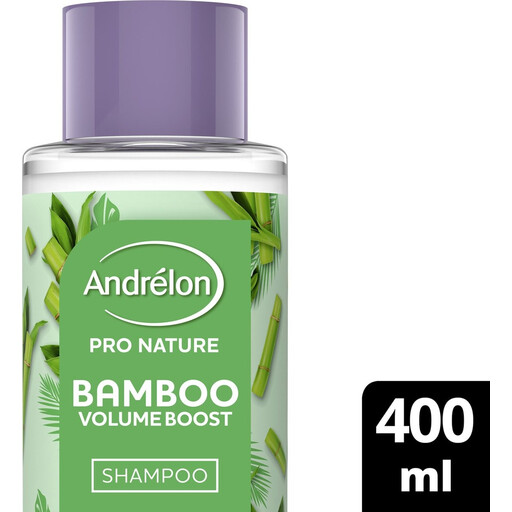
Why this fits the profile: For those who value a sulphate-free, silicone-free and vegan formula with a volumising variant.
The product information lists concrete features rather than just a vague natural positioning.
400 ml; 94% ingredients of natural origin according to the product information; vegan.
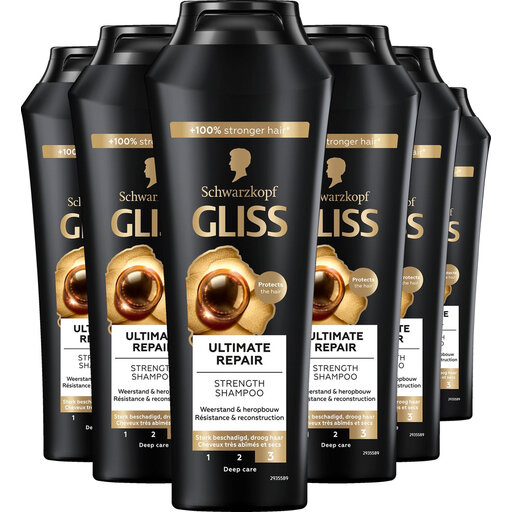
Why this fits the profile: A multi-pack for households that regularly use a shampoo for damaged hair.
The packaging states the exact number of bottles and the volume per bottle, so the total amount is easy to work out.
6 bottles of 250 ml; according to the brand’s product information, aimed at dry and heavily damaged hair.
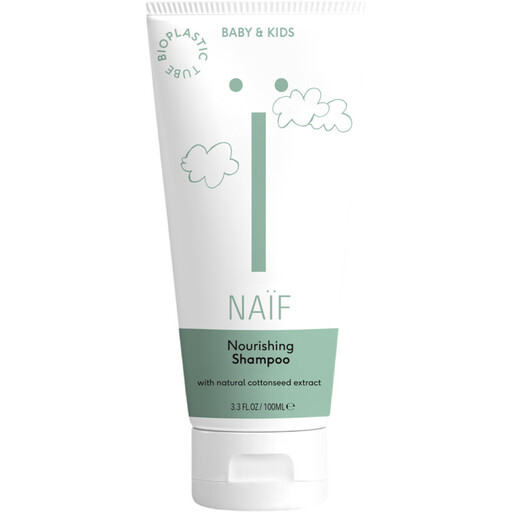
Why this fits the profile: A smaller bottle for babies, toddlers and children, with easy-to-follow usage instructions.
The target audience, volume and warnings are clearly stated, which helps when choosing a suitable children’s shampoo.
200 ml; designed for babies and children; according to the product information, free from SLS/SLES and parabens.
We’ve put together a full, up-to-date list of products that fully meet these strict selection criteria and comply with current European safety regulations.
That depends on your scalp, hair length, styling products and daily activities. Oily hair may need washing more often than dry or curly hair. Follow the usage advice on the packaging and don’t automatically use more product than necessary.
Check the packaging for the shelf life information and the symbol for the period after opening, such as 6M or 12M. Store the bottle closed, in a dry place and out of direct sunlight. An unusual smell, colour or texture is a reason not to use the product any further.
Not necessarily. Work out the price per 100 ml and check that all the bottles are the same variant and volume. A multi-pack like Gliss-Kur, Syoss Oleo or Syoss Repair can make sense if you use it regularly, but a single bottle is more practical when you want to see if the formula works for your hair first.
