
Vandaag of morgen in huis

Kwaliteit gegarandeerd

Welkomstaanbiedingen ontgrendelen: GRATIS bezorging | Tot 80% korting | Gratis 30 dagen JoyPlus-proefperiode
Download de app
When you’re buying shampoo, you’ll quickly come across terms like “repair”, “volume”, “shine” and “anti-dandruff”. Yet a striking package tells you very little about whether a formula actually suits your hair and scalp. The right choice depends mainly on how often you wash, your hair type, your scalp condition, and the ingredients you prefer to use or avoid.
Brands often use claims such as “up to 48 hours of volume”, “2x more shine” or “up to 100% dandruff removal”. These are not universal guarantees for every user. According to the brand’s own research, such results may apply under certain conditions. So be sure to check the hair type indication, volume, usage instructions and ingredients list instead.
Dry hair can have an oily scalp. Curly hair can be both porous and coloured at the same time. A shampoo for dry hair is not automatically suitable for the scalp. Apply shampoo mainly to the scalp and let the lather run through the lengths as you rinse. For dry ends, you might want to use a conditioner or hair mask.
A sulphate-free shampoo or silicone-free shampoo may suit a personal preference or a particular hair care routine. That does not automatically mean the formula is gentler or more suitable for everyone. Also check for fragrance, allergens, cleansing agents and conditioning ingredients. For a sensitive scalp, a short ingredients list without fragrance can be more practical.
Choose the formula based on the main concern:
Sulphates such as Sodium Laureth Sulfate cleanse effectively, but can feel too harsh for some users. Cocobetaine and other milder cleansers are common in sulphate-free formulas. Silicones can make hair feel smoother; if you want to limit build-up, you might choose a silicone-free shampoo.
Also pay attention to where an ingredient appears on the list. Ingredients listed higher up are generally present in larger amounts than those at the bottom. The packaging remains the most reliable source, as manufacturers can change formulas.
A 400 ml or 550 ml bottle may seem good value, but the cost per wash depends on how much you need to use. A 95 ml travel size is handy for hand luggage or a gym bag, but less practical for daily use.
So compare:
A shampoo deal is only worthwhile when the volume, formula and how long it lasts fit your routine.
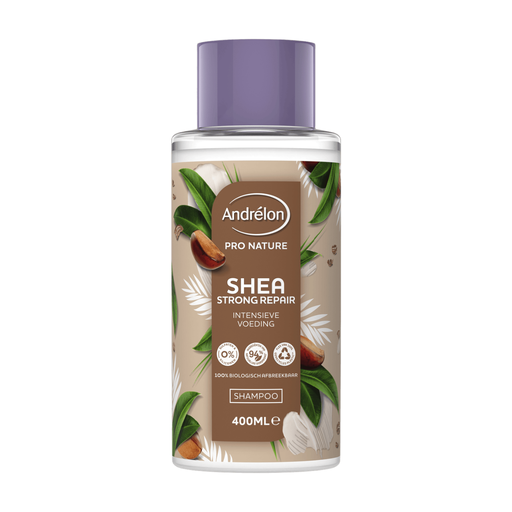
Why this suits the profile: The 400 ml volume is suitable for regular use and the product description states 0% sulphates and silicones.
The formula information is clearly stated, so you don’t have to rely solely on a general claim about nourishment.
400 ml; shea butter; according to the product information 94% ingredients of natural origin; vegan and paraben-free.
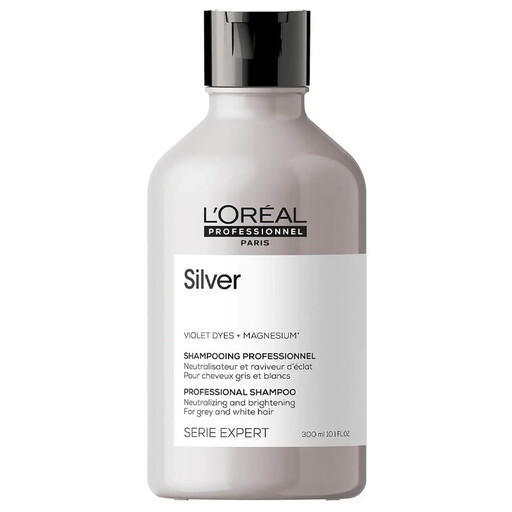
Why this suits the profile: This professional shampoo is designed for grey, white and light blonde hair when you want to neutralise unwanted yellow or copper tones.
The application is specifically described; this is not a general shampoo for every hair type.
300 ml; violet pigments according to the product description; recommended leave-in time of 1 to 3 minutes.
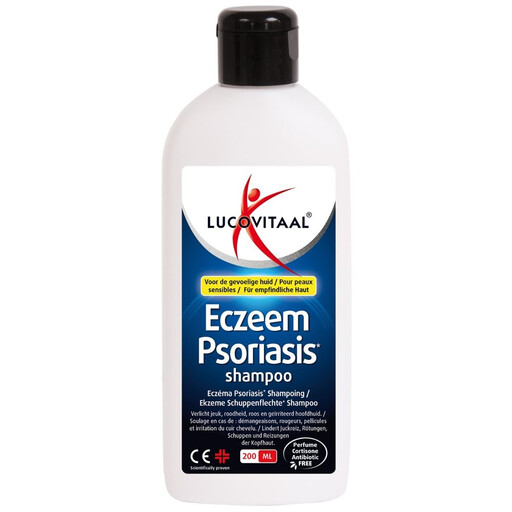
Why this suits the profile: The manufacturer describes this as a Class I medical device for a diagnosed scalp condition.
The application and warnings are clearly defined. Only use this product according to the packaging and the advice of a doctor.
200 ml; fragrance-free and soap-free according to the product information; use with a 3 to 4 minute leave-in time.
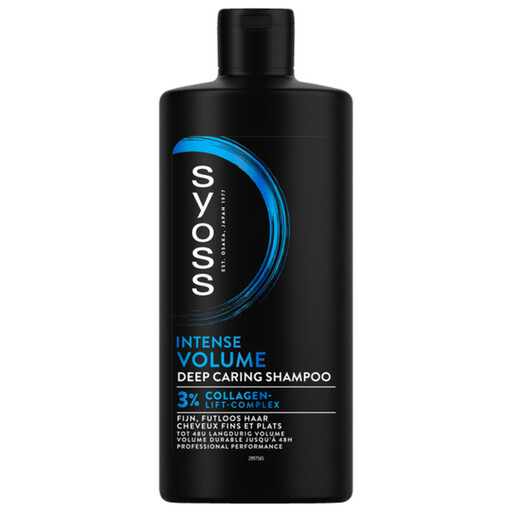
Why this suits the profile: According to the product information, the formula is developed for fine or flat hair and contains 0% silicones.
The target audience is specific: fine and limp hair. This stops you from choosing a heavy repairing formula that could leave hair feeling flat.
440 ml; silicone-free according to the brand product information; vegan; bottle made from recycled plastic.
An anti-dandruff shampoo or shampoo for dandruff is designed for a specific scalp need. According to Head & Shoulders’ own information, the Classic Clean formula contains Piroctone Olamine and is aimed at dandruff, itching associated with dandruff and an oily scalp. The packaging lists usage instructions and warnings. The 95 ml variant is particularly handy for travel.
If flaking, redness, pain or irritation persists, it is wise to seek medical advice. A cosmetic shampoo does not replace a diagnosis or treatment.
Wet your hair thoroughly, use a small amount and massage mainly the scalp. Rinse thoroughly. If possible, don’t wash your hair more often than necessary; the right frequency varies from person to person and scalp to scalp. A conditioner should usually go on the lengths and ends, not the scalp. This way you use less shampoo and avoid a heavy feeling.
We’ve put together a full, up-to-date list of products that fully meet these strict selection criteria and comply with current European safety regulations.
That depends on your scalp, exercise habits, styling products and hair type. An oily scalp may need washing more often than dry or curly hair. Use enough to cleanse the scalp and rinse thoroughly.
Check the shelf life information and the symbol showing the period after opening on the packaging. Formulas and ingredients lists can change. So always use the most recent information on the product itself.
Not always. Compare the price per 100 ml, the amount needed per wash and whether you need additional products. A shampoo deal with a larger bottle can be practical, while a smaller professional shampoo may be better if you only use it occasionally.
