
Vandaag of morgen in huis

Kwaliteit gegarandeerd

Welkomstaanbiedingen ontgrendelen: GRATIS bezorging | Tot 80% korting | Gratis 30 dagen JoyPlus-proefperiode
Download de app
Buying shampoo might seem straightforward, until you have to choose from dozens of variants for dry, oily, curly or damaged hair. An attractive bottle or a promise like “intensive care” doesn’t always tell you enough. The right choice depends mainly on your scalp, hair length, washing frequency and ingredients.
As Joybuy’s Product Recommendation Officer, I filter product information down to the practical details. That way, you can see more quickly which specifications matter and which marketing claims are worth double-checking.
Shea butter, coconut oil, keratin or protein sounds appealing, but the effect depends on the full formula and your hair type. A shampoo for dry hair, for example, can be too heavy for fine hair. So always check what the product is intended for according to the product description.
A formula with a high percentage of naturally derived ingredients can still contain fragrance, preservatives or allergens. According to the product description, Andrélon Pro Nature Shea uses 94% naturally derived ingredients. The ingredients list also mentions coumarin, among others. So read the label too if you are sensitive to fragrances.
A value pack of shampoo might seem like a bargain, but a 1,500 ml bottle takes up more storage space and is less convenient without a pump. What’s more, a large salon bottle isn’t automatically suitable for daily use or every hair type. Compare the volume with how much you use and check whether the formula matches your hair’s needs.
First, work out what you need:
Sulphates help remove dirt and sebum, but some people prefer a gentler cleanse. A sulphate-free shampoo contains no sulphate cleansers such as Sodium Laureth Sulphate. A silicone-free shampoo contains no silicones such as Dimethicone. That doesn’t automatically mean the formula is better for everyone.
If you tend to suffer from a dry scalp or have coloured hair, you might want to try a milder formula. If you use a lot of styling products, you may need a more thorough cleanse. Always check the full ingredients list; “paraben-free”, “vegan” and “sulphate-free” are separate properties.
For daily use, a formula that rinses out easily is practical. Massage shampoo mainly into the scalp and let the foam run through the lengths. Use a small amount and repeat only if necessary. A conditioner or hair mask can be a good addition for dry or damaged lengths.
Also pay attention to warnings. Avoid contact with the eyes, use the product only externally and stop if irritation occurs. Fragrances such as limonene, linalool or coumarin may be relevant for some users.
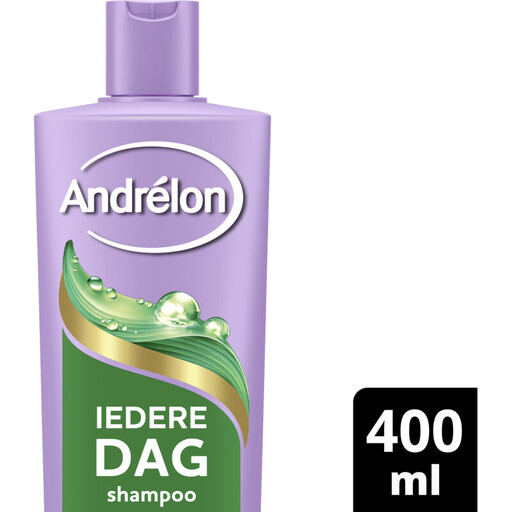
Why this suits the profile: An accessible shampoo for anyone looking for a simple formula suitable for all hair types. The product description mentions gentle cleansing and daily use.
The usage and volume are clearly stated. Do check the ingredients if you want to avoid fragrance or sulphates.
400 ml, suitable for daily use according to the product information and enriched with sunflower oil.
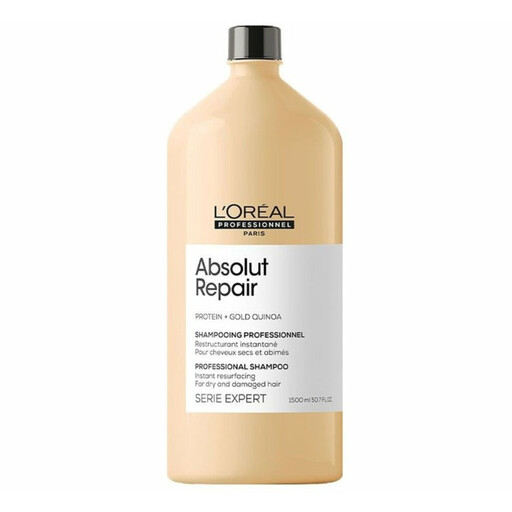
Why this suits the profile: A professional shampoo for damaged hair, families or salons using a large bottle.
The volume is 1500 ml and the formula contains sulphates and silicones according to the ingredients list. This means you can tailor your choice to your own preferences.
Salon size of 1500 ml; the product description mentions golden quinoa and protein for caring for damaged lengths.
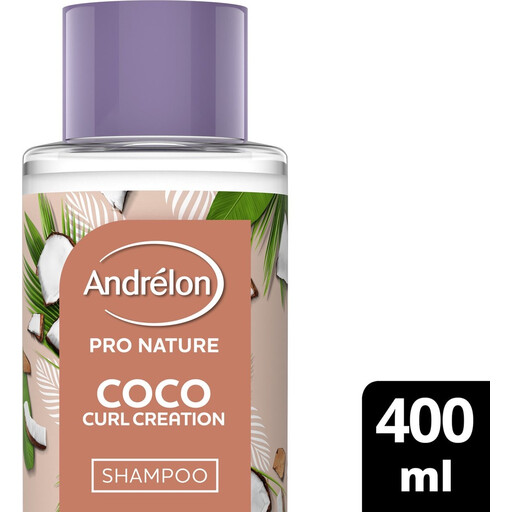
Why this suits the profile: Aimed at people with curls who are looking for moisture, care and less frizz.
The product information explicitly mentions curly hair, so you don’t have to rely on a general hydrating claim alone.
According to the product description, 0% sulphates and silicones, 94% naturally derived ingredients and 400 ml volume.
We’ve put together a full, up-to-date list of products that fully meet these strict selection criteria and comply with current European safety regulations.
That depends on your scalp, activity level and styling products. A shampoo for daily use can be practical for a normal or quickly oily scalp. For dry or curly hair, washing less often can help retain moisture better. Always follow the instructions and adjust the amount you use.
Check the shelf-life information on the packaging. Many cosmetic products also have an open-jar symbol, for example 12M. This means the product should be used within twelve months of opening, unless the packaging states otherwise.
Not necessarily. Compare the price per 100 ml, the amount needed per wash and the volume. A value pack of shampoo can be cost-effective for a family or salon, while a smaller bottle is better if you want to try a formula first. Also look at the ingredients and the stated purpose, not just the brand name.
