
Vandaag of morgen in huis

Kwaliteit gegarandeerd

Welkomstaanbiedingen ontgrendelen: GRATIS bezorging | Tot 80% korting | Gratis 30 dagen JoyPlus-proefperiode
Download de app
Thinking of buying shampoo but struggling to see what’s actually relevant through all the terms on the packaging? A shiny bottle, a promise of repair or the word “professional” doesn’t automatically mean the formula is right for your hair. The right choice starts with your scalp, hair texture and washing routine.
Dry hair and an oily scalp can occur at the same time. A rich shampoo for dry hair can leave the roots feeling heavy, while a strong cleansing shampoo can make the lengths feel less comfortable. So look at your scalp and your lengths separately.
Words like “restorative”, “strengthening” and “shine” often describe a brand’s positioning. According to Pantene’s own research, the Active Nutri-Plex formula can, for example, deliver up to 100% stronger hair; this is a brand claim and not a universal guarantee for every user. Similarly, a claim like “up to three times fewer yellow tones” from Andrelon Silver Care should be read as Andrelon’s own product claim.
So look for verifiable details such as volume, ingredients, suitable hair type, sulphate-free or vegan, rather than just the effect word on the front.
A 1,000 ml or 1,500 ml bottle may seem good value, but it’s not always practical when you don’t yet know the formula. When trying a new shampoo, a 250 to 400 ml bottle is often a sensible first purchase. Large sizes make most sense when you already know the formula, are sharing it with several people, or wash your hair frequently.
First, choose the function you actually need:
Sulphate-free shampoo uses different cleansing agents than formulas containing, for example, sodium laureth sulphate. Sulphates aren’t banned and some users find them pleasant because of the strong lather. If you have a sensitive scalp, dry lengths or a curly hair routine, you may prefer a milder, sulphate-free formula.
Also check for fragrances and known allergens on the ingredients list. Products may contain perfume, limonene, linalool or other fragrance components. If irritation occurs, it’s sensible to stop using the product. Avoid contact with the eyes and always follow the safety information on the packaging.
Compare the volume alongside the price: 250 ml, 300 ml, 400 ml, 550 ml, 1,000 ml and 1,500 ml aren’t directly comparable. A pump bottle can be handy in the bathroom, while a smaller bottle is easier to take with you.
With a large size, also check the shelf life and the period after opening. This information can vary by product and is stated on the packaging. A shampoo you only use a few times a week may sit on the shelf longer than a product for daily use.
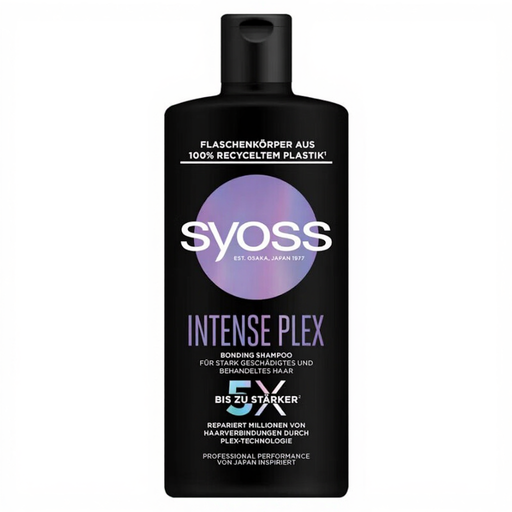
Why this fits the profile: A standard shampoo for all hair types in a 440 ml bottle, suitable when you want to try a general formula first.
The product information doesn’t specify a particular hair problem, so you’re not buying a specialised effect you may not need.
440 ml volume; formula for all hair types; ingredients list stated.
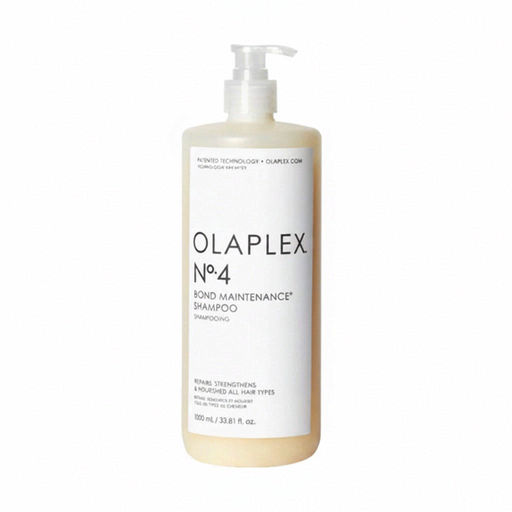
Why this fits the profile: The sulphate-free, colour-safe formula is aimed at users who regularly colour or chemically treat their hair.
The product details explicitly mention sulphate-free and colour-safe, so you’re not relying solely on a general repair claim.
1,000 ml volume; sulphate-free formula; suitable for coloured hair according to the product information.
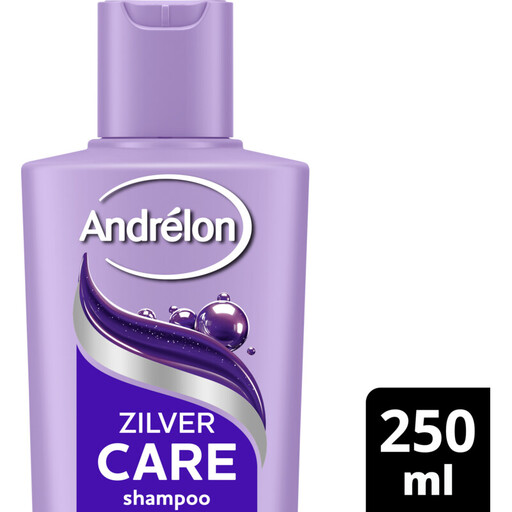
Why this fits the profile: This silver shampoo is designed for blonde, grey and highlighted hair when you want to neutralise yellow or brassy tones.
The purple pigments have a clear purpose and aren’t intended as a general shampoo for every hair type.
250 ml volume; purple pigments; suitable for blonde, grey and highlighted hair according to the product details.
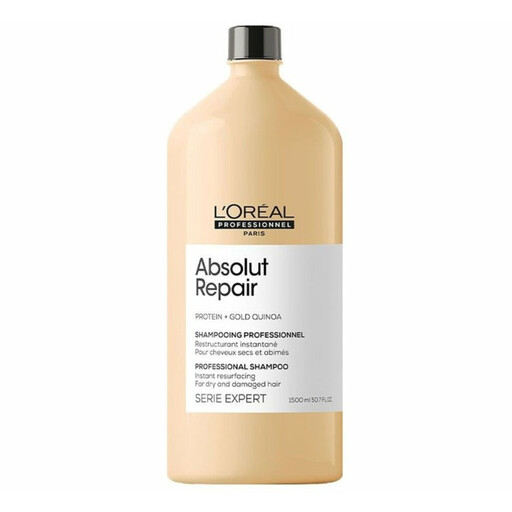
Why this fits the profile: The salon size suits families, hairdressers or users who wash frequently and already know a nourishing formula works for their hair.
The volume and target audience are clearly stated. It also notes that the formula isn’t sulphate-free, silicone-free or paraben-free, so you can compare consciously.
1,500 ml volume; aimed at damaged hair; suitable for adults and all hair types according to the product information.
We’ve put together a full, up-to-date list of products that fully meet these strict selection criteria and comply with current European safety regulations.
That depends on your scalp, hair length, exercise habits and styling products. Oily hair may need washing more often than dry or curly hair. Massage shampoo mainly onto the scalp and let the foam run through the lengths, unless the instructions say otherwise.
The period after opening is often shown as an open jar with, for example, “12M” on the packaging. The exact shelf life varies by product. Store the bottle closed, in a dry place and not in direct sunlight for long periods. If in doubt, check the packaging.
No. “Professional shampoo” mainly says something about the positioning or usage segment. Check the recommended application, cleansing agents and the purpose of the formula. A silver shampoo, clarifying shampoo or deeply nourishing shampoo may have a specific place in your routine and won’t automatically suit every wash.
