
Vandaag of morgen in huis

Kwaliteit gegarandeerd

Welkomstaanbiedingen ontgrendelen: GRATIS bezorging | Tot 80% korting | Gratis 30 dagen JoyPlus-proefperiode
Download de app
When you’re shopping for shampoo online, you’ll quickly come across terms like “restorative”, “natural”, “volume” and “anti-hair loss”. These descriptions don’t always tell you enough about the formula, how to use it, or whether it’s right for your hair. With a few key checks, you can avoid paying for a product that doesn’t fit your daily routine.
Words like “repairs”, “strengthens” or “stimulates growth” sound clear, but their meaning varies from brand to brand. According to a brand’s own research or product description, a shampoo might be intended for dry or damaged hair. That’s no guarantee that every hair type will get the same result.
Extra caution is needed with anti-hair loss shampoos. A cosmetic product can care for your hair, but persistent or sudden hair loss can have many causes. Discuss this with your GP or another healthcare professional.
A natural shampoo isn’t necessarily gentler for everyone. Even plant-based fragrances and extracts can be unsuitable if you have a sensitivity. Always check the ingredients list.
Sulphate-free shampoo can be great for dry, curly or colour-treated hair, but sulphates aren’t automatically bad. They generally cleanse more thoroughly. The right choice depends on your sebum production, styling products and how often you wash. The same goes for silicone-free shampoo: silicones can make hair feel smoother, while some users prefer a lighter formula.
A 1,000 ml bottle may seem more expensive, but it can work out cheaper per wash if you use shampoo regularly. Also consider how much product you need, whether it has a pump, and whether you’ll need to buy a conditioner too. A shampoo and conditioner set can be handy for damaged lengths, but it isn’t necessary for every hair type.
Ingredients are listed in descending order of quantity according to the standard INCI system. Check for fragrance ingredients and known allergens if you’re sensitive to them. The Andrelon Pro Nature Shea formula, for example, lists coumarin. The Andrelon Everyday formula lists linalool, limonene and citrus aurantium peel oil, among others.
Also read the warnings on the packaging. Cosmetics sold in the European Union must, under current cosmetics regulations, include an ingredients list, the responsible party and usage information. When buying online, check that the product page and packaging provide enough information.
A 250 to 400 ml bottle is suitable for individual use or if you like to switch products. A 550 ml or 1,000 ml pack is more practical for a household with multiple users. For long hair or damaged ends, an additional conditioner or hair mask can be more useful than simply using more shampoo.
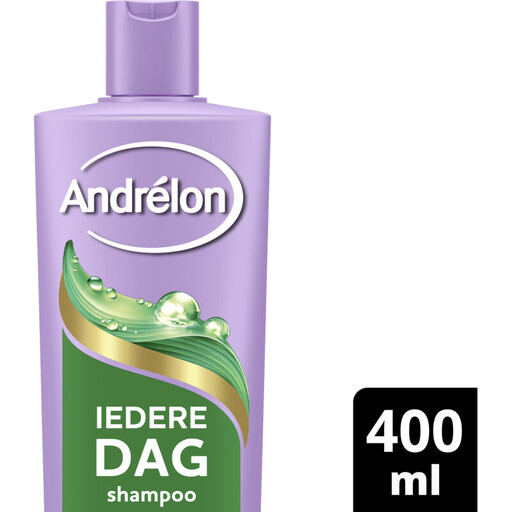
Why this fits the profile: A straightforward option for adults looking for a daily-use shampoo. The bottle contains 400 ml and the product description mentions sunflower oil and cleansing of hair and scalp.
The product information clearly states that the formula contains sulphates. This means you can better assess the cleansing strength in advance, rather than relying solely on the word “mild”.
400 ml, suitable for all hair types according to the product specification, and designed for daily use as per the product description.
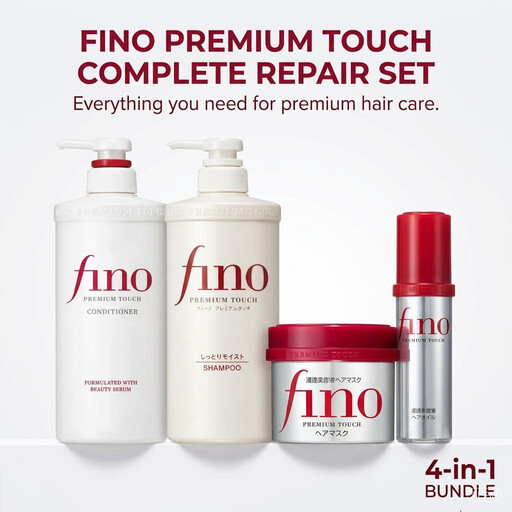
Why this fits the profile: A complete routine for anyone who wants to care for dry, damaged or dull hair with more than just shampoo.
You’re not just buying a shampoo with vague repair claims, but a set with four separate steps: shampoo, conditioner, mask and oil.
Four products in one set; the mask is intended for weekly use according to the description, and the oil for damp or dry hair.
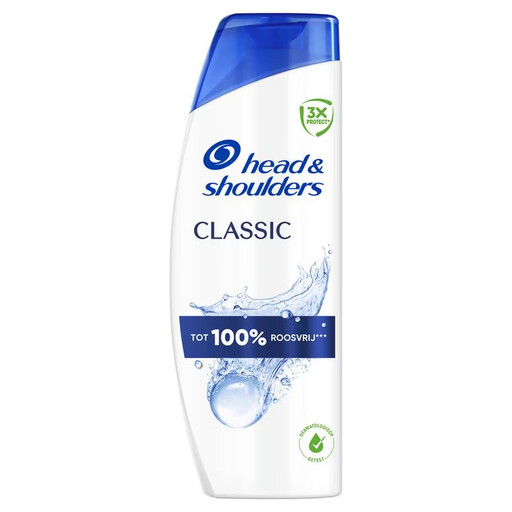
Why this fits the profile: Handy for anyone wanting to try an anti-dandruff shampoo or looking for a small size for travel and the gym.
The 95 ml size reduces the risk of buying a large bottle before you know how your scalp reacts to the formula.
95 ml, piroctone olamine in the ingredients list, and suitable for regular use according to the product description.
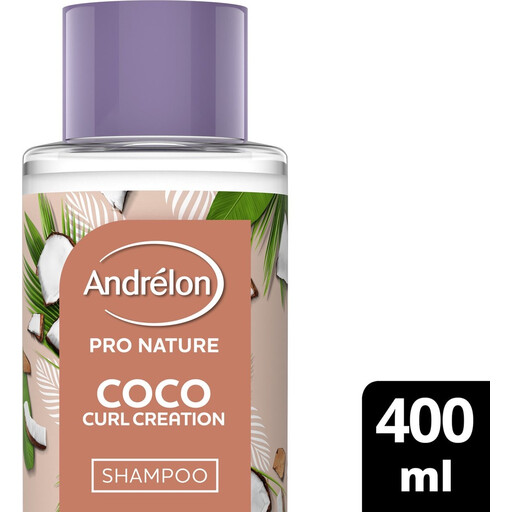
Why this fits the profile: Aimed at adults with curly hair who want hydration and prefer a shampoo without silicones and sulphates.
The product details explicitly state 0% sulphates and silicones. This means you don’t have to rely solely on words like “natural” or “for curls”.
400 ml, 94% ingredients of natural origin according to the product data, and a formula with coconut oil.
We’ve put together a full, up-to-date list of products that fully meet these strict selection criteria and comply with current European safety regulations.
That depends on your scalp, hair type and use of styling products. An oily scalp or daily exercise can make more frequent washing practical. Dry, curly or colour-treated hair sometimes benefits from less frequent washing. Follow the usage instructions and adjust the frequency based on your own experience.
Check the expiry information and the period-after-opening symbol on the packaging. Store the bottle closed, in a dry place away from direct sunlight. If the smell, colour or texture changes noticeably, stop using the product.
Not automatically. Compare the volume, ingredients, recommended frequency of use and the cost of additional products. A professional shampoo may have a specific formula, but a regular shampoo can be better suited to daily use. Choose based on your hair’s needs and verifiable product specifications, not just on price or brand name.
