
Vandaag of morgen in huis

Kwaliteit gegarandeerd

Welkomstaanbiedingen ontgrendelen: GRATIS bezorging | Tot 80% korting | Gratis 30 dagen JoyPlus-proefperiode
Download de app
Buying seaweed may seem straightforward, but the options vary considerably in type, preparation, flavour and nutritional value. A bag of dried seaweed for soup works differently from a crispy seaweed snack for eating on the go. Terms such as “rich in minerals”, “low calorie” or “premium” also say little about which option is right for you without checking the ingredients list and nutritional information.
The most important question, therefore, is not which product is promoted the most, but what you want to use it for: making sushi, preparing soup and salad, adding flavour to rice or simply enjoying a savoury snack.
Nori, wakame and kelp are not interchangeable. Roasted seaweed in thin sheets is suitable for sushi, rice balls and wraps. Wakame is usually sold dried and must be soaked first. Kelp, meanwhile, may be firm, soft or marinated, depending on the packaging.
If you are buying a snack for your cupboard, check whether the product is ready to eat. Dried wakame will generally state that it needs to be soaked, blanched or cooked along with the dish.
A low energy content does not automatically make a product suitable for everyday use. Also check the salt, oil, sugar and flavour enhancers. Seasoned Korean seaweed and marinated kelp can contain considerably more salt than plain seaweed.
The nutritional information on the label is also usually given per 100 grams. A small snack pack often contains much less than 100 grams, while a dried product increases in volume after soaking.
Natural seaweed sometimes contains only seaweed and salt, but seasoned varieties may contain sesame, soya, wheat, fish or molluscs, among other ingredients. Always check the current packaging, particularly if you have an allergy or specific dietary requirements.
Products from different countries may display serving sizes, salt information and preparation instructions differently. The product page provides useful information, but the packaging remains the definitive source for the ingredients list, best-before date and instructions for use.
Japanese seaweed and Korean nori are often sold roasted. Nori consists of thin sheets with a savoury umami flavour. Use it for:
Plain roasted nori lets the flavour of rice, vegetables and fish shine through. Seasoned nori often contains oil and salt and is mainly intended to be eaten straight from the pack.
Wakame is a practical choice for seaweed for soup and salad. Dried wakame must first be rehydrated. You can then add it to miso soup, stock, hotpot, cold salad or a stir-fry.
Pay attention to the quantity: dried wakame expands as it soaks. Rinse the product after soaking according to the instructions, and cook or blanch it if the packaging says to do so.
Kelp, also known as kombu, usually has a firmer and chewier texture than nori. Marinated kelp strips or kelp knots are often ready to eat. They work well with rice and noodles, or as a savoury snack.
With these varieties, take extra care to check the salt content, storage instructions after opening and added seasonings. Some products must be refrigerated once opened.
Choose sheets if you want to make sushi or kimbap. Sliced or dried pieces are more convenient for soup and salad. A pack containing 100 sheets is suitable if you make sushi regularly or cook for several people. For occasional use, a smaller pack is more practical and helps reduce waste.
Compare 100% seaweed with seasoned varieties. Plain nori or wakame has a short ingredients list. A seaweed snack may contain added oil, salt, chilli, garlic, sugar and flavour enhancers.
“Roasted seaweed” refers to how it has been prepared; it does not automatically mean that it is low in fat or salt. Check the table per 100 grams and pay attention to the order of the ingredients.
Seaweed absorbs moisture easily. Store an opened bag tightly sealed, in a cool, dry place away from direct sunlight and sources of heat. Crispy nori quickly becomes soft if the packaging is left open.
Marinated kelp and some ready-to-eat snacks have stricter instructions, such as refrigerating them after opening and consuming them promptly. Always check the best-before date on the packaging.
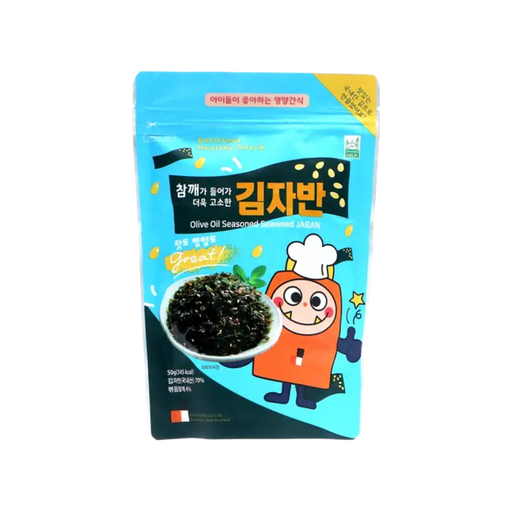
Why it suits this profile: This ready-to-eat, finely sliced Korean seaweed can be used straight away as a topping for rice, noodles, salad or sushi.
Its intended use is clear and no preparation is needed. Do check the stated sodium content of 700 mg per 100 g, as well as the added oil and seasonings.
50 g of finely sliced, roasted seaweed in a resealable bag. Practical for everyday use in small quantities.
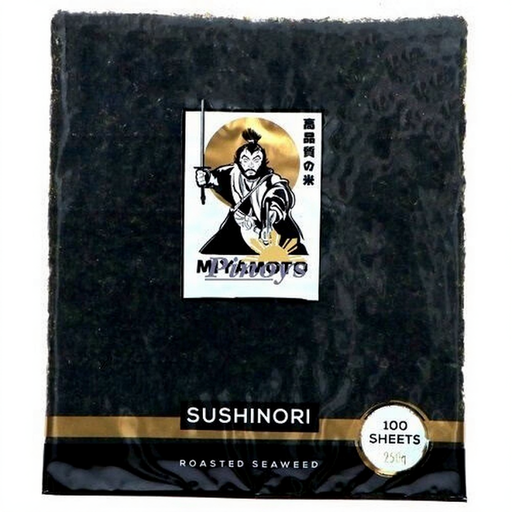
Why it suits this profile: The large pack of 100 sheets and the 19 x 21 cm format are ideal for regular sushi nights, kimbap and larger households.
This is not a small snack pack, but a clearly described supply pack for sushi and wraps. Store the sheets airtight to limit moisture and prevent them from losing their crispness.
100% roasted seaweed according to the product information, with no EU allergens listed. Suitable for sushi, kimbap and creative wraps.
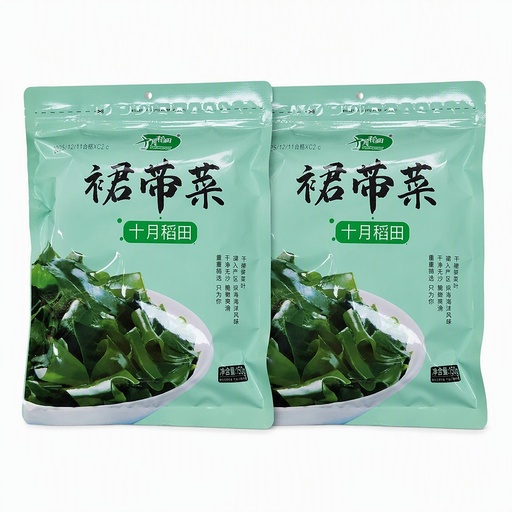
Why it suits this profile: This dried wakame is intended for soup, cold salad, hotpot and stir-fries. The twin pack is well suited to regular cooking.
The preparation method is described for each application. You can therefore see in advance that soaking and cooking are required, rather than treating the product as a ready-to-eat snack.
300 g in total, suitable for storage at room temperature and versatile enough for a range of Chinese and Asian dishes. The stated salt content is 21.8 g per 100 g.
We have put together a complete, up-to-date list of products that fully meet these strict selection criteria and the applicable European safety regulations.
Yes, nori is the usual choice for sushi, hand rolls and rice balls. Choose sheets in a suitable size and store the opened pack somewhere dry and tightly sealed. Wakame is less suitable for rolling sushi because it becomes soft and bulky after soaking.
Soak the wakame according to the instructions on the packaging. It is often then briefly blanched or cooked along with the dish. Rinse it if instructed and add it to soup, salad, hotpot or a stir-fry. Use a small quantity, as dried wakame expands while soaking.
This depends on the packaging, humidity and storage conditions. Nori and roasted seaweed generally stay crisp for longer when you reseal the bag immediately and store it somewhere dry. Marinated kelp may need to be refrigerated after opening and consumed within a specified period.
Check the full ingredients list. Plain nori and wakame often consist of seaweed and possibly salt, but seasoned snacks may contain fish flavouring, shellfish, soya, sesame or other ingredients. Do not rely solely on the front of the packaging; also check the allergens and any precautionary allergen statement.
