
Vandaag of morgen in huis

Kwaliteit gegarandeerd

Welkomstaanbiedingen ontgrendelen: GRATIS bezorging | Tot 80% korting | Gratis 30 dagen JoyPlus-proefperiode
Download de app
Seaweed has become a staple in modern kitchens. Whether you're rolling your own sushi, seasoning a rice bowl, or just looking for a savory snack, the selection in stores and online can be overwhelming. Large sheets, small snacks, barbecue-flavored flakes... which type do you actually need?
As a Joybuy Product Recommendation Officer, I'm here to guide you. In this article, we'll cut through the noise and offer practical advice so you can buy the perfect seaweed for your dish or snack time. We'll look at the different types, what to watch for, and highlight a few popular choices.
Before you make a choice, it's helpful to know that not all seaweed is the same. The type, form, and preparation determine its use. Here are a few things to consider.
The most common question is: what are you going to use it for? The answer directly determines the form you need.
The origin can give an indication of the flavor profile. Japanese seaweed (nori) often has a subtle, slightly salty taste and a delicate texture, perfect for sushi. Korean seaweed ('gim') is typically roasted twice with sesame oil and salt, resulting in a richer, nuttier flavor and a crispier texture. This makes it highly suitable as a snack or as seasoned flakes.
A quick look at the ingredients tells you a lot. Pure nori sheets often contain just one ingredient: 100% seaweed. This gives you the freedom to add your own flavors. In contrast, seasoned seaweed snacks or seaweed flakes often also contain oil (like sesame or canola oil), salt, sugar, and other flavorings. Always check this if you're looking for a product with a pure taste or if you want to avoid certain additives.
Based on product specifications and applications, we've made a selection that covers various needs: from the avid sushi maker to the savory snack enthusiast.
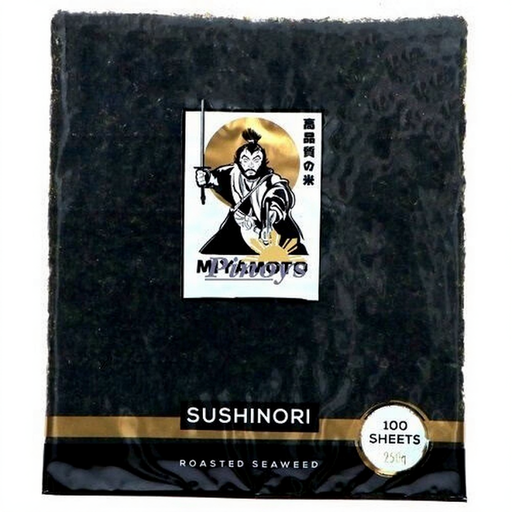
Why It Stands Out: This product is an excellent choice for anyone who regularly makes sushi, kimbap, or onigiri. With 100 sheets in one package, you'll have a generous supply. The sheets have a standard size of 19x21 cm and are roasted for a pure, crisp flavor with no extra additives.
Key Features:
Who It's For: The serious home cook looking for high-quality nori sheets in an economical quantity. If you love to prepare Asian dishes frequently, this is an essential pantry staple.
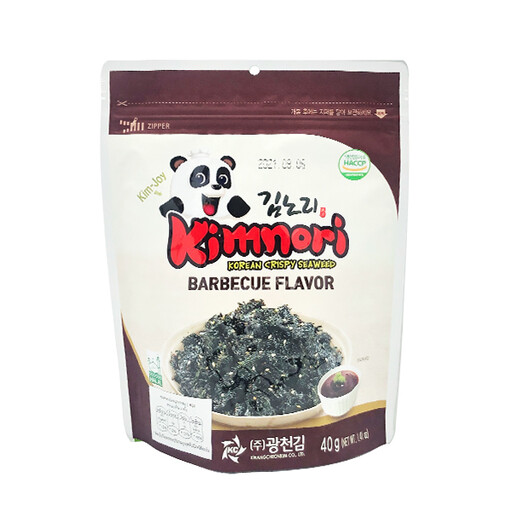
Why It Stands Out: These Korean seaweed flakes are a flavor bomb. The combination of dried seaweed, BBQ seasoning, sesame oil, and roasted sesame seeds creates a savory, smoky, and slightly sweet taste with a crispy texture. It's a ready-to-use topping that instantly elevates a simple meal.
Key Features:
Who It's For: Anyone who wants to quickly and easily add more flavor to their meals. Fans of Korean cuisine will recognize the authentic taste of 'jaban'. Also ideal for those with little time who still want to serve up a flavorful dish.
View Kimnori Jaban Seaweed Flakes

Why It Stands Out: TAOKAENOI is a well-known brand when it comes to seaweed snacks. This is the 'Original' version: crispy grilled seaweed seasoned with salt and white pepper. The 32g package is convenient for on-the-go, in a lunchbox, or as a single serving for a movie night. According to the manufacturer, the product is vegan and low in sugar.
Key Features:
Who It's For: Snack lovers looking for an alternative to chips or savory crackers. Also a great choice for families who want to offer their children a different kind of savory snack.
The world of seaweed is vast and diverse. Perhaps you're looking for a different flavor of snack, a special type for miso soup, or you just want to browse. There are many more types of dried seaweed to discover.
Discover our full range of dried seaweed
Nori is a specific type of red algae processed into thin, dried sheets. This is the type almost always used as seaweed for sushi. Other types of seaweed, like kombu (for broth) or wakame (for salads and soups), have different textures and flavors and are used differently in cooking.
Seaweed is naturally low in calories and contains various minerals. The final nutritional value depends heavily on its preparation. Pure, unprocessed nori sheets are different from fried and seasoned seaweed snacks, which can contain more oil and salt. It's always wise to check the nutrition facts panel on the packaging.
Dried seaweed absorbs moisture, which can cause it to lose its crispness. Always store an opened package in a cool, dry place, away from direct sunlight. Seal the package as airtight as possible, for instance, with a clip or by transferring the contents to a resealable bag or container. This will keep it fresh and crispy for longer.
