
Vandaag of morgen in huis

Kwaliteit gegarandeerd

Welkomstaanbiedingen ontgrendelen: GRATIS bezorging | Tot 80% korting | Gratis 30 dagen JoyPlus-proefperiode
Download de app
Buying seaweed can be overwhelming. The virtual shelves of an online Asian supermarket are filled with types like kelp, nori, and kombu. You buy a package for a recipe, only to find out at home that it's a ready-to-eat spicy kelp snack. Or you want a quick snack but have accidentally bought dried seaweed that needs to be soaked for half an hour first.
This confusion often leads to unnecessary expenses and dishes that don't taste as expected. Many products look similar but are intended for completely different uses. Let's clear up the most common pitfalls so you know exactly what you're putting in your digital shopping cart.
Before you make a choice, it's helpful to know what often goes wrong. Understanding these two points will save you money and disappointment.
dried seaweed is not the same as a pack of nori sheets. The former is often kombu or wakame, meant for adding umami flavour to soup or broth. The latter is roasted and ready for rolling sushi. Tossing a seaweed snack into your miso soup will result in a greasy, oddly seasoned soup.To make the right choice, you only need to pay attention to two simple specifications. These are almost always listed on the packaging or in the product description.
The name of the seaweed often tells you its intended use. These are the most common types:
dried seaweed. Kombu is the Japanese name for a specific type of kelp. It's the base for dashi (Japanese broth) and adds a deep, savory umami flavor to seaweed for soup and stews. It almost always needs to be soaked and cooked.nori sheets are usually roasted and ready to use for making seaweed for sushi or onigiri (rice balls).spicy kelp snack in strips. These are meant to be eaten directly and are not for cooking.Always check the product description for terms like "ready to eat" or "cooking required".
Jin Hai Lin Kelp Strips or Chung Jung One Dried Seaweed must be soaked in water before use. They are hard and compact in the package and expand to a much larger volume. Ideal for keeping stocked in the pantry.Wei Long Wind-Eaten Kelp are instantly edible. They are packaged in oil and seasonings and have a soft, chewy texture. Perfect for on the go or as a quick side dish.Below are some recommendations, tailored to specific needs and users.
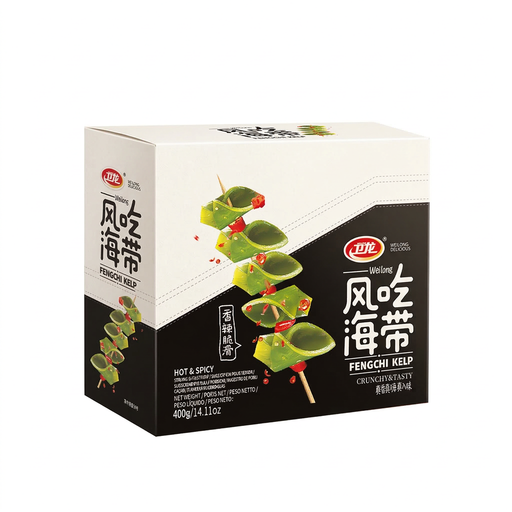
Why This Fits Their Persona: Perfect for those looking for a savory, spicy, and ready-to-eat snack. The individual packs are convenient for on the go, as a snack at work, or as a quick side dish with a bowl of rice.
This product is clearly a 'ready-to-eat kelp snack'. There's no room for confusion; you don't need to soak or cook anything.
The flavor is complex and layered, thanks to a mix of chili, Sichuan pepper, and pickled ginger. The texture is pleasantly chewy.
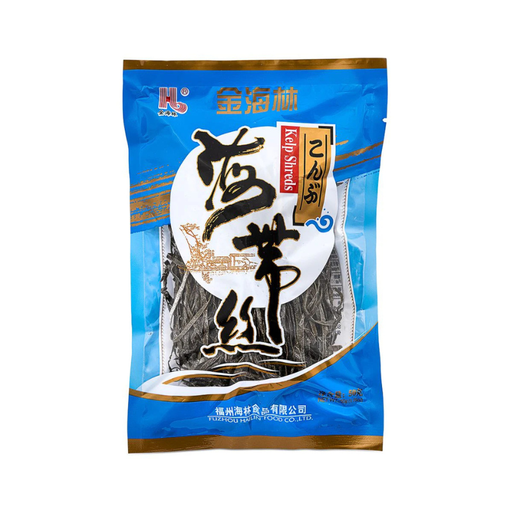
Why This Fits Their Persona: Ideal for those who want to make their own broth (dashi) or add an authentic umami flavor to hot pot, stews, or soups. This is a foundational ingredient for the serious cook exploring Asian cuisine.
The product description explicitly states, "Cooking required. Must be rehydrated." This prevents you from accidentally eating it as a snack.
Made from 100% kombu (kelp), with no additives. This pure product gives you complete control over the flavor of your dish.
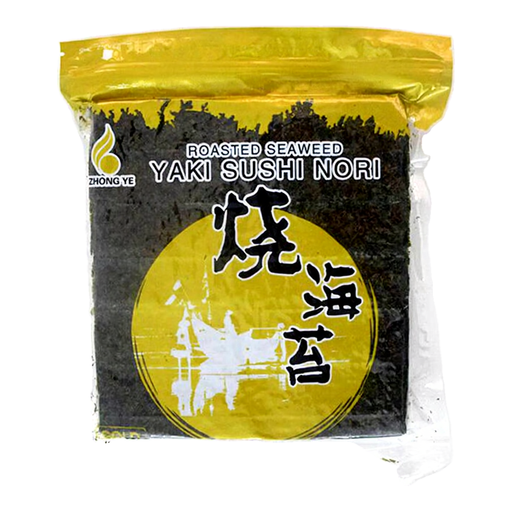
Why This Fits Their Persona: Specifically designed for making sushi rolls (maki) and rice balls (onigiri). These sheets have the right size, thickness, and texture to prevent tearing while rolling and provide that classic sushi flavor.
The name "Sushi Seaweed" and the "10 sheets" designation make it immediately clear that these are the right nori sheets for rolling, not for soup.
The brand describes this product as "gold grade" roasted seaweed, which indicates a crispy texture and rich umami flavor.
We've compiled a complete, up-to-date list of products that meet these selection criteria. Find the perfect type for your next meal or snack time.
Dried seaweed (like kombu or wakame) is very sensitive to moisture. After opening, it's best to store the product in an airtight container or resealable bag in a cool, dark, and dry place, such as a pantry. Roasted nori sheets quickly soften when exposed to air; store them airtight as well and consume them relatively soon after opening.
Kombu is a specific edible type of kelp widely used in Japanese cuisine, particularly for making dashi broth. So, while all kombu is kelp, not all kelp is kombu. In the context of an online Asian supermarket, the terms are often used interchangeably for the thick, dried seaweed sheets intended for cooking.
Technically, you can, but the results will vary greatly. For a clear, umami-rich broth, kombu is the best choice. For a soup filling with a soft texture, wakame is a popular option. Thin nori sheets are sometimes cut into strips and sprinkled over a soup as a final garnish. Using a marinated seaweed snack is not recommended, as the oil and seasonings will overpower the soup's flavor.
