
Vandaag of morgen in huis

Kwaliteit gegarandeerd

Welkomstaanbiedingen ontgrendelen: GRATIS bezorging | Tot 80% korting | Gratis 30 dagen JoyPlus-proefperiode
Download de app
Buying seaweed seems simple enough, until you have to choose between sushi nori, roasted seaweed, dried seaweed, wakame and ready-to-eat seaweed salad. Packaging often boasts terms like “premium”, “natural” or “healthy”, but those words don’t always tell you what you practically need in the kitchen.
Instead, pay close attention to the form, ingredients, quantity and storage method. That way, you’ll avoid seaweed sheets breaking while you roll, a snack being too salty, or a large pack going limp after opening.
A pack of 50 or 100 sheets might seem good value, but it’s really only suitable if you make sushi, kimbap or onigiri regularly. For occasional use, a smaller pack of nori can be more practical. Always check both the number of sheets and the weight. A sheet measuring roughly 19 × 21 cm is ideal for larger sushi rolls and wraps, while smaller portions are handy for snacks or rice balls.
Roasted seaweed is usually ready to eat and has a crispy texture. Dried seaweed, such as wakame, often needs to be soaked or rinsed first. A seasoned seaweed snack, on the other hand, contains oil, salt, sugar or flavourings. That makes it suitable for eating straight away, but not always for sushi.
Check the ingredients list and allergen information. Products with sesame oil, soy sauce or seasonings may contain sesame, soya, mustard or wheat, for example. The salt content also varies widely. Ready-to-eat seaweed salad or kelp snacks may also have added sugar, oil, preservatives and flavour enhancers.
Choose the type based on the dish:
A shorter ingredients list generally gives you more control over the flavour. According to the product information, Miyamoto Roasted Seaweed consists of 100% roasted seaweed. With seasoned products, it’s a different story. Garimi, for example, contains roasted seaweed, olive oil, salt and GimJaban seasoning. Sempio uses ingredients including corn and sesame oil, roasted sesame seeds and sugar.
If you have an allergy, always check the label on the packaging. Product information can change, and the label is what counts. A product that doesn’t list the 14 main EU allergens doesn’t mean you can ignore other warnings.
Seaweed absorbs moisture quickly. So store opened packs tightly sealed in a cool, dry place, away from heat and sunlight. For sushi and roasted seaweed, a resealable pack is handy. Frozen seaweed salad must stay frozen until use and, according to the product information, should not be refrozen after defrosting.
Also pay attention to the usage instructions. Dried wakame needs to be soaked, whereas a snack like Garimi or a seasoned kelp variety can be eaten straight away. With a bulk pack, it’s wise to work out in advance how much you’ll actually use.
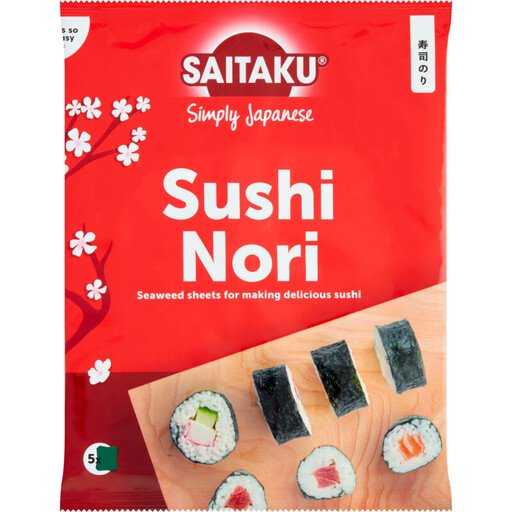
Why this fits the profile: With 5 sheets, this is a manageable quantity for anyone making sushi or rice rolls for the first time.
The small pack limits waste and makes it clear exactly how many sheets you’re getting.
5 sheets; suitable for sushi, stir-fries and salads; ingredients: red algae from aquaculture.
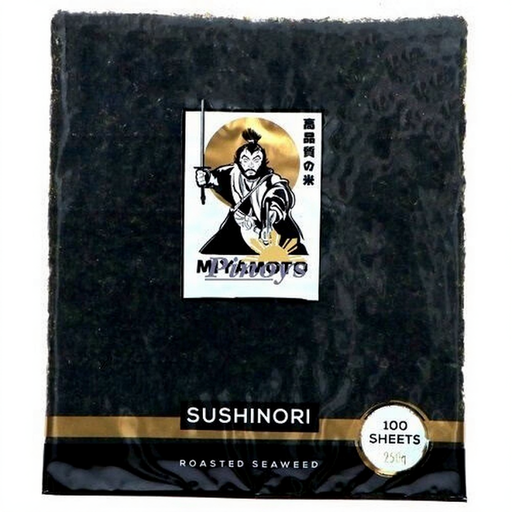
Why this fits the profile: The large pack is aimed at home cooks, parties and anyone who regularly makes sushi, kimbap or wraps.
The number of sheets is clearly stated and the 19 × 21 cm size prevents surprises with larger rolls.
100 sheets; 100% roasted seaweed according to the product information; suitable for sushi, kimbap and wraps.
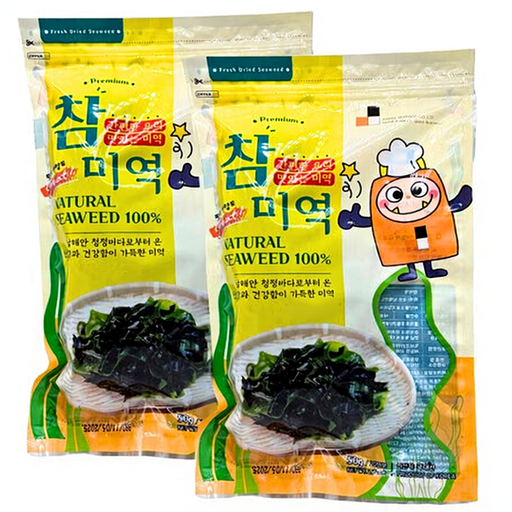
Why this fits the profile: This dried wakame is aimed at anyone who regularly prepares soup, noodles, Japanese dishes or seaweed salad.
The mention of 100% dried wakame makes it clear that this isn’t a ready-to-eat snack, but an ingredient that requires preparation.
Dried wakame; suitable for soups and salads; 50 g pack; check the preparation instructions on the label.
We’ve put together a full, up-to-date list of products that fully meet these strict selection criteria and current European safety regulations.
Use nori for sushi: thin, roasted sheets that are large enough to wrap around rice and fillings. Check that the pack contains whole sheets and pay attention to the size. For small quantities, packs of 5 or 10 sheets are handy; for regular use, 50 or 100 sheets are more practical.
Soak dried wakame in water according to the instructions on the pack. The pieces absorb moisture and become softer as a result. Then use the wakame in soup, noodles or salad. The required soaking time and amount can vary between products, so follow the label.
That depends on the type of product and the packaging. Store roasted seaweed airtight and dry. An opened frozen seaweed salad must be kept chilled after defrosting and used within the stated period. Always check the best-before date and the instructions on the pack.
