
Vandaag of morgen in huis

Kwaliteit gegarandeerd

Welkomstaanbiedingen ontgrendelen: GRATIS bezorging | Tot 80% korting | Gratis 30 dagen JoyPlus-proefperiode
Download de app
When buying seaweed, you’ll quickly come across dozens of packets labelled roasted, crispy, premium and authentic. Yet what’s on the front of a packet doesn’t always tell you enough about the practical details. Whether you want to make sushi, fill onigiri, prepare an Asian salad or simply have a savoury snack in the house, the type, quantity, ingredients and storage method are what really matter.
A multipack may look appealing, but seaweed sheets lose their crispness if the packet is opened frequently or not sealed properly. So don’t just check the number of sheets – also consider how quickly you’ll use them and whether the packaging is resealable or individually wrapped.
A pack of 100 sheets can be practical for families, parties or food service. For someone who makes sushi every now and then, a smaller pack of 5 or 10 sheets may be a better fit.
Sushi nori is usually intended for wrapping rice and fillings. The sheets are typically large and fairly neutral in flavour. A Korean seaweed snack is often already roasted and seasoned with oil, salt or sesame oil. It’s fine for eating straight away, but the seasoning may make it less suitable for sushi.
Also pay attention to the difference between Japanese seaweed sheets, roasted nori, kelp and wakame. Kelp strips are often marinated and ready to eat. Wakame, on the other hand, is usually sold dried and needs to be soaked before use in soup, salad or another dish.
According to product information from brands and sellers, seaweed may naturally contain certain minerals. That’s no reason to eat it without limit. Flavoured varieties in particular can be relatively high in salt. For example, Bestore’s spicy kelp knots contain 8.5g of salt per 100g, while the ingredients also include soy sauce, sesame oil and preservatives.
Always check the actual packaging. The information on a product page can change and does not replace the label.
Choose based on the dish:
For sushi, the size and firmness matter more than a strong flavour. For snacking straight away, wasabi, chilli, garlic, sesame or a sweet-savoury marinade may be exactly what you want.
A standard sushi sheet isn’t always the same size. For example, Miyamoto Roasted Seaweed has sheets measuring 19 x 21 cm and contains 100 pieces. That size gives you room for sushi rolls, kimbap, wraps and creative uses.
A smaller pack, such as 5 or 10 sheets, is more manageable when you want to try out which flavour and texture you prefer. With multipacks, also check whether the sheets are individually wrapped. That helps keep them crisp for longer.
Check for each product:
Allergen information is listed for the products mentioned, but always read the packaging before consumption. Especially with seasoned kelp and laver products, recipes and warnings can vary.
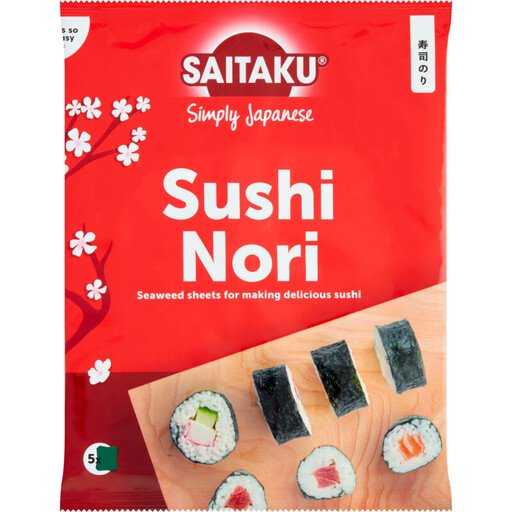
Why this fits the profile: This pack contains 5 sheets, making it ideal for a first sushi night or a small meal without building up a large stock.
The small quantity limits waste and makes the difference between sushi nori and seasoned snacks clear.
5 sheets, ingredients with red algae from aquaculture, and a product description that mentions sushi and salads as uses.
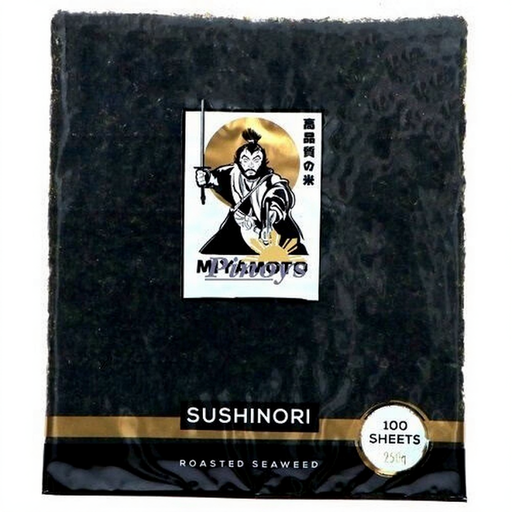
Why this fits the profile: The large stock suits enthusiasts who regularly make sushi, kimbap, wraps or rice dishes.
The number of sheets and size are clearly stated, so you can match the stock to heavy use.
100 roasted sheets measuring 19 x 21 cm; according to the product information, suitable for sushi, kimbap and wraps.
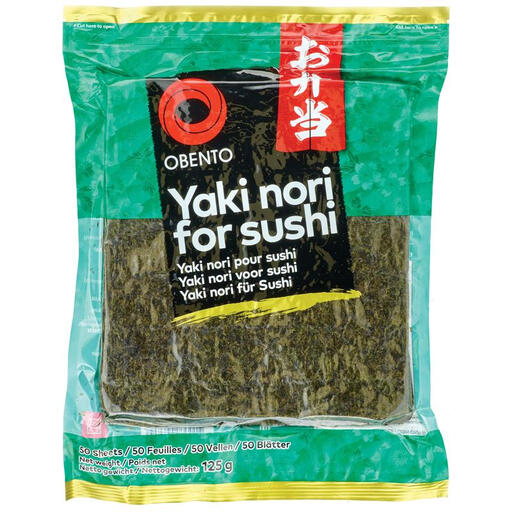
Why this fits the profile: 50 sheets are practical for families, regular home cooks and small catering occasions.
It’s an unseasoned variety, so you can use it for both sushi and snacks without an extra layer of flavour.
50 sheets and 125g; the product information lists roasted seaweed sheets for sushi and snacks.
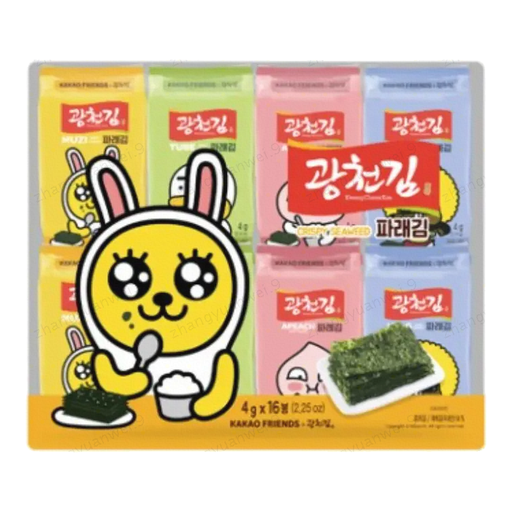
Why this fits the profile: The portion packs are handy for lunch, on the go or to hand out at a gathering.
The 16 portions prevent a whole pack from being exposed to air and moisture each time.
16 packs of 4g each; seasoned with canola, perilla and sesame oil. Contains sesame.
We’ve put together a full, up-to-date list of products that fully meet these strict selection criteria and current European safety regulations.
Nori is usually processed into thin sheets for sushi, onigiri and hand rolls. Wakame is a different type of seaweed that is often sold dried and used in soup or salad after soaking. Always check the preparation instructions on the packet.
Store dry seaweed sheets in a cool, dry place away from direct sunlight. Seal the packet tightly and keep moisture away. According to product information, seasoned kelp strips sometimes need to be refrigerated after opening. The instructions on the label are what you should follow.
For a small meal, 5 to 10 sheets are often enough. For a family, party or regular use, packs of 50 or 100 sheets are more practical. When calculating, don’t just think about the number of sushi rolls – also allow for any tears and extra sheets for onigiri or rice snacks.
