
Vandaag of morgen in huis

Kwaliteit gegarandeerd

Welkomstaanbiedingen ontgrendelen: GRATIS bezorging | Tot 80% korting | Gratis 30 dagen JoyPlus-proefperiode
Download de app
If you want to buy seaweed, you’ll soon notice a wide range of shapes, flavours, pack sizes and preparation methods. A crispy Korean seaweed snack is very different from dried wakame for soup, while a chilled or frozen seaweed salad needs to be stored differently again.
The product name alone doesn’t tell you enough. Think about what you want to use it for, check how much salt and sugar it contains, and make sure you know whether it’s ready to eat.
Dried seaweed usually needs to be soaked first, and sometimes blanched or boiled. So a product called wakame could be either a dried ingredient or a ready-to-eat salad.
Dried wakame is handy for soup, hotpot and stir-fries because you can store it at room temperature. A wakame salad, on the other hand, is meant to be served straight after defrosting. Always check the instructions before you order.
Seaweed snacks often contain oil, sugar, flavour enhancers, vinegar, chilli or other seasonings too. That’s not necessarily a problem, but it does affect the flavour and nutritional value.
According to the product specifications, Wei Long Fengchi Kelp is 76% kelp and contains 8,23 grams of salt per 100 grams. Bestore Undaria Pinnatifida contains 2.850 milligrams of sodium per 100 grams, according to the nutrition information provided. So compare the label per 100 grams, rather than looking only at the pack size.
A frozen seaweed salad should stay frozen until you’re ready to use it. After defrosting, keep it chilled and don’t refreeze it, according to the product information. A dry pack, by contrast, needs to be kept somewhere cool and dry, away from moisture.
Check for allergens too. Various seasoned products may contain soya, sesame, mustard, wheat, gluten and fish. Check the packaging when your order arrives, as the current label and preparation instructions should always take priority.
So if you want to buy a seaweed snack, decide first whether convenience or versatility matters most to you.
A simple dried variety may contain just seaweed and salt. Seasoned products often have a longer ingredients list. Check for:
A spicy variety won’t necessarily suit every dish. A strongly seasoned wakame salad, for example, could overpower the flavour of a mild soup.
Net weight can vary considerably. A 20 or 50 gram pack is a good size to try, while a 1 kg pack makes more sense for families, catering-style use or anyone who regularly cooks Asian dishes.
Before ordering, check:
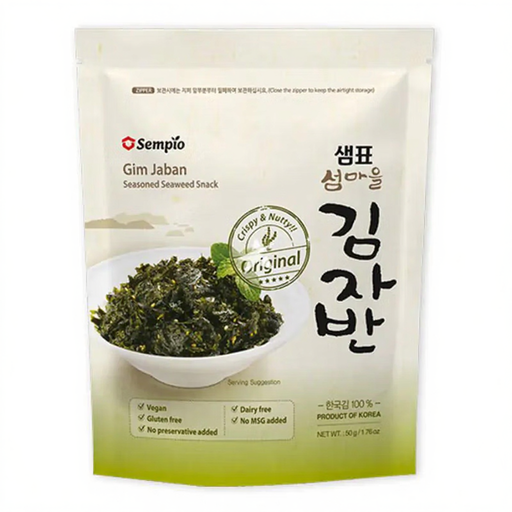
Why it suits this profile: The small pack is an easy way to try a Korean seaweed snack without buying a large supply. This product is intended as a crispy snack.
The product information clearly identifies it as seasoned laver and lists sesame as an allergen. This makes it easy to tell apart from dried wakame for cooking.
50 grams, ready to eat and, according to the ingredients list, made with seaweed, sesame seeds, sesame oil and salt, among other ingredients.
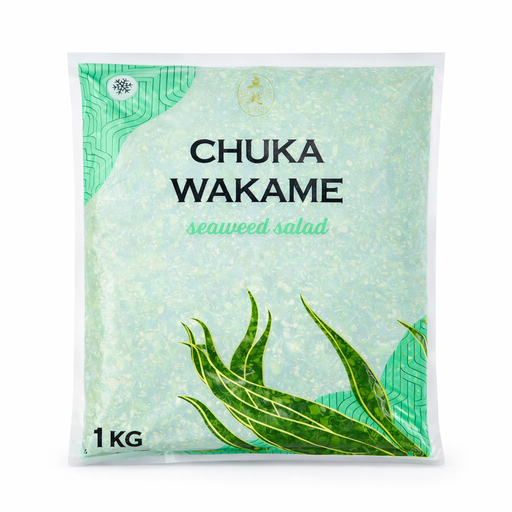
Why it suits this profile: The large pack is ideal for households that often serve seaweed salad, for example with rice dishes, sushi or a buffet.
The storage instructions make clear that the product must stay frozen and be kept chilled after defrosting. That way, you won’t buy a dry snack expecting a salad.
1 kg, ready to eat after defrosting and, according to the listed ingredients, made from wakame.
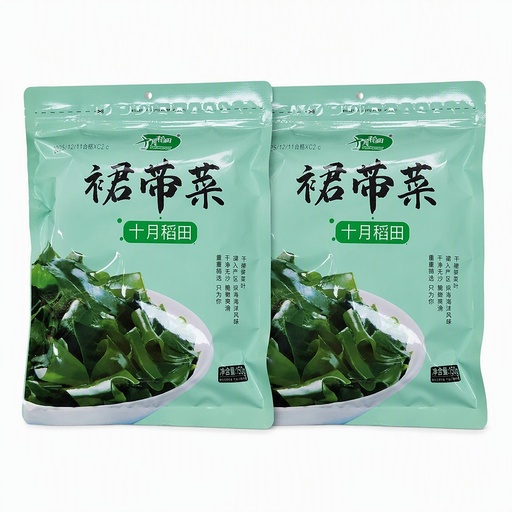
Why it suits this profile: This dried wakame is intended for use in Chinese dishes, soups, hotpot, cold salads and stir-fries.
The preparation instructions say to soak it and, for a cold salad, blanch it. So you’ll know in advance that this isn’t a ready-to-eat seaweed salad.
300 grams in total, can be stored without refrigeration and suitable for soup, hotpot, salads and stir-fries.
We’ve put together a complete, up-to-date list of products that meet these strict selection criteria and the applicable European safety regulations.
That depends on the type of product. Seasoned laver snacks and many ready-made salads can be eaten straight away, according to the product description. Dried wakame needs to be soaked first and sometimes briefly blanched or boiled. Always follow the instructions on the packaging.
Keep frozen seaweed salad in the freezer until you’re ready to use it. After defrosting, keep it in the fridge and use it within the stated period. Don’t refreeze it. Shelf-stable seasoned snacks should generally be stored somewhere cool and dry, out of direct sunlight.
Compare salt, sugar and fat per 100 grams, as well as the proportion of seaweed. Seasoned snacks and salads can have quite different nutritional values from a simple dried variety because of the oil, sugar and seasonings they contain. If you eat seaweed regularly, you can also follow any guidance on the packaging about moderation and iodine.
