
Vandaag of morgen in huis

Kwaliteit gegarandeerd

Welkomstaanbiedingen ontgrendelen: GRATIS bezorging | Tot 80% korting | Gratis 30 dagen JoyPlus-proefperiode
Download de app
The start of a new school year or a new hobby often comes with a long list of required supplies. However, shopping for school supplies can be a daunting task. Stores are filled with products that look appealing but are disappointing in practice. As a Joybuy Product Recommendation Officer, I'm here to help you see through the marketing hype and make choices that are genuinely useful.
Before you fill your shopping cart, it's wise to consider a few common pitfalls:
To avoid wasting money, it's smart to pay attention to a few key specifications. These details determine whether a product will do its job well and last a long time.
Not all pens and pencils are created equal. The hardness of a pencil, indicated by a code like HB or 2B, is important. HB is a standard hardness, ideal for writing. 2B is softer and darker, making it more suitable for drawing. For pens, the type of ink is crucial. Gel pens often write smoothly, but look for quick-drying varieties to prevent smudging, especially for left-handers. For tools like a compass, a metal construction is generally more durable and precise than a plastic one.
Ergonomics are especially important for children learning to write. Triangular pencils help develop a proper pen grip. For longer writing sessions in high school or at the office, a pen with a soft, non-slip grip can reduce hand fatigue. The quality of the paper also matters. A planner or notebook with sturdy 100g paper prevents ink from bleeding through to the next page.
Choose tools designed for the task at hand. A sharpener with two holes is useful for both standard and thicker coloured pencils. A built-in reservoir for shavings keeps the pencil case and workspace clean. For maths, a calculator with a check-and-correct function is practical. And for those who like to work neatly, erasable pens are a game-changer.
Below are some product recommendations, tailored to specific user profiles.

Why This Fits Their Persona: For primary school children, a good writing posture is essential. The triangular shape of these pencils encourages correct finger placement and reduces hand cramps.
This product focuses on ergonomics rather than just a fun appearance. The high-quality wood prevents splintering when sharpening, a common problem with cheap pencils from bulk packs.
The triangular shape with grip holes supports the pen grip. The HB graphite lead is suitable for daily writing tasks.
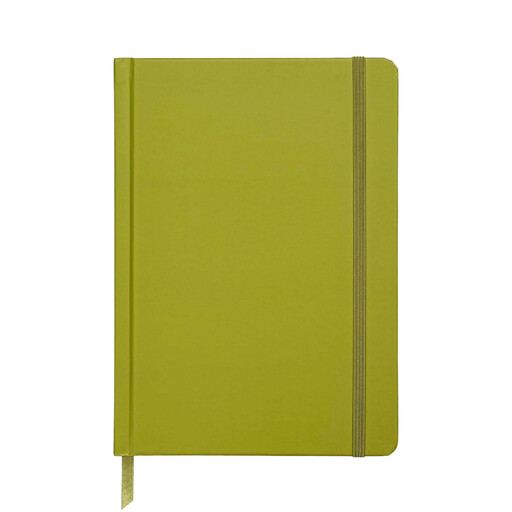
Why This Fits Their Persona: A high school student needs a sturdy and flexible planner. This undated model can be started at any time of the year, and its hardcover protects the contents in a packed school bag.
This isn't a planner filled with unnecessary frills. It's a functional planning tool. The sturdy 100g paper prevents bleed-through, a common issue with cheaper planners.
The undated 18-month design offers maximum flexibility. The sturdy cover and high-quality paper are built for heavy use.

Why This Fits Their Persona: For hobbyists and creative students, the quality of art supplies is important. These alcohol-based markers offer vibrant colours and a dual tip for both broad strokes and fine details.
Instead of a random set of markers that dry out quickly, this is a deliberate choice. According to the manufacturer, Faber-Castell, the alcohol-based ink is quick-drying and waterproof, which enhances the quality of the final artwork.
The dual tip (a flexible brush tip and a 0.6 mm fineliner) makes the markers versatile for various drawing styles and techniques.
We have compiled a complete, up-to-date list of products that meet these selection criteria and practical requirements.
A basic list for high school usually includes:
Always check the specific school's guide, as it often lists the exact requirements for each subject.
This depends on the use case. For daily writing, HB pencils and gel pens with quick-drying ink are a practical choice. For art classes, pencils with a softer lead, such as 2B, are often better. For young children still developing their pen grip, triangular pencils provide good support.
Not necessarily. Price is not the sole indicator of quality. It's about the balance between durability, functionality, and cost. A sturdy metal compass that costs a few euros more is a better investment than a cheap plastic one that breaks halfway through the school year. On the other hand, a simple, reliable pen can sometimes be more pleasant to write with than an expensive designer pen. Focus on the specifications that are important to you or your child.
