
Vandaag of morgen in huis

Kwaliteit gegarandeerd

Welkomstaanbiedingen ontgrendelen: GRATIS bezorging | Tot 80% korting | Gratis 30 dagen JoyPlus-proefperiode
Download de app
Looking to buy sauces online for stir-fries, marinades, snacks or an international meal? Comparing them may seem straightforward, but product names do not always tell the whole story. A chilli sauce may be primarily sweet, while a hot sauce may contain a lot of vinegar and salt. A large bottle is not automatically better value if you only use the sauce a few times.
As a Joybuy Product Recommendation Officer, I filter product information according to practical points: ingredients, quantity, allergens, uses and storage instructions. This helps you see more quickly which sauce suits your kitchen and avoid a disappointing purchase.
Terms such as chilli sauce, hot sauce and spicy sauce do not always indicate how the flavours are balanced. Sweet chilli sauce often contains a lot of sugar, while hot sauce usually relies more heavily on chilli and vinegar. That is why you should check the ingredients list and nutritional values per 100 grams or millilitres.
For example: according to the product information, Inproba Sweet Chilli Sauce contains 42 grams of sugar per 100 grams. This makes it suitable if you are looking for a sweet and spicy dipping sauce or marinade, but less suitable if you are expecting a dry, sharp heat.
Bottles of 600 to 850 ml are useful for families, frequent home cooks or dinner parties. For occasional use, a smaller pack may be more practical. Opened sauces should generally be sealed properly and stored according to the label. Some products need to be refrigerated after opening.
So do not compare only the price, but also quantity, shelf life and frequency of use.
Asian sauces regularly contain soya, wheat, fish, crustaceans or sesame. Oyster sauce, for example, often contains soya and wheat as well as oyster extract. Japanese mayonnaise may contain egg, soya and mustard. Always check the current packaging, particularly if you have an allergy or food intolerance.
Use the ingredients list to determine what a sauce is suitable for:
Brands may make flavour or quality claims. Do not treat these as independently proven effects. According to Lee Kum Kee’s own product description, the minced garlic sauce is intended for stir-frying, dipping and marinating, among other uses. The specific ingredients and nutritional values then provide additional insight into its composition.
Check whether you will receive a bottle, jar or squeezy bottle, and how much product it contains. A 300-gram jar is suitable for snacks and small meals; a bottle of 725 ml or more is better suited to regular cooking.
Also pay attention to:
You often use sauces in small quantities, but the differences between products can be substantial. Fish sauce and oyster sauce contain relatively high levels of salt. For example, the supplied product information for Squid Fish Sauce states that it contains 25.2 grams of sodium per 100 grams. Use this type of sauce as a flavour enhancer and add any extra salt later.
Japanese mayonnaise, on the other hand, has a higher fat content. Kewpie Mayonnaise Japanese Style lists approximately 79 grams of fat per 100 grams. This may be desirable for a creamy dressing, but it is worth considering when comparing nutritional values.
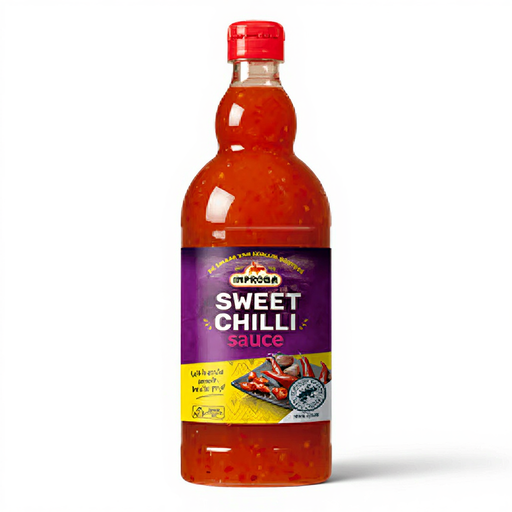
Why it suits this profile: The large bottle is practical for snacks, stir-fries and marinades in a household that uses sauce regularly.
The product information clearly states 850 ml and 7.4% chilli pepper. This makes the flavour profile easier to assess than an unclear “spicy” claim.
Suitable as a dip, with grilled chicken and in a marinade; free from the 14 major EU allergens according to the product information.
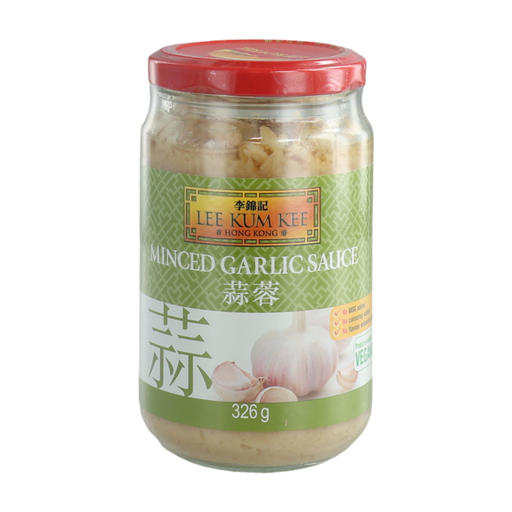
Why it suits this profile: A versatile option for home cooks who want to use one jar with noodles, dumplings, vegetables, meat and seafood.
The description specifically mentions 25% garlic, the 326-gram pack size and use as a dip, marinade and stir-fry sauce.
Ready to use and easy to combine with soya sauce, vinegar or sesame oil; refrigerate after opening according to the product information.
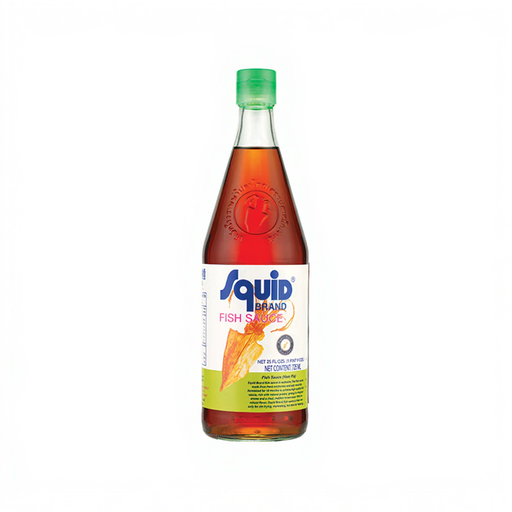
Why it suits this profile: For anyone who often cooks Southeast Asian dishes and uses a large bottle of fish sauce in soups, marinades and dips.
The ingredients are straightforward: 77% anchovy, salt and sugar. This makes it clear that it is a pronounced fish sauce rather than a mild dipping sauce.
725 ml quantity and clear fish allergen information; suitable for frequent use in the kitchen.
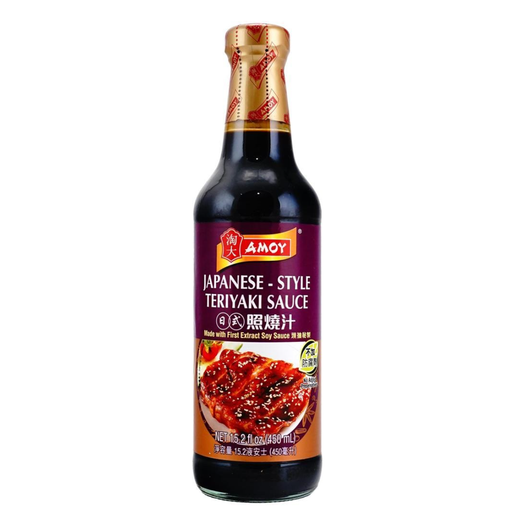
Why it suits this profile: A practical choice for teriyaki, marinades and dishes where you want to use a glossy, sweet and savoury sauce.
The product information lists the main ingredients: soya sauce, sugar, water and sweet rice wine. Soya and wheat are also listed as allergens.
450 ml quantity, suitable for vegetarians according to the product description, and suitable for cooking and marinating.
We have put together a complete, up-to-date list of products that fully meet these strict selection criteria and the applicable European safety regulations.
That depends on the dish. Oyster sauce, teriyaki sauce, fish sauce and garlic chilli sauce are practical choices for wok dishes. However, check the salt content and add the sauce gradually. Combining oyster sauce with vegetables and a small amount of chilli sauce creates a different flavour from using hot sauce alone.
Always follow the label for the specific product. Many shelf-stable sauces should be sealed properly after opening and stored in a cool or dark place. The product information for Lee Kum Kee Minced Garlic Sauce and Tan Tan Xiang Chili Sauce states that they need to be refrigerated after opening. Use clean cutlery or a clean spoon to avoid unnecessarily contaminating the contents.
It can be, but compare the price per 100 ml or 100 grams. A large bottle such as Squid Fish Sauce at 725 ml or Inproba Sweet Chilli Sauce at 850 ml makes the most sense when you use the sauce regularly. For trying a product for the first time or for limited use, a smaller pack can help prevent waste.
