
Vandaag of morgen in huis

Kwaliteit gegarandeerd

Welkomstaanbiedingen ontgrendelen: GRATIS bezorging | Tot 80% korting | Gratis 30 dagen JoyPlus-proefperiode
Download de app
Buying sauces online might seem straightforward, until you have to choose between chilli sauce, sriracha sauce, sweet chilli sauce, garlic sauce, salad dressing and dozens of international varieties. An attractive bottle tells you very little about the taste, ingredients or how to use it. With these practical checks, you can avoid a bad purchase and pick a sauce that suits your meals and dietary preferences.
A bottle of 800 or 850 ml might look good value per millilitre, but only if you use the sauce regularly. For a household that only occasionally uses a dressing or dipping sauce, a smaller bottle can make more sense. Alongside the total price, always check the price per 100 ml or 100 grams.
Also pay attention to the shelf life and storage instructions. Some products need to be refrigerated after opening. A large bottle that you use up slowly might not be the best fit for your needs.
Spiciness isn’t labelled the same way by every brand. A hot sauce can taste sharp mainly because of vinegar, while a chilli sauce might contain more sweetness, garlic or umami. So look at the ingredients and usage advice.
A sweet chilli sauce, for example, often lists sugar as a main ingredient. A classic hot sauce, on the other hand, may consist mostly of chillies, vinegar, water and salt. If you’re looking for a sauce for everyday use, it’s wise to start small or combine several flavour profiles.
Always check the label if you’re looking for a gluten-free, vegetarian or vegan sauce. A product might seem suitable based on the online description, but a recipe change or cross-contamination warning on the packaging can give you extra information.
Pay particular attention to common allergens:
Don’t just look at the name “vegetarian sauces” or “vegan sauces”; check the ingredients list. Healthy Boy Mushroom Vegetarian Sauce is described in the product information as suitable for vegetarians and vegans, but it does contain soya and wheat. That makes it less suitable for anyone avoiding these allergens.
Amoy Japanese Teriyaki Sauce lists soya, wheat, sugar and mirin. This sauce can work well in stir-fries or marinades, but it isn’t suitable for a gluten-free diet. For a salad, a simple dressing like Remia Natural Salad Dressing can be more practical; according to the product information, it contains none of the 14 main EU allergens and is gluten-free. Always check the current packaging before buying.
First, decide what you need the sauce for:
Also check the nutritional information. Sauces can be relatively high in salt, sugar or fat. Maekrua Oyster Sauce, for example, lists 7.6 grams of salt per 100 grams. That doesn’t mean you should avoid it, but it does mean a small amount is usually enough to flavour a dish.
A squeezy bottle is handy for everyday use, while a jar or large bottle can be better for families or heavy use. Check whether the packaging needs to be refrigerated after opening and how long the product can be used afterwards.
A small 142 ml bottle, like Encona Hot Pepper Sauce, is ideal if you want to try a flavour for the first time. For regular use, a larger bottle of sweet chilli sauce or a 600 ml jar of oyster sauce can be more practical. Store sauces according to the label, seal the packaging properly and don’t use any product where the seal or packaging is damaged.
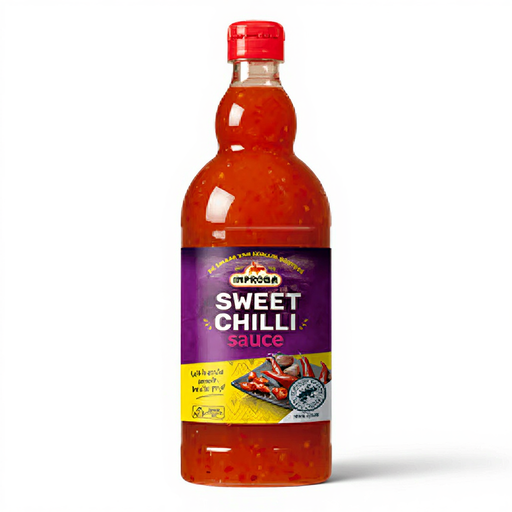
Why this fits the profile: The large size is ideal for anyone who regularly makes dips, stir-fries, marinades or snacks with sweet chilli sauce.
The usage is broadly described and the allergen information lists none of the 14 main EU allergens. Always check the current label, though.
850 ml; 7.4% chilli pepper according to the product information; suitable as a dip and marinade.
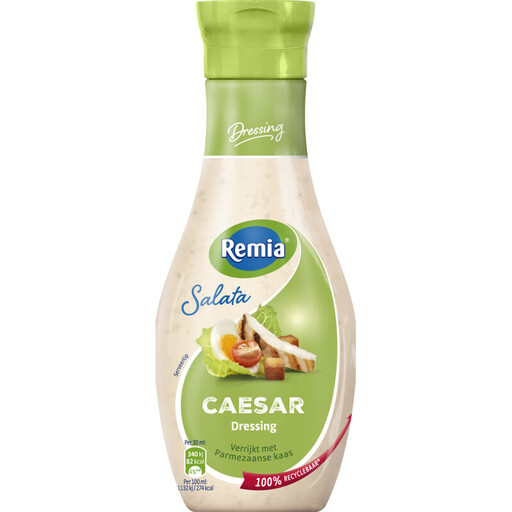
Why this fits the profile: A creamy dressing with garlic and Parmesan cheese for salads and raw vegetables, in a compact size.
The size reduces the chance of a dressing being left unused. The product information states no gluten; milk, egg and mustard are present.
250 ml; 26 grams of fat and 1.3 grams of salt per 100 ml according to the stated nutritional values; handy pouring bottle.
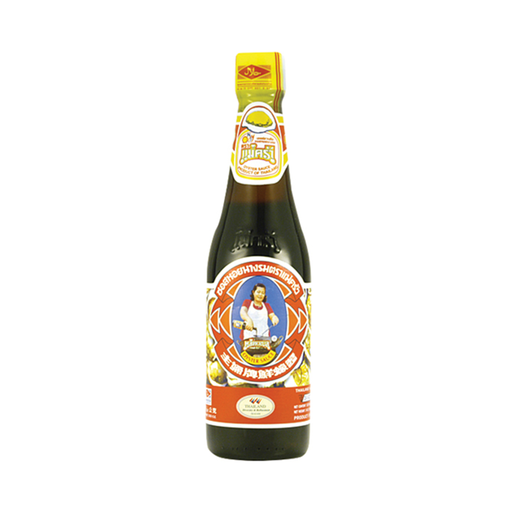
Why this fits the profile: A larger bottle for Asian dishes, stir-fry meals and marinades where a savoury umami flavour is desired.
The packaging clearly states oyster extract and soya. This means you can see before buying that it isn’t a vegetarian or vegan sauce.
600 ml; 30% oyster extract according to the product information; suitable for cooking and seasoning.
We’ve put together a full, up-to-date list of products that fully meet these strict selection criteria and comply with current European safety regulations.
That depends on your preference. A Caesar dressing is creamy and, according to the product information, contains garlic and Parmesan cheese. A natural salad dressing is lighter in flavour and can also be used with raw vegetables. If you have allergies, always check the ingredients.
Follow the instructions on the packaging. Many shelf-stable sauces should be kept tightly sealed and away from direct sunlight. Some dressings and lemon juice dressings need to be refrigerated after opening. Also check the stated shelf life and don’t use any damaged or leaking packaging.
That varies depending on the size, brand and delivery costs. Compare the price per 100 ml or 100 grams and check the minimum order quantity. A larger bottle is especially practical if you use the sauce regularly. For a new flavour, a smaller bottle is often a sensible choice.
