
Vandaag of morgen in huis

Kwaliteit gegarandeerd

Welkomstaanbiedingen ontgrendelen: GRATIS bezorging | Tot 80% korting | Gratis 30 dagen JoyPlus-proefperiode
Download de app
If you’re buying sauces online, you’ll quickly see hundreds of options: from chilli sauce and sweet chilli sauce to barbecue sauce, mayonnaise, salsa and Korean BBQ sauce. The packaging often tells you which dish you can use it with. But to make a good choice, it’s the ingredients, content, allergens and application that really matter.
A large bottle isn’t automatically better value if you only use the sauce occasionally. And a product labelled “extra hot” might be pleasantly spicy for one person but far too strong for another. With these practical checkpoints, you can compare sauces based on information you can actually verify.
A 700 ml or 850 ml bottle often has a lower price per millilitre, but it may not suit how much you actually use. Sauces containing egg, oil or dairy can have specific storage advice once opened. So always check the shelf life after opening and, if needed, work out the price per 100 ml.
Heat can come from chilli pepper, chilli powder, pepper extract or a combination of these. Tabasco Red Pepper Sauce, for example, lists vinegar, red pepper and salt as ingredients. With a spicy mayonnaise, salsa sauce or Korean sauce, sugar, oil, soya or other flavourings can also affect the taste. So don’t just look at the name – check the ingredients list too.
A dipping sauce isn’t necessarily suitable as a marinade, and mayonnaise doesn’t work the same way as fry sauce. Pay attention to the texture and flavour profile:
First, check the allergens. Kikkoman Teriyaki BBQ Sauce with Honey lists soya and wheat. Oliehoorn Chips Sauce contains egg, mustard and wheat among other things. Saitaku Wasabi Mayonnaise lists egg, mustard and sulphites. This information is important if you have allergies, intolerances or are cooking for several people.
A product without the 14 main EU allergens isn’t automatically suitable for every dietary choice. If in doubt, read the full packaging. Product information on a webshop can change, and the packaging is the definitive source.
Compare products using the same unit. Sauces vary widely in sugar, fat and salt content. Here are a few examples from the available product information:
These figures don’t tell you which sauce to choose, but they do highlight the differences. Also consider the recommended serving size in practice: a small amount of Tabasco plays a very different role to a generous dollop of mayonnaise.
Check the net content and the type of packaging. A squeezy bottle with a dosing nozzle is handy for fry sauce or barbecue sauce. A glass jar can work well for salsa that you share with several people. After opening, check whether the sauce needs to be refrigerated and used within a certain period.
For Ajumma Republic Korean BBQ Sauce Spicy, for example, it states that the product must be refrigerated after opening and used within one month. Herdez Salsa Casera also has storage instructions for after opening. Always check the current packaging before you order.
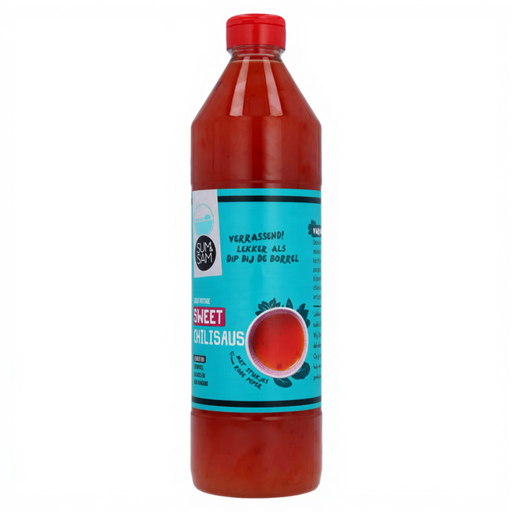
Why this fits the profile: A generous bottle for anyone who wants to use sweet chilli sauce with snacks, chicken, stir-fries and as a dipping sauce.
The product information states 4% chilli pepper and a content of 700 ml, so you can assess the flavour and quantity in advance.
700 ml; ingredients list with no mention of the 14 main EU allergens.
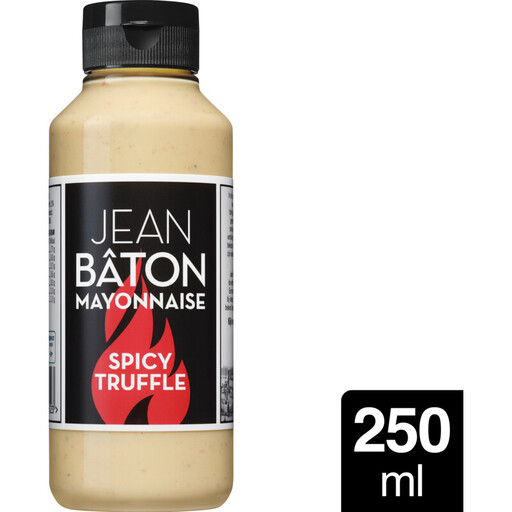
Why this fits the profile: For anyone looking for a creamy, spicy mayonnaise for burgers, chips, meat, fish or sandwiches.
The product description mentions 1.5% truffle and 1% chilli pepper, so the flavour direction is clearer than with a standard mayonnaise.
250 ml; contains pasteurised egg yolks and lists mustard seed as an allergen.
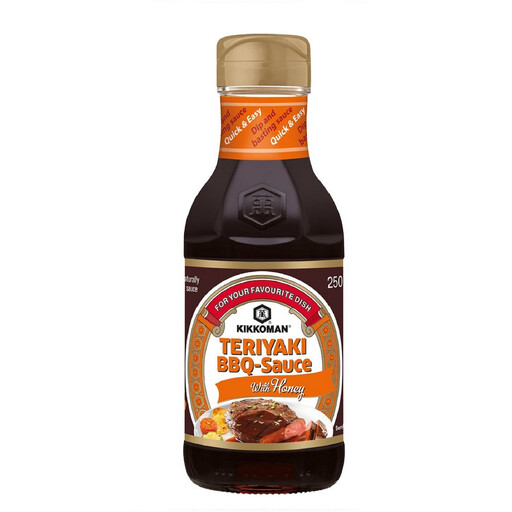
Why this fits the profile: A practical choice for marinating, grilling, cooking and dipping with meat, vegetables or noodles.
The product information gives the uses and allergens: soya and wheat. This means you can pair the product more precisely.
250 ml; product description mentions use as a marinade, dipping sauce and flavour enhancer.
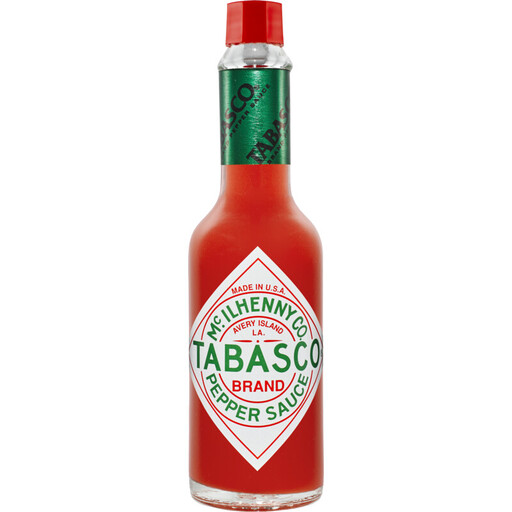
Why this fits the profile: For anyone who wants to add small amounts to pizza, pasta, meat dishes or sauces.
The ingredients list is short: vinegar, red pepper and salt. So you know exactly which base flavours you’re adding.
60 ml; 16 kcal per 100 ml according to the product information; suitable for measured use.
We’ve put together a full, up-to-date list of products that fully meet these strict selection criteria and current European safety regulations.
Mayonnaise, fry sauce and spicy mayonnaise are obvious choices. Fry sauce often has a lower fat content than traditional mayonnaise, but check the nutritional values per 100 grams or 100 ml. For extra flavour, you can add a small amount of chilli sauce or Tabasco.
Follow the label on the specific product. Some sauces need to be refrigerated after opening, while others can be stored in a cool, dry place according to the product information. Seal the packaging properly and don’t use the sauce if the packaging is damaged.
No. Sweet chilli sauce is usually more liquid and combines sugar, chilli and acid. Salsa sauce often contains tomato, onion, pepper or herbs and is mainly used with nachos, tortilla chips and Mexican dishes. Check the ingredients and choose based on the texture and application you want.
