
Vandaag of morgen in huis

Kwaliteit gegarandeerd

Welkomstaanbiedingen ontgrendelen: GRATIS bezorging | Tot 80% korting | Gratis 30 dagen JoyPlus-proefperiode
Download de app
Buying sauces seems simple, until you have to choose between chilli sauce, mayonnaise, chip-shop sauce, dips and dozens of international varieties. Eye-catching packaging tells you little about the flavour, ingredients or suitability for your dishes. A few simple checks can help you avoid buying a large bottle that ends up forgotten in the fridge.
A 700 or 850 ml bottle may seem like a good deal, but that saving disappears if you rarely use the sauce. Large bottles of sweet chilli sauce are a good fit for families or fans of Asian food, for example, while a smaller bottle may be more practical if you only eat dumplings or snacks now and then.
Always compare:
The perceived heat can vary from one brand to another. A sriracha sauce with a high chilli content may taste much hotter than a sweet chilli sauce with relatively little chilli and more sugar. Terms such as “zero sugar” also refer to nutritional content; they don’t automatically mean the sauce tastes like a classic chip-shop sauce.
Check the ingredients and nutritional information. For chilli sauce, look at the percentage of chilli, sugar and salt. For mayonnaise and creamy dressings, oil, egg yolk and any sweeteners are also worth checking.
Mayonnaise often contains egg and mustard. Japanese mayonnaise may also contain soya, or be made on production lines that handle soya. Dumpling sauce usually contains wheat and soya because it’s made with soy sauce. Always check the current packaging, especially if you’re managing allergies or intolerances.
Online product information is useful for narrowing down your options, but the label on the product you receive is the one to follow.
Start by thinking about when you’ll use the sauce. Mayonnaise and chip-shop sauce go well with chips and snacks. Chilli sauce and sweet chilli sauce are handy with chicken, spring rolls and raw vegetables. Sriracha sauce is ideal when you want to add extra heat to noodles, marinades or stir-fries.
Japanese mayonnaise makes a creamy addition to sushi, poke bowls and sandwiches. Dumpling sauce is made for dipping dumplings, but it can also be served with grilled meat or noodles. A Mexican dip, such as cheese dip, is a better match for nachos, wraps and tortillas.
Check the balance of flavourings and base ingredients:
Brand claims about “authentic flavour” or special effects are marketing statements. Don’t take them as established fact; base your choice on information you can check, such as ingredients, pack size, nutritional values and serving suggestions.
Check whether the sauce needs to be refrigerated after opening. This is stated explicitly in the product information for various Asian sauces. A squeezy bottle is handy for chips, sandwiches and snacks, while a jar or wide-necked bottle may be more practical for marinades and cooking.
Also check the shelf-life information. The date and any guidance on how long to keep the sauce after opening will be on the packaging. Don’t use a product if its packaging is damaged.
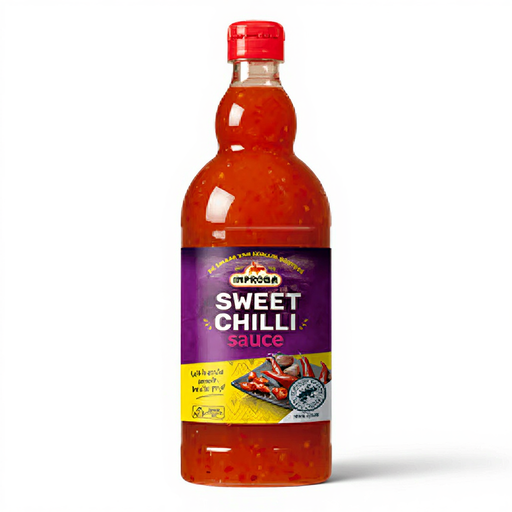
Why it suits this shopper: A generous bottle for anyone who regularly serves chicken, snacks, raw vegetables or Asian dishes.
The product information clearly lists the pack size, ingredients and suggested uses as a dip, flavour-booster and marinade.
850 ml pack; 7.4% chilli pepper; according to the product information, free from the 14 main EU allergens.
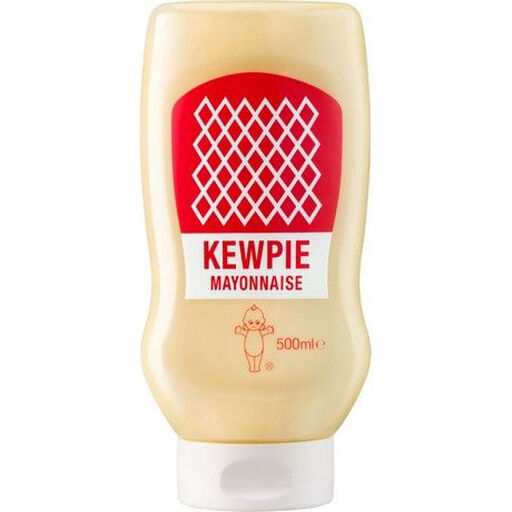
Why it suits this shopper: For anyone looking for a creamy mayonnaise to serve with sushi, salads, sandwiches, grilled meat or chips.
The product information lists the ingredients, nutritional values and allergens, including egg, soya and mustard.
500 ml pack; made with rapeseed oil and egg yolk; suitable for a range of hot and cold dishes.
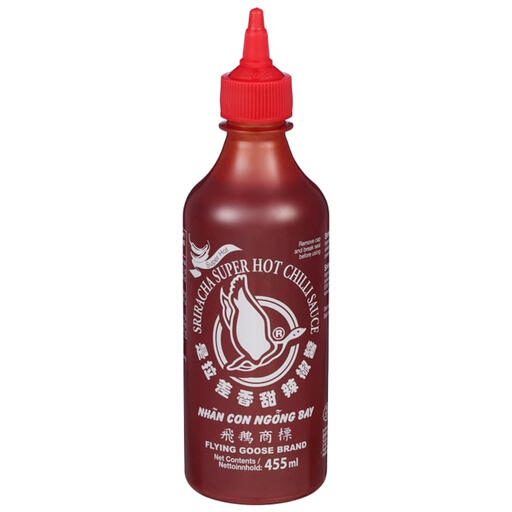
Why it suits this shopper: For fans of a seriously hot sauce to serve with noodles, stir-fries, marinades and snacks.
The “extra hot” claim is backed up by the stated 70% chilli content. Start with a small amount and adjust to taste.
455 ml pack; 70% chilli according to the product information; can be used as a dip, marinade and flavour-booster.
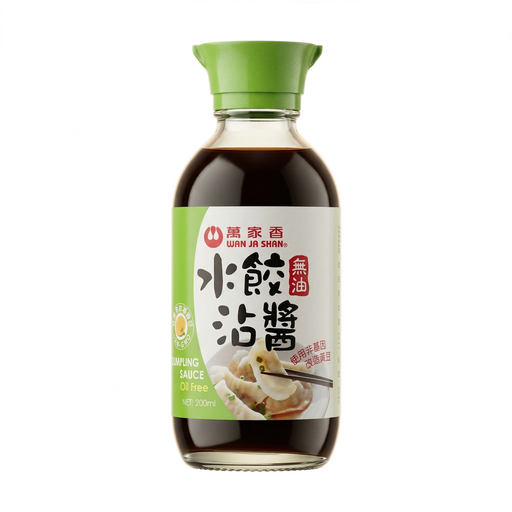
Why it suits this shopper: A great choice for dumplings, wontons, noodles and other Asian dishes.
Its use is clearly defined as a dumpling sauce, and the 200 ml pack helps reduce the risk of waste.
Oil-free according to the product name; contains soya beans and wheat, so check the label carefully if you have allergies.
We’ve put together a complete, up-to-date list of products that meet these strict selection criteria and current European safety requirements.
If you’re looking to order sauces online, the easiest way to sort through the range is by how you’ll use them:
When comparing products, don’t just look at the brand or packaging. Check the pack size, ingredients, allergens, nutritional values, storage instructions and the dishes you’ll actually use the sauce for.
Check the pack size, price per 100 ml, ingredients, allergens and storage advice. Make sure the product information also matches how you plan to use the sauce, whether for dipping, cooking, marinating or serving with chips.
It depends on the product. Follow the instructions on the label and make sure refrigerated products are kept in the fridge. Seal the packaging tightly, and don’t use the sauce if the packaging is damaged or its smell, colour or texture has clearly changed.
A dumpling sauce with soy sauce, vinegar and a savoury flavour is an obvious choice. Sweet chilli sauce and sriracha can also work if you’d like more sweetness or heat. Always check whether dumpling sauce contains soya and wheat.
