
Vandaag of morgen in huis

Kwaliteit gegarandeerd

Welkomstaanbiedingen ontgrendelen: GRATIS bezorging | Tot 80% korting | Gratis 30 dagen JoyPlus-proefperiode
Download de app
If you want to buy sambal for nasi, bami, stir-fries or snacks, you’ll quickly notice that jars with the same name can be quite different. One sambal is mostly ground chillies and salt, while another contains sugar, oil, shrimp or extra spices. The heat level isn’t always labelled in the same way either.
A smart choice therefore starts not with a flashy label, but with the ingredients list, allergen information, contents and intended use. That way, you avoid buying a large jar that’s too hot, or expecting a sweet chilli sauce when you actually need a dry, fiery seasoning.
Words like “hot”, “badjak” or “Madame Jeanette” give you an idea, but they aren’t a standard European heat scale. Sambal oelek is usually peppery and simple in composition. Sambal badjak is typically fried and often contains onion, garlic and spices. Sambal manis, on the other hand, refers to a sweeter Indonesian style.
So check the ingredients. If pepper or chilli appears near the top of the list, it’s likely to be a major part of the flavour. With a sweeter variety, sugar may make up a large proportion.
Not every red sauce is interchangeable. Calvé Samba Sauce, for example, is a lightly sweet, creamy sauce with oil, tomato, egg and mustard. That makes it suitable as a table condiment for wraps, vegetable skewers or barbecue dishes, but quite different from a classic sambal oelek.
A Thai chilli paste, such as nam prik pao, can also taste sweet, savoury and tamarind-like. You can use this paste as a base for soup, stir-fries or a dip.
If you eat vegetarian food or have an allergy, it’s wise to check the label on each product. Sambal with shrimp, trassi, shrimp paste or fish isn’t suitable for a vegetarian diet and may contain shellfish.
Some products explicitly state that they contain no MSG or E621. According to the product information, this applies, for example, to certain Flowerbrand sambals and the vegetarian Maepranom Maengda Chilli Paste. That doesn’t automatically mean every sambal is MSG-free. Always check the current packaging and ingredients list.
Pay attention to the balance of chilli, sugar, oil, vinegar, salt, garlic, onion and spices.
The 14 main EU allergens must be clearly stated on the label when present. Look in particular for soya, gluten, egg, mustard, fish and shellfish.
According to the product information, Maepranom Maengda Chilli Paste is vegetarian and free from shrimp and fish, but it does contain soya and gluten from wheat. Prima Taste Sambal Chilli contains 5% shrimp paste according to the ingredients list, so it’s not suitable for anyone with a shellfish allergy.
A 200g jar is practical if you want to try different varieties. For daily use or a large household, 750g can be more economical, but check whether the jar needs to be refrigerated after opening and used within a reasonable time.
Many products state: store in a cool, dry place away from direct sunlight. According to the product information, Maepranom pastes and Windmill Sambal Oelek need to be refrigerated after opening. Always follow the storage advice on the packaging.
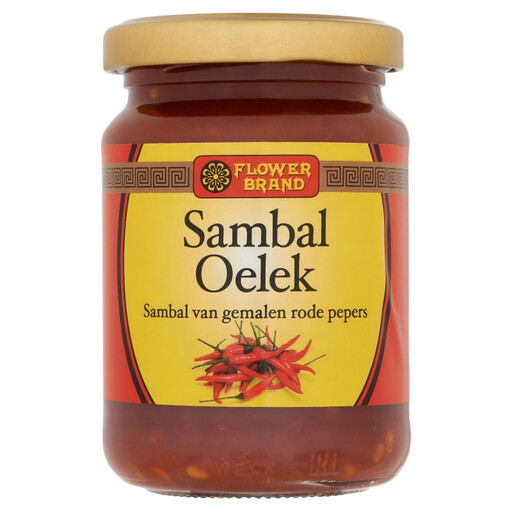
Why this fits the profile: A straightforward basic option for anyone wanting to use sambal oelek in nasi, bami, soups or marinades.
The product information states 87.7% ground red chillies and a short ingredients list. This makes the flavour profile clearer than with a creamy or heavily sweetened sauce.
200 g; according to the product information, free from the 14 main EU allergens; can be used as a seasoning or table condiment.
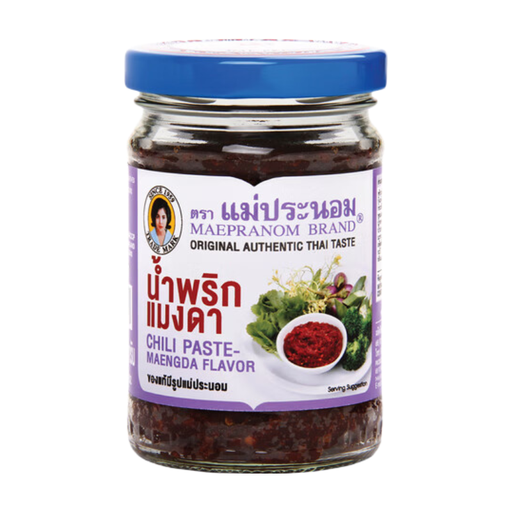
Why this fits the profile: For home cooks who want sweet, savoury and tamarind notes alongside the heat in Thai dishes.
The product information explicitly states that this vegetarian paste contains no shrimp, fish, artificial colours, preservatives or MSG. It does contain soya and gluten.
228 g; suitable for stir-fries, Tom Yum, dips and spreads; refrigerate after opening.
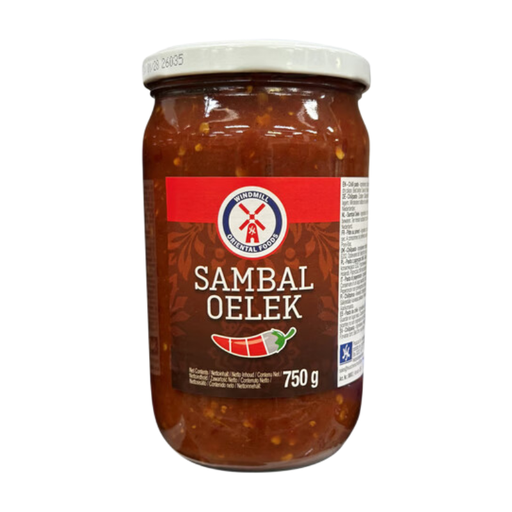
Why this fits the profile: A large size for families, frequent home cooks, catering or anyone who regularly adds hot sambal to multiple dishes.
The composition is clear: according to the product information, the paste consists of 86% chilli peppers, salt, water, E260 and E211. There is no creamy sauce base.
750 g; usable in noodles, nasi, soups, marinades and dips; refrigerate after opening according to the product information.
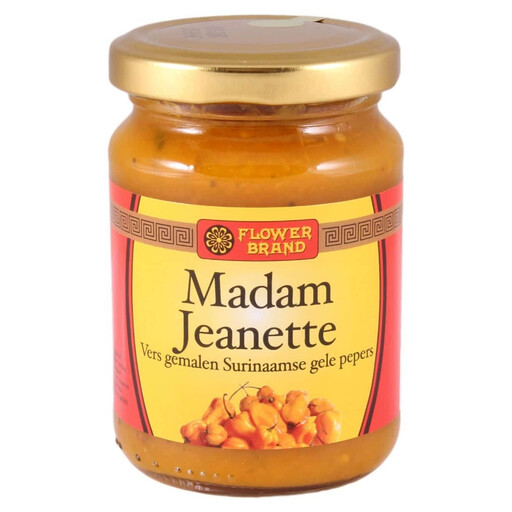
Why this fits the profile: For anyone looking for a Surinamese sambal with Madame Jeanette chillies and accustomed to a distinctly fiery flavour.
The product information states 92% Madame Jeanette, giving greater clarity about the dominant ingredient. Start with a small amount.
200 g; according to the product information, free from the 14 main EU allergens; suitable for small doses in rice and vegetable dishes.
We’ve put together a full, up-to-date list of products that fully meet these strict selection criteria and current European safety regulations.
Sambal oelek is a flexible choice when you mainly want to add extra chilli and heat. Sambal badjak gives a fuller profile thanks to the fried onion, garlic and spices. For a sweet-spicy nasi or bami, you could consider sambal manis. Always add a small amount first and taste as you go.
That varies by product. Check for shrimp, trassi, shrimp paste, fish or fish sauce. According to the product information, the vegetarian Maepranom Maengda Chilli Paste contains no shrimp or fish, but it does contain soya and gluten. A product without shellfish isn’t automatically free from all allergens.
The shelf life varies by brand and type. Store the jar according to the label, keep it tightly sealed and use clean utensils. Some Thai chilli pastes and large jars of sambal oelek need to be refrigerated after opening. The exact date and any recommended period after opening are stated on the packaging.
