
Vandaag of morgen in huis

Kwaliteit gegarandeerd

Welkomstaanbiedingen ontgrendelen: GRATIS bezorging | Tot 80% korting | Gratis 30 dagen JoyPlus-proefperiode
Download de app
Buying running shoes seems simple, until you have to choose between soft cushioning, a low weight, extra grip, and dozens of technical terms. Marketing copy often emphasises speed or energy return, but doesn't always tell you which surface and type of training a shoe is suitable for.
That's why the right choice starts not with the brand, but with how you'll use them. Do you mainly run on city pavements, are you training for a marathon, or are you looking for men's running shoes or women's running shoes for gentle jogs? Below are the key points to check and a few products that suit different runner profiles.
Light, stiff shoes with a plate or a pronounced rocker geometry can seem appealing. However, they aren't automatically suitable for daily use. A model designed for speed training or race preparation might be less practical for easy miles, commuting, or longer walks.
Therefore, look at the purpose stated in the product description. The adidas Adizero Boston 13, for example, is described as a shoe for intensive training sessions leading up to race day. That makes it more interesting for tempo work and preparation, but not necessarily the best choice for every beginner runner.
Running shoes with cushioning vary in foam type, thickness, and firmness. A soft midsole might feel comfortable when you try it on, but another runner might prefer a more stable and responsive feel. Pay attention to the weight, too: extra material can affect how agile the shoe feels.
You should also treat any manufacturer's claims about energy return as marketing information. A brand's internal research might mention certain percentages or performance gains, but such figures don't tell you exactly how the shoe will feel on your feet.
A size 42 in one model can fit differently from a size 42 in another. Some brands use fractional sizes like 43 1/3 or 44 2/3. For this reason, you should always check your foot length in centimetres or millimetres and compare it with the product's size chart.
When trying on shoes, make sure there's about a thumb's width of space in front of your toes. Your heel shouldn't slip, and your foot shouldn't be squeezed by the sides. If you have wide feet, you might benefit from a model with a wider fit, such as the Li-Ning Red Hare 9 Pro, according to its product description.
For running shoes for pavement, a flat rubber outsole with grip on dry and slightly damp surfaces is practical. A shoe for trail use often has a more aggressive tread, but that can feel less smooth on flat pavement.
The Salomon Aero Glide 2 W is specifically described for hard surfaces and urban routes. For UK cycle paths, pavements, and asphalt roads, this usage profile is clearer than a general claim about "all-round" performance.
Check which midsole is used. Examples from product information include:
These names describe the construction, but they don't solely determine the feel of the run. The sole geometry, fit, and stiffness also play a role. For daily training, look for a combination of cushioning, a stable fit, and an outsole that suits your route.
A mesh or textile upper is often used for breathable running shoes. This can be pleasant during longer training sessions or on warm days. Also, check for any reinforcements around the midfoot and how the lacing system is constructed.
A snug fit can be suitable for faster paces, while a slightly roomier forefoot might be more comfortable for long distances. It's best to try on running shoes with the socks you normally run in.
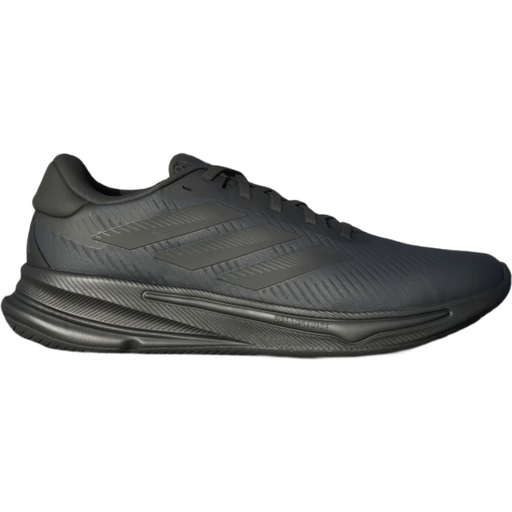
Why it fits this profile: The product description states this model is suitable for short to medium distances and for building a running routine. The breathable mesh and Dreamstrike midsole are practical features for regular use.
The model is not exclusively focused on race pace. The product information mentions a full Dreamstrike midsole, a regular fit, and a studded rubber sole.
Breathable mesh, Dreamstrike foam, and an adjustable lacing system. Available in size 42.
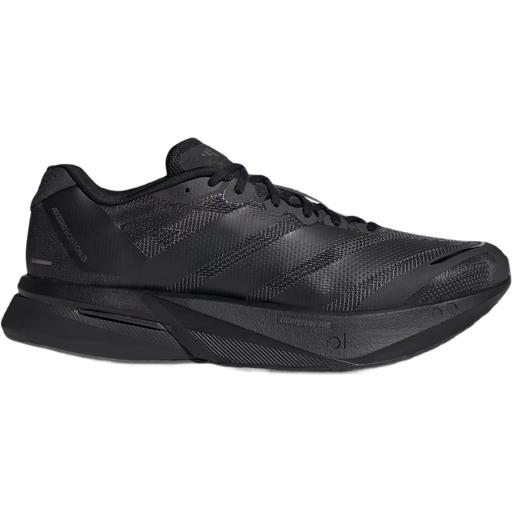
Why it fits this profile: According to adidas, this model is intended for intensive training sessions leading up to race day. The combination of a lightweight textile upper, Lightstrike Pro, and ENERGYRODS is ideal for runners who prioritise speed work.
Its application is clearly defined: speed training and race preparation. This ensures you don't buy a heavy daily model for a purpose it wasn't designed for.
Lightstrike Pro midsole, ENERGYRODS, Lighttraxion outsole, and Continental Rubber. This version is a size 43 1/3.
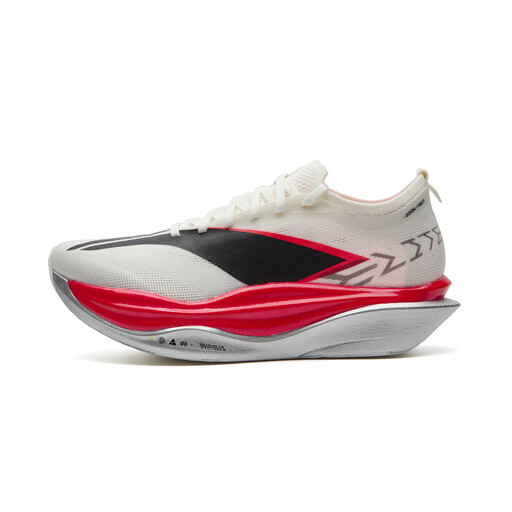
Why it fits this profile: The product description positions this model for marathon and race-day use. The carbon fibre plate, BOOM midsole, and GCU outsole are relevant specifications for runners specifically looking for race-day features.
The shoe is not presented as a universal training shoe. Its race-oriented fit and carbon fibre plate make it important to first match it to your running goals and preferences.
T1000 carbon fibre plate, BOOM FIBER upper, and GCU sole for grip on varied surfaces. Offered in EU size 42 1/3.
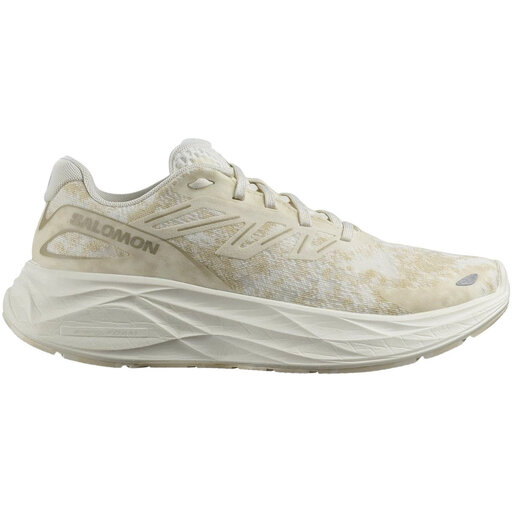
Why it fits this profile: According to the product description, this women's model is made for hard surfaces, urban routes, and daily training. This makes it a great fit for runners who primarily run on pavement and hard-packed paths.
The intended surface is explicitly stated in the product information. This means you don't have to judge a pavement model on features that are mainly intended for trails.
Textile and synthetic upper, a rubber sole, and a lace-up closure. The thick sole is described as having grip and cushioning for hard-surfaced routes.
We've compiled a complete, up-to-date list of products that fully meet these strict selection criteria and comply with current European safety regulations.
Measure both feet at the end of the day, as they are often slightly larger then. Use the measurement of your longer foot as a starting point and check the specific size chart. The range includes running shoes in size 42, running shoes in size 43 1/3, and models in size 44. An EU size is only useful if it corresponds to the stated foot length.
After a wet run, clean your shoes with a damp cloth and let them air-dry. Do not machine-wash your running shoes unless the manufacturer explicitly allows it. Avoid direct heat sources, as they can damage materials and glue. Replace a pair when the sole shows visible, uneven wear, the upper loses its shape, or the feel of the run changes noticeably. The lifespan depends on body weight, running distance, surface, and maintenance.
The price mainly depends on the materials, construction, and intended use. A daily training model with a rubber sole and simple foam construction may have a different price than a lightweight racing shoe with a carbon plate. Therefore, compare the specifications and fit first, not just the price or brand name.
There's no fixed mileage limit for every pair. Keep an eye on tread wear, cracks in the midsole, and changes in comfort. If you run several times a week, you can extend the life of your shoes by rotating them between training sessions and allowing them to dry properly.
They can be, but weight is just one factor. Beginners often benefit more from a reliable fit, sufficient cushioning, and an outsole that suits their route. A very light shoe for speed training is not automatically comfortable for easy daily miles.
