
Vandaag of morgen in huis

Kwaliteit gegarandeerd

Welkomstaanbiedingen ontgrendelen: GRATIS bezorging | Tot 80% korting | Gratis 30 dagen JoyPlus-proefperiode
Download de app
Rice noodles seem simple at first glance: rice, water and a short cooking time. Yet the wrong type can quickly turn into a sticky mess, break apart during cooking or simply not suit your dish. When shopping online especially, the difference between rice vermicelli, wide rice sticks and instant products isn't always immediately clear.
Marketing descriptions can also be confusing. A product might be described as "authentic", "light" or "gluten-free", while the ingredients list or preparation method tells you more. With the checklist below, you can avoid a bad purchase and choose more deliberately for pho, pad thai, salads, spring rolls or a quick meal.
Mihoen, rice vermicelli and rice noodles are sometimes used interchangeably in online shops. In practice, the thickness makes a big difference:
So don't just look for "Asian noodles" on the packet; also check the stated width and the recommended use.
Rice itself contains no gluten, but additives, sauces and production lines can contain wheat. With dry products that only contain rice and water, the risk of extra ingredients is smaller. With instant products, soya, wheat, sesame, sulphites, fish or shellfish can be present.
The product information for some items may also differ from the packaging. Therefore, always check the current ingredients list and allergen declaration before use. For a coeliac diet, "made from rice" on its own is not sufficient verification.
Many rice noodles don't need lengthy cooking. Thin rice vermicelli is often soaked for a few minutes in warm water and then rinsed. Other types require a quick blanch or can be cooked directly in broth.
Follow the preparation instructions on the packet. Rinse soaked noodles with cold water if you plan to stir-fry them later or use them in spring rolls. This stops the cooking process and helps them stay separate.
For rice noodles for pho or a Vietnamese bowl of broth, thin to medium-width strands are practical. For pad thai, rice sticks of around 3 mm are often more convenient, as they hold their structure better during stir-frying. For noodles for spring rolls, you'll usually choose fine rice vermicelli that softens quickly.
A short ingredients list makes it easier to assess the product. Sunlee Rice Vermicelli Noodles 400g, for example, lists rice flour and water and, according to the provided product information, contains none of the 14 main EU allergens. Bamboo Tree Bun Toui lists rice, tapioca, water and salt. Always check the packaging, especially if allergens are a deciding factor for you.
Pay extra attention to instant products. Bai Jia A Kuan Hot & Sour contains, among other things, sweet potato starch, sesame and wheat in the vinegar sachet. MAMA Oriental Style Instant Rice Vermicelli mentions possible traces of gluten, soya, shellfish, egg, fish, milk and celery.
A bag of 375 to 500 grams is practical for multiple meals. A box with individual portions is better suited to students, offices or a store cupboard where a quick meal is needed. Check the best-before date, storage instructions and the condition of the packaging. Store dry noodles in a cool, dry place, well sealed and away from moisture.
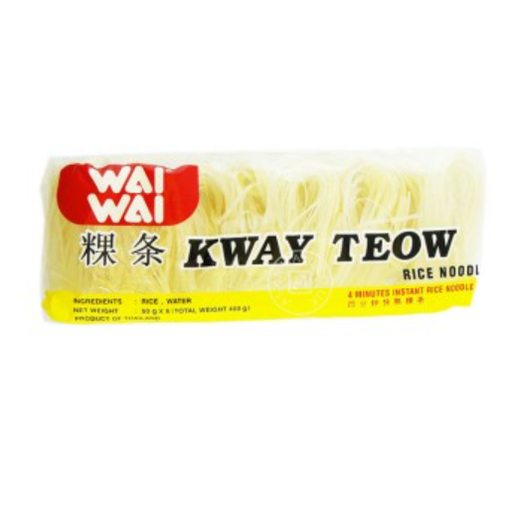
Why this fits the profile: A versatile bag for anyone wanting to try different Asian dishes without buying multiple types straight away.
The product information lists rice and water as the base and gives a clear quantity of 400 g. Check the packaging for the current preparation method.
400 g pack; suitable for several types of preparation; according to the provided information, free from the 14 main EU allergens.
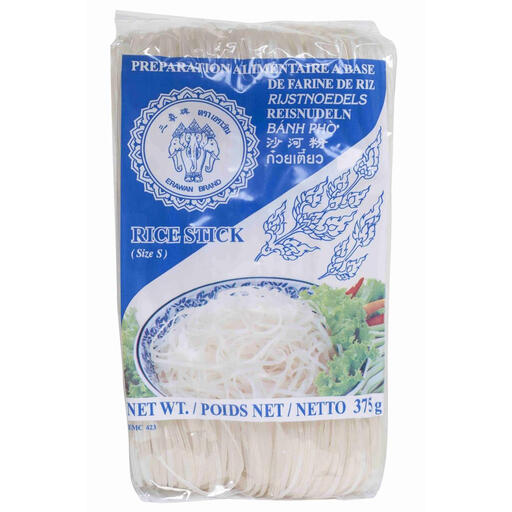
Why this fits the profile: For home cooks looking for thin vermicelli for salads, soups and fresh spring rolls.
The thickness of 1 mm is explicitly stated. This makes the intended use clearer than with a product that only says "rice noodles".
375 g pack; ingredients are rice and water; according to the provided product information, gluten-free.
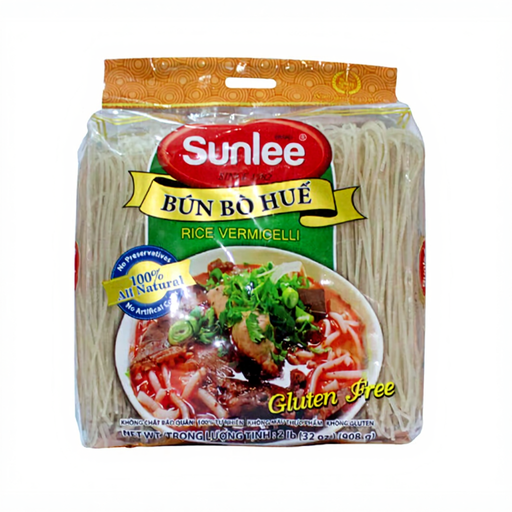
Why this fits the profile: A large pack for families, regular Vietnamese meals and meal prep.
The product name specifies its use for Bun Bo Hue and the contents of 908 g. This means you buy a suitable supply rather than individual portions.
908 g contents; intended for Vietnamese noodle soup; suitable for multiple family meals.
We've put together a full, up-to-date list of products that fully meet these strict selection criteria and current European safety regulations.
Instant products are handy for work, study, travel or a quick meal at home. Bai Jia Instant Vermicelli Hot & Sour is prepared with boiling water and has separate sachets for oil, spices and vinegar. MAMA Oriental Style Instant Rice Vermicelli is, according to the product information, ready in about three minutes. With this category, keep an eye on the salt content, portion size and any allergens present. Feel free to add fresh vegetables, egg or your own source of protein, depending on the ingredients and your diet.
If you want a neutral base for a homemade broth, it's better to choose dry rice vermicelli without flavour sachets. For a quick Chinese, Thai, Vietnamese or Korean meal, instant varieties are more practical.
No. Pure rice noodles can be gluten-free, but sauces, seasoning sachets or cross-contamination may contain wheat. Always check the current packaging and allergen information. Products such as Erawan Rice Vermicelli and Bamboo Tree Bun Toui are described as gluten-free in the provided information, but the label remains the deciding factor.
Soak or cook them according to the instructions. Rinse them with cold water after soaking if you plan to stir-fry them later or use them in spring rolls. Afterwards, you can mix them with a small amount of oil or sauce and don't leave them in hot water for longer than necessary.
Unopened dry rice noodles generally remain edible until the date on the packaging, provided you store them in a cool, dry place away from direct sunlight. After opening, the bag must be sealed well and protected from moisture. With instant products, also check the date and the condition of the individual sachets.
