
Vandaag of morgen in huis

Kwaliteit gegarandeerd

Welkomstaanbiedingen ontgrendelen: GRATIS bezorging | Tot 80% korting | Gratis 30 dagen JoyPlus-proefperiode
Download de app
Rice noodles seem simple at first glance: rice, water and sometimes tapioca. Yet the wrong type can quickly turn too soft in a wok, break apart in a soup, or simply not suit the dish you want to make. Even with instant rice noodles, there are differences in preparation time, flavour, allergens and salt content.
As Joybuy Product Recommendation Officer, I filter product information based on practical points. This way, you can see which specifications matter and avoid relying solely on an attractive packet or a flavour description.
A fine rice vermicelli of 1 mm is suitable for light salads, spring rolls and quick preparations. For pho or a hearty stir-fry, a thicker variety may be preferable. If you buy rice sticks without checking the diameter, you could end up with a completely different texture than expected.
Some instant rice noodles are ready in just a few minutes with boiling water. Other products need to be soaked, boiled or drained first. The A'Kuan Xinjiang Stir-Fried Rice Noodles 320g, for example, states that cooking is required. The instructions mention leaving them covered for 3 to 5 minutes with water above 95 °C, followed by draining.
Always check the preparation method. A product that seems suitable for the office or on the go may still require a bowl, colander or saucepan.
Dry rice noodles often contain few ingredients. With ready-made flavour packets, the allergen profile can be much more extensive. The A'Kuan Xinjiang variety lists, among others, lupin, wheat, soya and celery. Acecook Oh Ricey Instant Rice Noodles Beef contains soya according to the product information. So with products that include herb, stock or chilli packets, you need to check the full ingredients list, not just the name "rice noodles".
The thickness affects the cooking time and bite:
Bamboo Tree is available in 1, 3 and 5 mm varieties. This makes the diameter easy to compare before you order.
Check whether the noodles consist of just rice and water, or also contain tapioca, starch, oil, wheat or flavourings. Bamboo Tree Rice Noodles 3 mm lists rice, tapioca and water. Wai Wai Kway Teow lists rice grain and water. Farmer Brand Rice Stick Noodle 3 mm lists rice flour as an ingredient.
If you're looking for gluten-free rice noodles, you still need to check the packaging and allergen information. A product page may contain a different or more extensive warning than an earlier packet. Also look out for cross-contamination and any flavour sachets supplied with instant products.
A bag of 375 or 400 grams is practical for multiple meals, but requires more preparation than a single-serving packet of 70 grams. Instant rice noodles are handy for a quick meal, but flavour packets can be relatively high in salt. Acecook Oh Ricey, for example, states 5.64 grams of salt per 100 grams.
Use the nutritional values per 100 grams to compare products fairly. Also look at the net weight declaration: with an instant product, the total packet may include sauce and toppings, whereas a bag of dry noodles consists almost entirely of noodles.
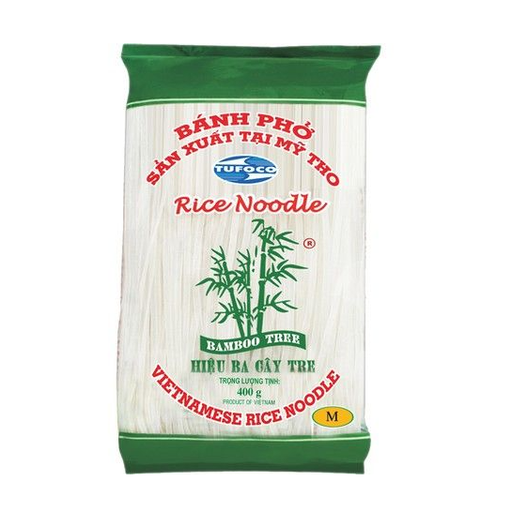
Why this fits the profile: The 3 mm thickness is versatile for stir-fries, soups and salads. The 400 gram packet is suitable for preparing multiple meals.
The diameter is clearly stated, so you don't have to guess based on the product photo. The ingredients list mentions rice, tapioca and water.
400 g content; 3 mm thickness; product information states none of the 14 main EU allergens.
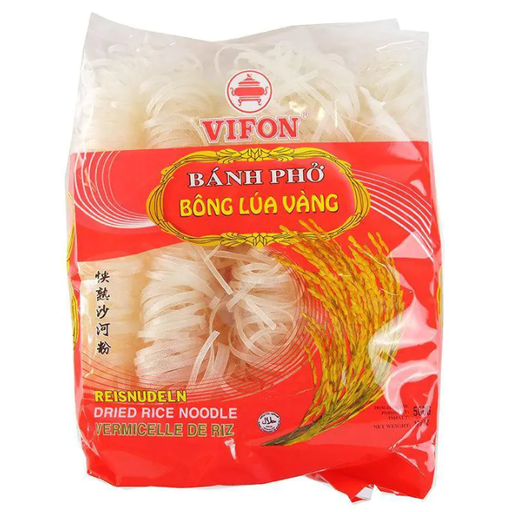
Why this fits the profile: These Vietnamese rice noodles at 5 mm are designed for pho, soups, stir-fries and salads. The large packet suits home cooks who regularly prepare Asian dishes.
The product information gives both the application and the diameter. For soup, soaking followed by a short boil is recommended; for stir-fries, a shorter soaking time is indicated.
500 g content; 5 mm diameter; according to the product information, made from rice and originating from Vietnam.
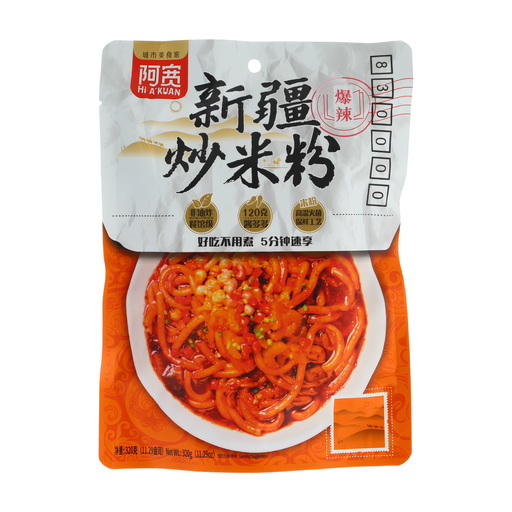
Why this fits the profile: This set contains rice noodles, sauce and vegetables. The spicy flavour and Xinjiang style suit those who want a complete meal with few separate ingredients.
The preparation instructions are specific and state that cooking is required. The allergens in the sauce, including wheat, soya, lupin and celery, are listed in the product information.
320 g total weight; sauce and vegetable packet included; spicy rice noodles with a complete preparation.
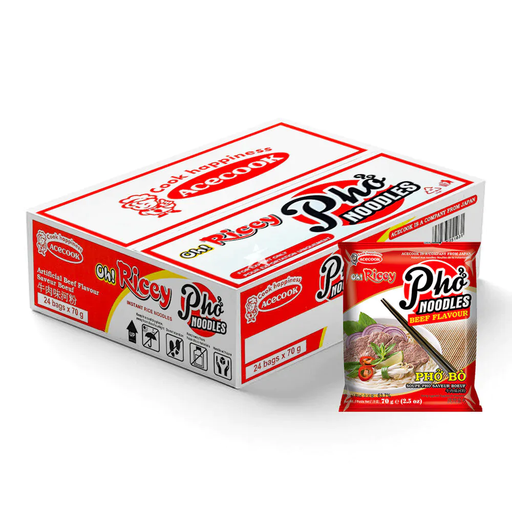
Why this fits the profile: The multipack contains 24 portions of 70 grams. According to the usage instructions, you just need to add boiling water and wait 3 to 4 minutes.
The portion size and waiting time are clearly stated. Do check the salt content and the presence of soya before buying a bulk pack.
24 portions; 70 g per packet; preparation with boiling water in 3 to 4 minutes.
We've put together a full, up-to-date list of products that fully meet these strict selection criteria and current European safety regulations.
Pure rice noodles made with only rice and water contain no wheat according to the ingredients list. However, you should always check the label for allergens and possible cross-contamination. With instant rice noodles, flavour sachets may contain wheat or soya.
The best-before date is on the packet. Store dry rice noodles in a cool, dry place away from direct sunlight. Seal an opened packet tightly and do not use the product if the packaging is damaged or damp.
Rice vermicelli is usually very thin, often around 1 mm. Rice sticks are typically wider, for example 3 or 5 mm. Thin vermicelli works well in salads and spring rolls; wider rice sticks are often more convenient for pho and stir-fries. The exact application depends on the diameter and the preparation instructions on the packet.
