
Vandaag of morgen in huis

Kwaliteit gegarandeerd

Welkomstaanbiedingen ontgrendelen: GRATIS bezorging | Tot 80% korting | Gratis 30 dagen JoyPlus-proefperiode
Download de app
A packet of rice noodles seems simple enough to pick, until you're standing in front of the shelf. Thin strands, wide rice sticks, rice vermicelli and instant varieties each have a different texture and preparation method. The wrong type can fall apart in soup, turn too soft in a stir-fry, or fail to absorb enough sauce.
So don't just rely on words like "authentic" or "quick to prepare". Always check the ingredients, thickness, cooking instructions and allergen information on the packaging.
"Vietnamese rice noodles", "Thai rice noodles" and "Chinese rice noodles" often refer to a style or intended use, but not always to a fixed size. Rice vermicelli is usually thin. Rice sticks are typically flatter or wider. So check the measurement in millimetres if it's listed.
Rice itself contains no gluten, but a composite product may still contain wheat, soy sauce or other allergens. This is especially true for instant rice noodles that come with a seasoning mix, broth or sauce.
Always read the current packaging. Product information on a website can change or be less complete than the label. If you have an allergy or coeliac disease, the allergen declaration on the packaging is what matters. Also look out for warnings such as "may contain traces of".
Some rice noodles need to be soaked, others boiled briefly, and still others simply covered with boiling water. Cooking them too long quickly makes thin noodles soft and sticky. For stir-frying, it's often wise to cook the noodles for slightly less time, as they will continue to cook in the pan.
The right choice depends on the texture you're after and the amount of liquid in the dish.
For rice noodles for pad thai, medium-wide to wide rice sticks are practical. A size of around 3 to 10 mm holds up better in the pan than very thin vermicelli. Wide rice sticks also absorb sweet and sour sauce well. Add them only when the other ingredients are nearly ready.
For rice noodles for pho, thinner noodles are common. They cook quickly in hot broth and absorb the flavour of the soup without making the dish heavy. Check the cooking time carefully and briefly rinse the noodles if you prepare them in advance.
For bun bowls, cold salads and fresh spring rolls, thin rice vermicelli and Vietnamese rice noodles are handy. These types are usually soaked or briefly boiled and then rinsed. Drain them well, otherwise they'll water down the dressing or sauce.
For a stir-fry, you can choose Chinese rice noodles or rice sticks of around 3 mm. Thicker varieties are suitable when you're cooking vegetables, tofu or meat for longer. For a quick meal, instant rice noodles are easier, but check the salt content and ingredients list extra carefully.
Check whether the product is mostly rice and whether tapioca, starch or other binders have been added. According to the product information, Bamboo Tree Rice Noodles 1mm and 3mm contain rice, tapioca and water, with 72% rice. Wai Wai Rice Noodle Kway Teow lists rice grain and water as ingredients, with 90% rice.
This doesn't automatically tell you which variety you'll prefer. A product with tapioca can have a different bite than a noodle made mainly from rice.
The millimetre measurement is a practical way to compare. Thin rice vermicelli is suitable for salads and broth. Flat rice sticks work well in pad thai. Extra-wide varieties give more bite and are useful in hearty stir-fries.
Check not only the noodles but also the sauce and seasoning sachets. A dry rice noodle may contain none of the 14 main EU allergens, while an instant soup could contain wheat, soya, fish, shellfish or other allergens. For example, the BAEKJE Rice Noodle Spicy Beef Soup Flavour lists wheat and soya in the ingredients of the soup mix.
Also look at the portion size. The nutritional value per 100g is not the same as the nutritional value of a fully prepared pack with sauce and toppings.
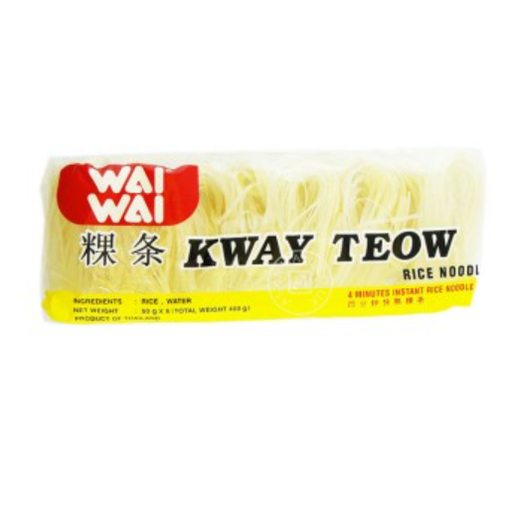
Why this fits the profile: A versatile pack for anyone wanting to try different Asian dishes without buying several types at once.
The product information lists rice grain and water as ingredients and gives a weight of 400 g, so you can clearly compare the basics.
400 g pack; suitable for various dishes; according to the product information, contains none of the 14 main EU allergens.
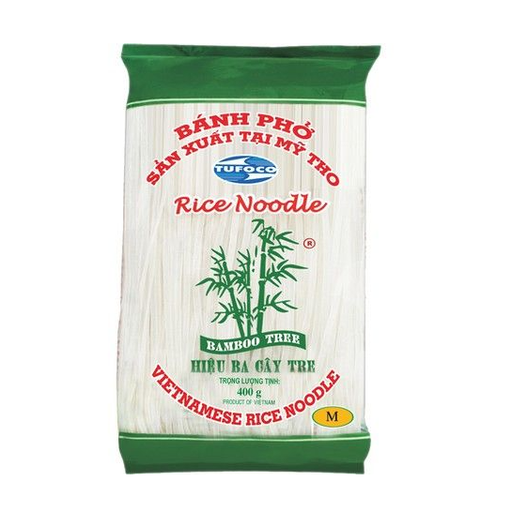
Why this fits the profile: The 3 mm size offers a clear middle ground for anyone who regularly stir-fries, makes soup or prepares Vietnamese dishes.
The thickness is explicitly stated. This means you don't have to rely solely on the dish name or brand description.
3 mm thick; 400 g pack; ingredients according to product information: rice, tapioca and water.
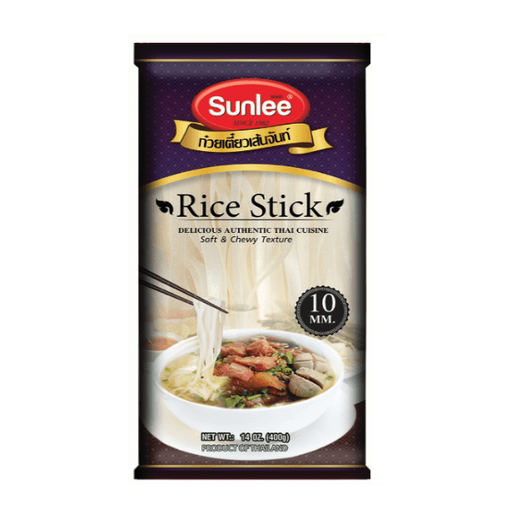
Why this fits the profile: The extra-wide 10 mm rice stick is designed for hearty dishes where the noodle should remain clearly present.
The size is specifically stated as 10 mm. This reduces the chance of picking a noodle that's too thin for pad thai or a rich stir-fry.
10 mm wide; 400 g pack; according to the product description, suitable for pad thai, stir-fries, soups and cold salads.
We've put together a full, up-to-date list of products that fully meet these strict selection criteria and current European safety regulations.
Use the instructions on the packaging as a guide. A general method:
Instant rice noodles are handy for the office, travel or a quick meal. With varieties that include broth, check the salt content and look out for allergens such as wheat, soya, fish or shellfish. That way, you choose not just on cooking time, but also on what's inside.
No. Pure rice noodles can be gluten-free, but sauces, seasoning mixes and instant broths may contain wheat. Always check the current ingredients and allergen list on the packaging.
Unopened dry rice noodles can usually be stored until the stated date. Keep them cool, dry and out of direct sunlight. Once opened, the packaging must be sealed properly and you should check the product for moisture or damage.
Choose instant rice noodles when you only want to use boiling water, a short soaking time or a microwave preparation. Check beforehand whether the flavour mix suits your diet and preferences. For more control over the ingredients, dry rice noodles with your own choice of vegetables, broth and sauce are a practical option.
