
Vandaag of morgen in huis

Kwaliteit gegarandeerd

Welkomstaanbiedingen ontgrendelen: GRATIS bezorging | Tot 80% korting | Gratis 30 dagen JoyPlus-proefperiode
Download de app
Anyone looking to buy rice noodles will soon notice a major difference between instant cups, dried rice sticks and fine rice vermicelli. The right choice depends on the dish, preparation time and ingredients you want to add. If you only consider flavour or attractive packaging, you may end up with noodles that become too soft, do not suit Pad Thai or unexpectedly contain allergens.
This buying guide helps you compare Asian rice noodles with specific requirements in mind. Here you will find practical points to consider for quick meals, Vietnamese recipes, Thai dishes and gluten-free pantry products.
Many dried rice noodles consist mainly of rice flour, water and sometimes tapioca. However, flavour sachets or additional ingredients may contain wheat, soya or other allergens. With instant noodles, it is therefore important to check the full ingredients list, not just the name on the front.
A product may be described as gluten-free in the product information, while a similar variant with a seasoning mix is not. Also always check the label on the packaging, as ingredients and warnings may change.
Instant rice noodles are usually ready after three to four minutes with boiling water. Dried rice sticks and rice vermicelli sometimes need to be soaked, boiled or rinsed. Preparing them for too long can make thin noodles sticky, while wider noodles need more time.
Therefore, check:
A 400-gram or 908-gram bag is useful if you cook regularly, but less practical when you only make a dish occasionally. Once opened, dried noodles should be kept properly sealed and dry, away from moisture. Instant variants in individual portions are often more convenient for the office, holidays or a quick meal, but usually contain a seasoning mix with a relatively high salt content.
For rice noodles for Pad Thai, wide, flat rice sticks are practical. Erawan Rice Stick 10 mm is intended for Pad Thai, stir-fries, soups and salads, among other dishes, according to the product description. For Vietnamese dishes such as bun, pho or bun bo Hue, finer Vietnamese rice noodles or rice vermicelli are a better fit.
Compare the proportion of rice, tapioca, potato starch or mung bean. Bamboo Tree Rice Vermicelli Bun Toui lists rice, tapioca, water and salt as ingredients and is described as gluten-free in the product information. Wai Wai Kway Teow lists rice and water as its main ingredients and, according to the available information, is free from the 14 major EU allergens.
Pay extra attention to seasonings in instant noodles. Acecook Instant Rice Noodles Chicken Bowl lists gluten and soya, among other ingredients. Other variants may contain milk, egg, shellfish or fish. In the case of a food allergy or intolerance, the current packaging is decisive.
A 60- to 92-gram portion is usually intended as one quick meal, but the amount of vegetables and protein you add determines how filling the dish becomes. Instant variants often contain a separate soup base. For example, the supplied product information states that Acecook Beef contains 5.64 grams of salt per 100 grams and Jub Jub Tom Yum contains 6.6 grams of salt per 100 grams.
This does not mean that you should exclude a product, but you should look at the full nutritional value per portion. For example, add fresh vegetables, egg, tofu, chicken or beef to an instant product and, if necessary, do not use the entire seasoning mix.
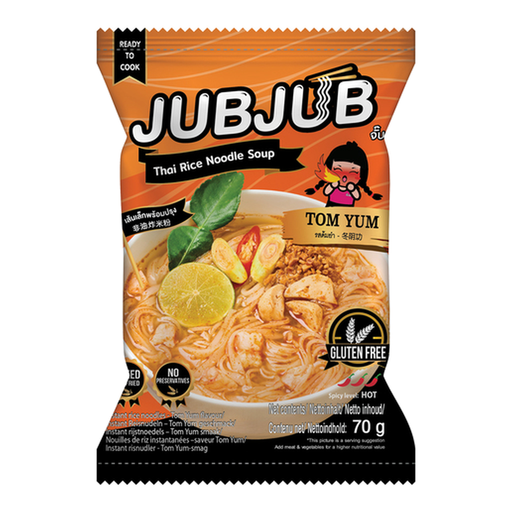
Why This Fits Their Persona: A single portion for anyone who wants a quick introduction to Tom Yum noodles without buying a large supply.
The preparation instructions specify 400 ml of boiling water and approximately three minutes. Do check the stated amount of seasoning and the current allergen information.
70 g per portion; rice noodles with lemongrass, lime, chilli and galangal according to the product description; described as gluten-free.
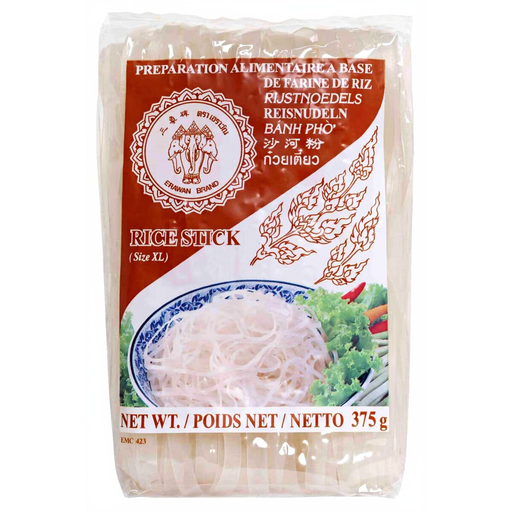
Why This Fits Their Persona: For home cooks who want to combine their own sauce, vegetables and protein in Pad Thai or a stir-fry.
The 10 mm width is clearly stated, so you do not have to rely solely on a general name such as “rice noodles”.
375 g pack; ingredients according to the product information: rice flour and water; suitable for multiple preparations.
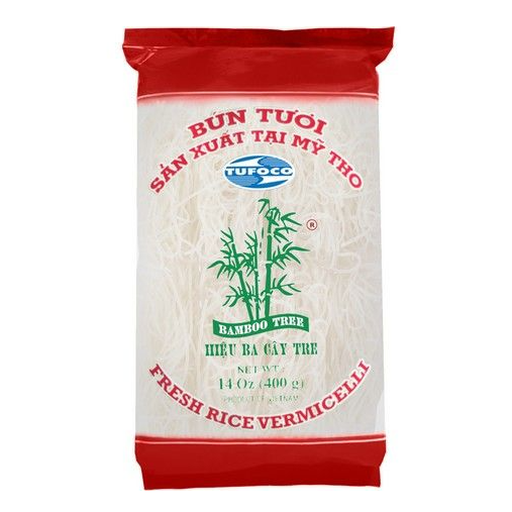
Why This Fits Their Persona: For families and lovers of Vietnamese rice noodles who regularly prepare bun, bun cha or bun bo Hue.
The instructions specify soaking in boiling water for three to five minutes, followed by draining and rinsing. This makes the preparation easy to control.
400 g pack; thick rice vermicelli; product information lists rice and tapioca and none of the 14 major EU allergens.
For a pantry supply, Bamboo Tree Rice Vermicelli Bun Toui 400 g, Sunlee Rice Stick Vietnamese Bun Tuoi 454 g and Sunlee Rice Vermicelli Vietnamese Style 908 g are suitable for comparison. If you are mainly looking for a quick meal, you can consider Acecook Beef, Acecook Chicken Bowl or Vifon Hu Tieu Nam Vang in larger packs.
Do note the differences:
View a current selection of products and compare size, ingredients, preparation and use for your next Asian meal.
No. Dried noodles containing only rice, water and starch may be gluten-free, but flavour sachets and sauces may contain wheat. Always check the full ingredients list and allergen information on the packaging.
Follow the stated time and do not automatically use the same method for every type. Thin rice vermicelli is often soaked and then rinsed. Instant rice noodles usually need three to four minutes. Drain them immediately once they have reached the desired texture.
Wide rice sticks, such as a variant of approximately 10 mm, are practical for Pad Thai. They hold their shape better in the wok than very thin vermicelli. Add the sauce only when the noodles are cooked but still firm, so they are less likely to break.
