
Vandaag of morgen in huis

Kwaliteit gegarandeerd

Welkomstaanbiedingen ontgrendelen: GRATIS bezorging | Tot 80% korting | Gratis 30 dagen JoyPlus-proefperiode
Download de app
At first glance, rice noodles seem simple: you buy a bag, cook the noodles and add them to your dish. Yet the wrong thickness can leave you with sticky strands, a limp texture or noodles that fall apart in the pan. Especially with Thai and Vietnamese recipes, small differences in width, composition and preparation method make a big difference.
When buying rice noodles, don't just rely on the picture or words like "authentic". Instead, pay close attention to the thickness, ingredients, packaging and the intended dish.
Rice vermicelli, around 1 mm thick, is fine and light. This type works well in Vietnamese noodle bowls, fresh spring rolls and light soups. For Pad Thai, wider rice sticks are usually more practical because they hold sauces better and are less likely to break when tossing.
A 10 mm rice noodle has a completely different texture to a 1 mm rice noodle. Yet both are sometimes sold under the same general name.
Many rice noodles are made from rice flour, rice and water. Some varieties also contain tapioca, which can affect the texture. A product description may state that a product contains none of the 14 major EU allergens, but if you have an allergy, always check the label and the current information on the packaging yourself.
Also look out for possible cross-contamination and usage advice. The packaging is what counts.
Thin noodles can soften quickly. When soaking in hot water, a difference of just a few minutes is noticeable. Some rice sticks need to be boiled, while others should be soaked first and then finished off in the wok.
Always follow the manufacturer's preparation instructions. Rinsing with cold water can help stop the cooking process, but it isn't necessary for every application.
Thickness is a practical starting point:
The terms rice sticks, Thai rice noodles, Vietnamese rice noodles and rice vermicelli are not always used consistently. So always look at the millimetre measurement and not just the product name.
Before you buy, compare the following points:
Nutritional values vary by product. Check the label if you are watching your energy, carbohydrate, fat, salt or protein intake.
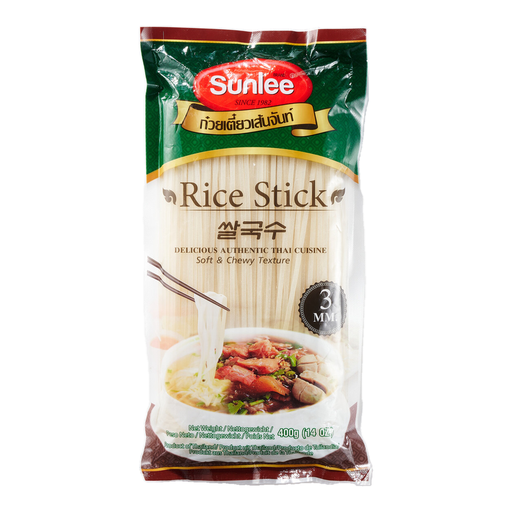
Why this fits the profile: The 3 mm size is versatile for anyone wanting to try different Asian dishes without buying multiple types of noodles. According to the product description, the noodles take around 3 to 4 minutes to cook.
The clear 3 mm specification prevents you from buying a very fine vermicelli for a dish where wider rice sticks would be more suitable. Check the current preparation instructions on the label.
400 g pack; suitable for Pad Thai, stir-fries, soups and fresh spring rolls according to the product description.
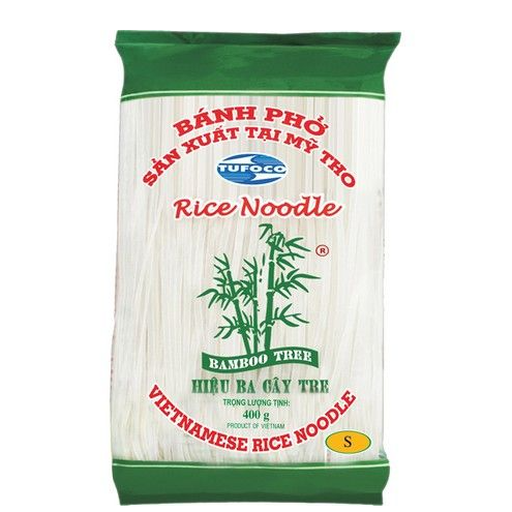
Why this fits the profile: These fine Vietnamese rice noodles are designed for dishes where a light texture is desired, such as noodle soup, Bun dishes and fresh spring rolls.
The thickness is clearly stated as 1 mm. This allows you to distinguish this variety from wide Pad Thai noodles. The composition lists rice, tapioca and water.
400 g pack; sourced from Vietnam according to the product information; described as free from the 14 major EU allergens.
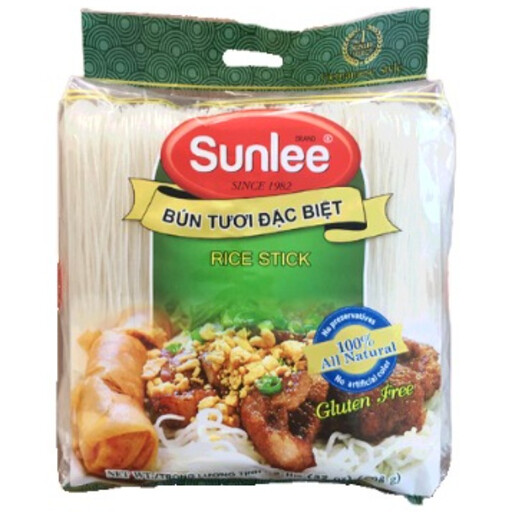
Why this fits the profile: The large pack is practical for fans of Vietnamese Bun dishes who regularly cook for several people.
The product information explicitly states the 1.2 mm size and the 908 g weight. This lets you see upfront that it is a fine Bun Tuoi variety and not a wide rice stick.
908 g pack; rice as an ingredient; suitable for Vietnamese noodle bowls and other Asian dishes according to the product information.
We have compiled a full, up-to-date list of products that fully meet these strict selection criteria and current European safety regulations.
Many rice noodles are made from rice, rice flour, tapioca and water, and according to the product information contain none of the 14 major EU allergens. That doesn't mean you can skip the label. Check the ingredients, allergen declaration and any warning about traces before using the product.
Use plenty of water, stick to the preparation time on the packaging and stir gently. Rinse the noodles after cooking if the recipe allows. Add them to the wok at the right moment; overheating can make the texture soft.
For Pad Thai, rice sticks of around 3 to 5 mm are commonly used. If you prefer a firmer, wider noodle, you could consider a 10 mm variety. Also check that the preparation method is suitable for wok cooking, as not every noodle needs to be boiled for the same length of time.
