
Vandaag of morgen in huis

Kwaliteit gegarandeerd

Welkomstaanbiedingen ontgrendelen: GRATIS bezorging | Tot 80% korting | Gratis 30 dagen JoyPlus-proefperiode
Download de app
Rice noodles are handy for a quick pad thai, a bowl of pho, a fresh salad or a stir-fry. However, one type isn't simply interchangeable with another. A noodle that's too thin can turn soft in a hot broth, while a wide rice noodle just doesn't work well in a light salad.
So when you're buying rice noodles, you shouldn't just focus on the brand or packaging. It's the thickness, ingredients and preparation method that really determine whether the end result is a success.
Packaging often shows measurements like 1 mm, 3 mm, 5 mm or 10 mm. This difference affects the bite and cooking time. Thin rice noodles are suitable for soups, salads and spring rolls. Wide rice noodles hold more sauce and are often a better fit for pad thai and hearty stir-fries.
Many rice noodles are made from rice, tapioca and water, and according to the product information, they are free from the 14 main EU allergens. This applies, for example, to several Bamboo Tree and Erawan varieties. Still, always check the current packaging. Recipes, production locations and allergen information can change.
Pay extra attention to products with flavourings or instant seasonings. Jub Jub Instant Rice Noodles Tom Yum contain soya in the seasoning, among other ingredients. Also, for products where the online information isn't fully consistent, the label is the deciding factor.
Some rice noodles are first soaked and then briefly blanched. Other types can be boiled directly for a few minutes. Overheating makes the noodles sticky or brittle. So follow the instructions on the packaging and rinse the noodles after cooking if recommended.
Use this practical guide as a starting point:
The terms Vietnamese rice noodles, Thai rice noodles and rice sticks partly refer to culinary style and shape. So always check the diameter and ingredients, rather than relying solely on the name of the origin.
A short ingredients list is clear, but it doesn't automatically tell you everything about the preparation method or possible cross-contamination. The range includes varieties with:
If you're looking for gluten-free noodles, you must check the allergen declaration on the packaging. A product description may state that a product is gluten-free, but the current packaging remains the definitive source.
A pack of 340 to 400 grams is practical for several portions or a family meal. For larger households or meal prepping, packs of 454, 500 or 908 grams are worth considering. After opening, store in a dry, cool place and seal the packaging well. Moisture can damage dried noodles.
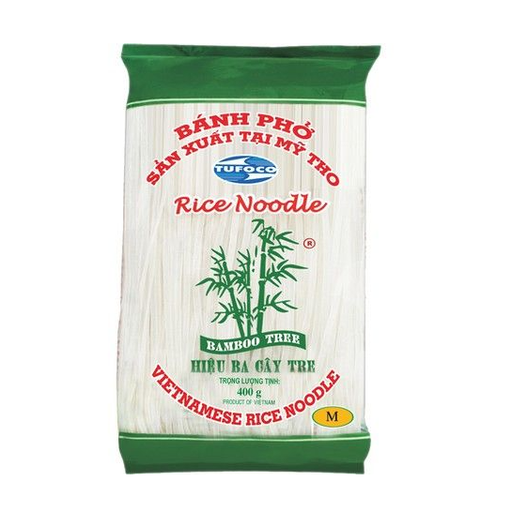
Why this fits the profile: The medium thickness is useful in various dishes, so you don't need to buy several types straight away.
The diameter is clearly stated. This means you won't buy fine vermicelli when you're actually looking for rice sticks for a stir-fry.
400 g pack; according to the product information, made from 72% rice with tapioca and water.
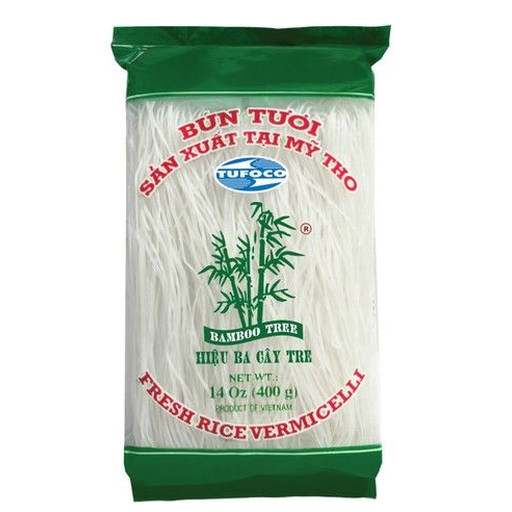
Why this fits the profile: This Vietnamese rice vermicelli is ideal for light meals, bun dishes, salads and fresh spring rolls.
The product information mentions the gluten-free composition and the ingredients: rice, tapioca, water and salt. Check this on the label before purchasing.
400 g pack; suitable for soups, salads, stir-fries and spring rolls according to the product description.
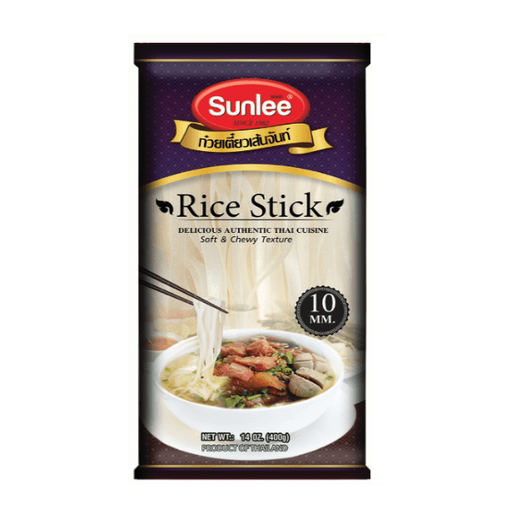
Why this fits the profile: The wide 10 mm shape is designed for hearty dishes with sauce, such as pad thai, stir-fries and some soups.
The noticeable width makes it clear that this isn't vermicelli for a light salad. This way, you can match the shape and dish in advance.
400 g pack; according to the product description, made from rice and naturally gluten-free.
We've put together a full, up-to-date list of products that fully meet these strict selection criteria and comply with current European safety regulations.
When cooking dried rice noodles, use plenty of water and avoid leaving them in the pan for long after draining. Here's a practical method:
For noodles used in pho, timing is crucial: prepare the noodles separately and add them to the broth just before serving. For pad thai, it's best to choose a variety around 3 to 10 mm, depending on the bite you prefer.
No, not automatically. Many varieties contain only rice, water and sometimes tapioca, and are offered as gluten-free. Always check the current ingredients list and allergen information. Instant varieties with herbs or sauce in particular may contain soya or other allergens.
For pad thai, 3 mm to 10 mm wide rice sticks are usually used. A 3 mm variety is versatile; a 10 mm variety gives a wider, firmer bite. Also look at the preparation instructions, because soaking for too long can make the noodles soft.
Unopened dried rice noodles are generally edible until the date on the packaging. Store them in a dry, cool place away from direct sunlight. After opening, the packaging must be sealed properly. Before use, check the smell, colour and texture, and always follow the information on the label.
