
Vandaag of morgen in huis

Kwaliteit gegarandeerd

Welkomstaanbiedingen ontgrendelen: GRATIS bezorging | Tot 80% korting | Gratis 30 dagen JoyPlus-proefperiode
Download de app
Rice may seem like a simple product, but there are major differences between white rice, ready-to-eat rice and Asian rice products. The right choice depends on your dish, the time you have available, portion size and dietary requirements. If you only consider the packaging or price, you could end up with rice that is too dry, too sticky or unsuitable for the recipe you had planned.
This buying guide explains which features matter and which rice products are suitable for different households in the Netherlands.
Not all ready-to-eat rice can be eaten straight away. Some varieties only need to go in the microwave, while other products still need to be heated in a pan or briefly stir-fried. Always check the preparation method and the actual cooking time.
For example, a microwave rice product may be ready within a few minutes, while pre-cooked rice that needs to be reheated in a pan requires slightly more preparation.
Long, dry grains work well as a general base for nasi or a meal with sauce. For sushi, onigiri or kimbap, you need rice that holds together better after cooking. Paella rice and risotto rice have different properties and preparation methods again.
A bag of rice labelled “sushi” is therefore not automatically suitable as plain white rice for every dish. Check the grain type and recommended uses.
Rice itself often has a simple composition, but prepared rice meals may contain soya, milk, egg, fish, mustard, gluten or prawns, among other ingredients. Rice snacks are not always made exclusively from rice either. Read the ingredients list and allergen information on the current packaging, especially for imported products.
Product information can change. The packaging of the product you receive should therefore be treated as definitive.
The terms on the packaging provide an initial indication, but also check the preparation instructions.
For a busy household, cooking time may be more important than the price per kilo. Look out for:
Also check the net weight. A 210-gram pack is very different from a 5-kilo bag. For larger packs, it is best to calculate the price per 100 grams.
Check the energy, carbohydrates, fat, protein and salt content per 100 grams. The nutritional values of a complete rice meal or seasoned rice can differ considerably from those of plain rice.
Examples from the range:
“Plant-based” or “vegan” only applies to the specific product and its current composition. Always check the label.
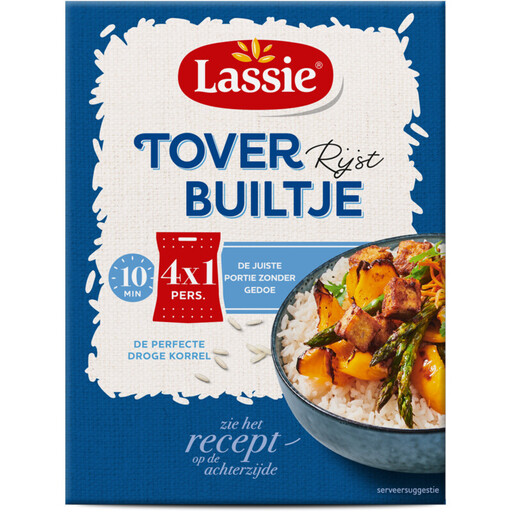
Why it suits this profile: This pre-cooked white rice is intended as a general base and comes in four single-person portions. According to the product information, the rice is ready in 10 minutes.
The portion sizes and cooking time are clearly stated, so you are less likely to buy too much or underestimate the preparation required.
300 grams, four portions, white parboiled rice and, according to the product information, naturally gluten-free.
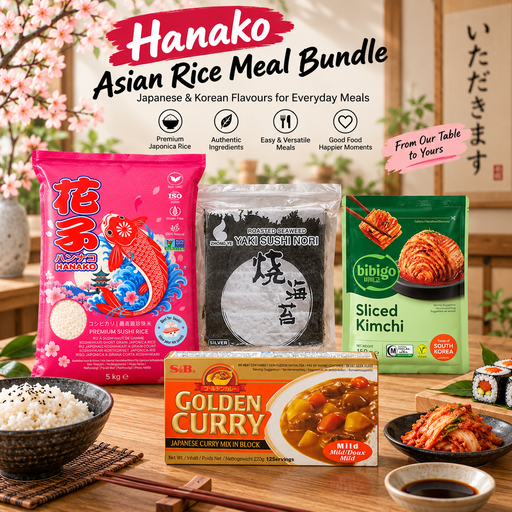
Why it suits this profile: The bundle contains Hanako Premium Sushi Rice Koshihikari in a 5-kilo pack. According to the product description, the short Japonica grain is intended for sushi, onigiri, rice bowls and other Asian dishes.
The type of rice and its intended uses are clearly described. This means you will not end up buying loose long-grain rice for a dish where the grains need to hold together.
5-kilo pack, 100% Japonica rice and preparation instructions covering rinsing, cooking for approximately 10 to 12 minutes and resting.
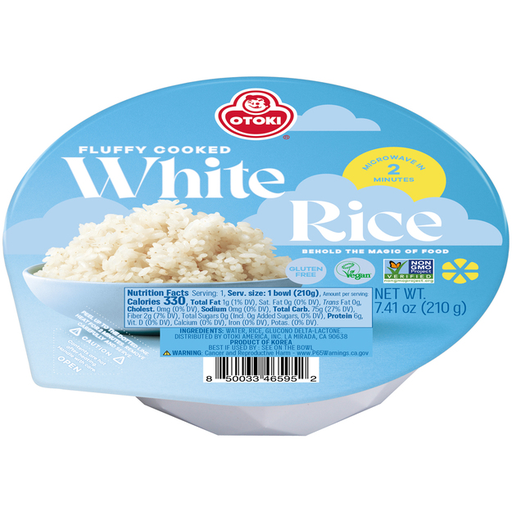
Why it suits this profile: This 210-gram rice cup is designed as an individual portion. According to the usage information, the cup can be heated in the microwave or in boiling water.
The preparation options and portion size are clearly stated. You do not need to open a large bag when you only want one rice meal.
210 grams per cup, microwave preparation on a high setting for 2 minutes according to the product information, and described as vegan and gluten-free.
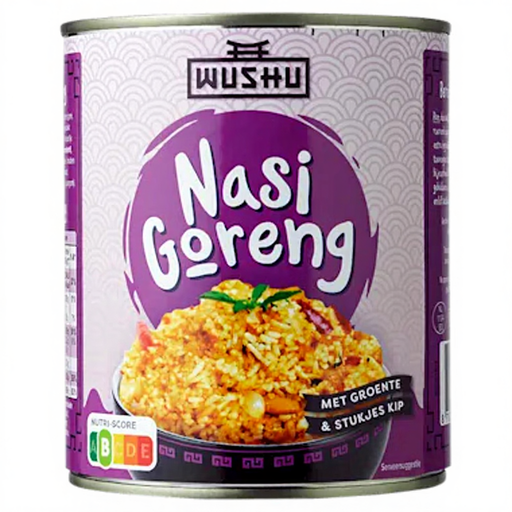
Why it suits this profile: According to the product information, this ready-to-eat nasi contains 47% rice, vegetables and diced ham. The product is intended to be heated for a quick meal.
The ingredients list specifies the rice, vegetables, ham and soya separately. This allows you to check in advance whether the meal suits your dietary requirements.
700-gram pack, vegetables in the recipe and a salt content of 1.58 grams per 100 grams according to the product details.
We have put together a complete, up-to-date list of products that fully meet these strict selection criteria and the applicable European safety regulations.
For one person, a rice cup or microwave rice is practical. OTTOGI Cooked Rice Cup contains 210 grams and, according to the instructions, can be heated in the microwave in approximately 2 minutes. For several people, a bag of pre-cooked rice or a larger pack is often more convenient.
Store unopened rice according to the instructions on the packaging, usually in a cool, dry place away from direct sunlight. Once opened, the packaging should be sealed securely. For frozen products such as onigiri, keep them frozen and do not refreeze them after defrosting. Always check the best-before information on the product itself.
Ready-to-eat rice has already been pre-cooked or steamed and mainly needs reheating. Ordinary rice still needs to be rinsed, cooked and left to rest. Ordinary rice gives you more control over the texture and quantity, while ready-to-eat rice mainly saves time and washing up.
