
Vandaag of morgen in huis

Kwaliteit gegarandeerd

Welkomstaanbiedingen ontgrendelen: GRATIS bezorging | Tot 80% korting | Gratis 30 dagen JoyPlus-proefperiode
Download de app
Buying rice might seem straightforward – until you have to choose between jasmine rice, basmati rice, sushi rice, sticky rice or a wholegrain variety. The packaging also makes a difference: a 1 kg bag of rice is handy for trying something new, while 5 kg or 18 kg of rice is better suited to large families, meal prep or professional use.
Pay particular attention to three common pitfalls:
The grain largely determines how the rice behaves after cooking.
Origin can help when comparing, but on its own it doesn’t guarantee a particular cooking experience. Thai rice, Cambodian rice and Vietnamese rice can vary by brand and harvest.
Always check the following:
Claims about aroma, texture or quality are product features as described by the brand. So treat them as an expectation and check the cooking instructions before you order.
A 1 kg bag of rice is practical for a smaller household, trying a new variety or cooking different types. A 4.5 or 5 kg bag is better suited to families who eat rice several times a week. For catering, large households or fixed menus, 18 kg of rice can be more efficient – but only if you have enough dry storage space.
Store rice in a cool, dry place away from direct sunlight. Seal the packaging well after opening, ideally in a sturdy storage container. Do not use any packaging that is damaged. For products with a different cooking method, such as red rice or sushi rice, follow the instructions on the label.
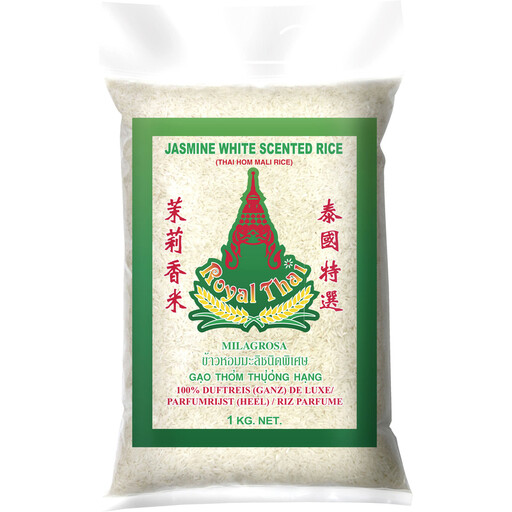
Why this fits the profile: The 1 kg pack is manageable for anyone who wants to try jasmine rice first without needing a large stock straight away.
The product information clearly states the rice type, origin (Thailand) and net weight, so you’re not relying solely on a marketing name.
Long grain, described as giving a soft and fluffy result, and suitable for Thai and other Asian dishes.
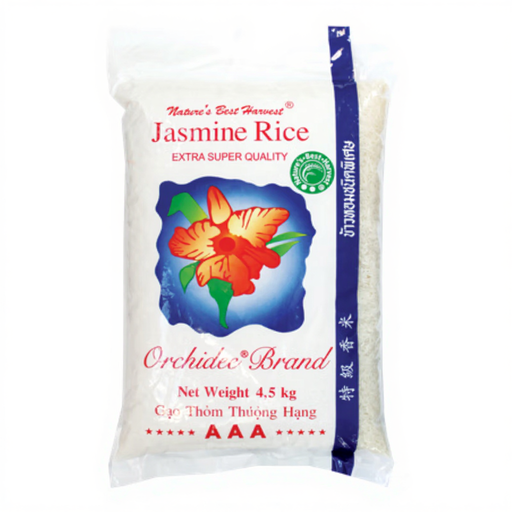
Why this fits the profile: This Cambodian jasmine rice combines a larger stock with clear origin and type information.
The description states 100% Cambodian long-grain rice with no additives or preservatives; check this on the physical packaging too.
4.5 kg, long grain and described as giving a soft and fluffy result for curries, stir-fries and rice bowls.
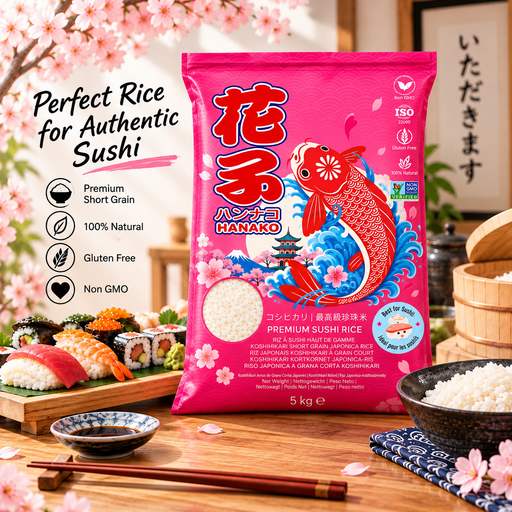
Why this fits the profile: The short Japonica grain is designed for sushi, onigiri, donburi and Japanese rice dishes, with 5 kg for regular use.
The product information specifies the grain type and gives a rice-to-water ratio and resting time. This makes it clearer than a general label like “Asian rice”.
5 kg, short grain, described as having a soft and slightly sticky texture, and originating from Vietnam.
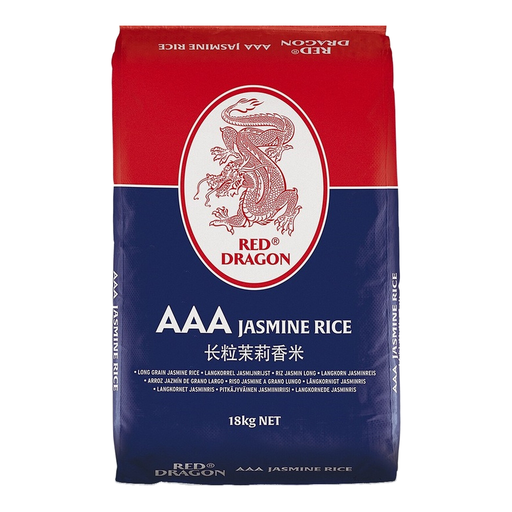
Why this fits the profile: The large pack is aimed at intensive use in a restaurant, catering environment or household with many rice-based meals.
The type, long grain and Cambodian origin are stated. This helps with comparison against Thai rice and stops you from choosing based solely on the bag size.
18 kg, long grain and intended for boiled and fried dishes according to the product description.
We’ve put together a full, up-to-date list of products that fully meet these strict selection criteria and comply with current European safety regulations.
For curries, stir-fries and many other Thai meals, jasmine rice, pandan rice or Thai Hom Mali rice is often chosen. According to product descriptions, these types generally become soft and aromatic. Check the exact cooking instructions and the stated origin.
As a guide, allow around 75 to 100 grams of uncooked rice per adult for a main meal. For a side dish, you’ll usually need less. A 1 kg pack is therefore suitable for cooking regularly without building up a large stock straight away. If you use rice daily, you might consider a 5 kg pack.
Keep the bag in a dry, cool place, away from moisture, heat and direct sunlight. After opening, an airtight storage container is practical. Check the best-before date with every purchase and follow the information on the packaging. This way, even 18 kg of rice stays usable without the bag being left open for too long.
